
What's Happening?
WWE SummerSlam 2002, held on August 25, 2002, at the Nassau Coliseum, is being revisited and widely regarded by many as one of the greatest SummerSlam events ever. The event featured a stacked card with
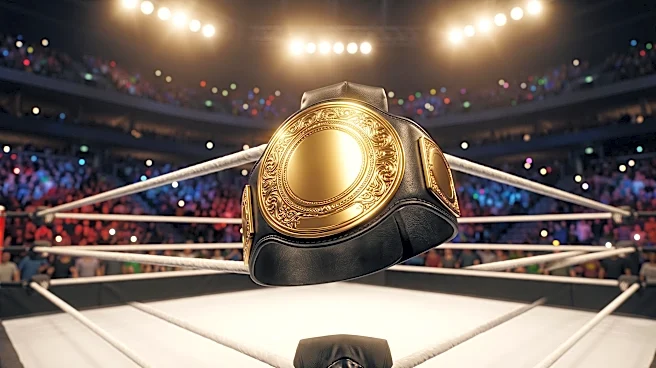
several highly-rated matches, including the opener between Kurt Angle and Rey Mysterio, which received a rating of three and three-quarter stars, and the penultimate Unsanctioned Street Fight between Shawn Michaels and Triple H, rated four and one-quarter stars. The main event saw Brock Lesnar defeat The Rock for the WWE Undisputed Title, a match that garnered three and three-quarter stars. Other notable matches included Ric Flair vs. Chris Jericho, Edge vs. Eddie Guerrero, and Rob Van Dam winning the Intercontinental Championship from Chris Benoit. The event was praised for its strong booking, long-term planning, and successful anointing of Brock Lesnar as a new superstar, leading to significantly higher pay-per-view numbers.
Why It's Important?
The retrospective recognition of WWE SummerSlam 2002 as a landmark event is significant for understanding the historical impact and strategic booking decisions within the U.S. professional wrestling industry. This event showcased how effective storytelling and the strategic elevation of new talent, like Brock Lesnar, can drive substantial commercial success and critical acclaim. The high quality of matches, as reflected in the star ratings, demonstrates a period of strong in-ring performance and creative direction that resonated deeply with fans. For WWE, this event serves as a benchmark for successful pay-per-view production, highlighting the importance of a diverse card that balances veteran talent with emerging stars. It also illustrates how a well-executed main event, even with a predictable outcome, can still generate immense interest and solidify a new top-tier performer, influencing future booking strategies and talent development within the company.
What's Next?
While SummerSlam 2002 is a past event, its continued recognition influences contemporary discussions about what constitutes a 'great' wrestling show. This historical perspective can inform current WWE creative decisions, encouraging a focus on long-term character development, compelling storylines, and high-quality in-ring action to replicate past successes. The event's legacy also impacts how new talent is introduced and elevated, with promotions often looking for their 'next Brock Lesnar' moment. For fans, revisiting such events helps maintain a connection to wrestling history and provides a standard against which current programming is often measured. The ongoing analysis of past events like SummerSlam 2002 contributes to the critical discourse within the wrestling community, shaping expectations and appreciation for the sport's evolution.
Beyond the Headlines
The enduring appeal of SummerSlam 2002 speaks to the power of narrative and character development in professional wrestling. The event wasn't just a collection of matches; it was a culmination of storylines and the beginning of new eras for several key performers. The successful transition of The Rock, a major star, to Hollywood, while simultaneously elevating Brock Lesnar, demonstrated a rare ability to manage talent evolution without losing audience engagement. This event also highlights the cyclical nature of wrestling, where past successes are often studied and emulated. The critical and commercial triumph of SummerSlam 2002 underscores that even in a rapidly changing entertainment landscape, fundamental principles of compelling storytelling and athletic performance remain paramount for captivating audiences and ensuring the longevity of a wrestling promotion.