




What's Happening?
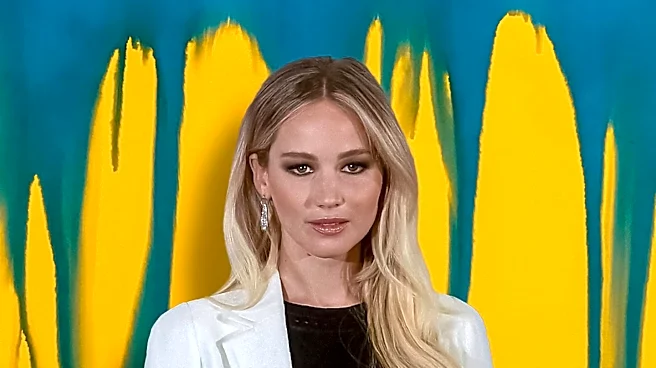
Olivia Jade Giannulli, an American influencer, beauty creator, and entrepreneur, has reportedly leveraged her past involvement in a college admissions scandal into a successful personal brand and beauty business. The narrative surrounding Giannulli focuses
on her appearance and lifestyle, with her experience now being framed as a foundation for her own beauty brand. This development highlights a trend where individuals involved in public controversies, particularly those related to privileged access to education, redirect their careers towards personal branding and entrepreneurial ventures. The original scandal involved allegations that her parents paid for her admission to college, leading to significant public discussion and media scrutiny in the U.S. The current focus is on her ability to attract attention through her feminine and alluring style, transforming a negative public event into a platform for business growth.
Why It's Important?
This situation is important as it illustrates the evolving landscape of public perception and career rehabilitation in the digital age, particularly within the U.S. influencer economy. It demonstrates how individuals, even after being embroiled in high-profile scandals, can re-establish and even enhance their public profiles and business ventures. For the beauty and lifestyle industries, it underscores the power of personal branding and the ability of influencers to monetize their life experiences, regardless of their controversial nature. This trend can influence how public figures manage crises and how consumers perceive authenticity and accountability. It also raises questions about the long-term consequences of such scandals and the pathways available for individuals to rebuild their careers, often by directly addressing or re-framing their past controversies as part of their brand narrative. The case reflects broader societal discussions in the U.S. regarding privilege, education, and the impact of media on individual careers.
What's Next?
Moving forward, Olivia Jade Giannulli is likely to continue expanding her beauty brand and influencer presence, capitalizing on her established platform and public recognition. The strategy appears to involve integrating her past experiences into her brand story, potentially attracting an audience interested in her journey of overcoming public scrutiny. This approach could lead to further product launches, collaborations, and increased engagement with her followers. The ongoing public discourse around 'paid admissions' scandals in the U.S. suggests that her story will remain relevant in discussions about educational equity and the influence of wealth. Her continued success could also inspire other public figures to adopt similar strategies for career redirection following controversies, further blurring the lines between personal life, public image, and commercial enterprise. The focus will likely remain on her lifestyle and beauty content, with the underlying narrative of her past experiences serving as a unique selling proposition.
Beyond the Headlines
Beyond the immediate business success, this case touches upon deeper societal implications concerning accountability, privilege, and the nature of celebrity in the U.S. It highlights how public figures can navigate and even benefit from controversies, raising questions about the effectiveness of public shaming and the mechanisms of redemption in contemporary culture. The transformation of a scandal into a branding opportunity suggests a shift in how society processes and reacts to public missteps, particularly when individuals possess significant social capital. Ethically, it prompts reflection on whether such a trajectory undermines the principles of meritocracy and fair play, especially in the context of educational access. Culturally, it reinforces the idea that personal narratives, even those involving significant challenges, can be commodified and leveraged for commercial gain, influencing how younger generations perceive success and public image management. This phenomenon also underscores the power of social media and personal branding in shaping public perception and career paths, often independently of traditional gatekeepers.