





What's Happening?
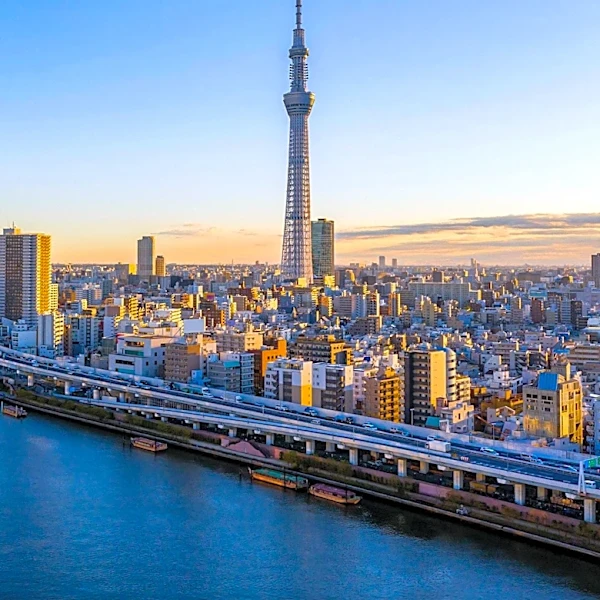
Tokyo presents a blend of futuristic innovation and centuries-old traditions, offering a wide array of experiences for visitors. Among the notable attractions are unique culinary experiences, such as the popular souffle pancakes at Bam Bi Coffee in Shinjuku,
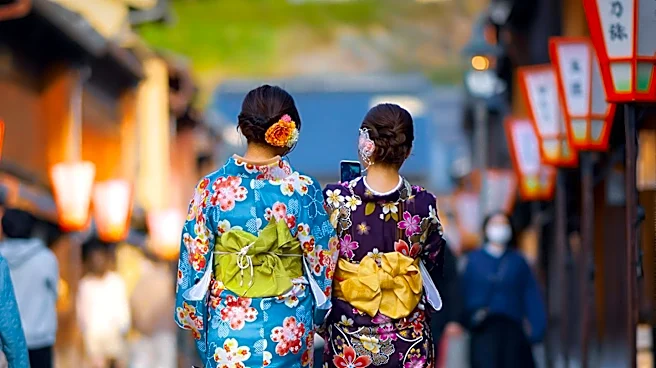
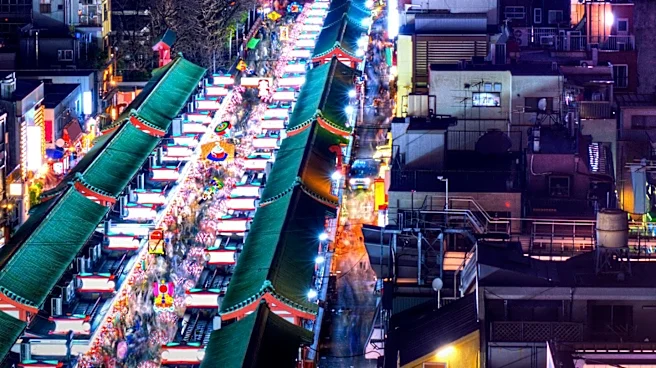
which offers seasonal flavors like pistachio and mango. The city also provides opportunities to engage with traditional Japanese culture, including kimono rentals near the Senso-ji Shrine, allowing tourists to wear traditional garments while exploring historical sites. Senso-ji Shrine itself, Tokyo's oldest temple, is a significant cultural landmark, featuring a bustling market leading up to its tranquil courtyard where visitors can participate in traditional practices like wafting incense smoke for purification and drawing fortunes. For entertainment, Tokyo offers 'Fast and Furious Tokyo Drift' inspired car tours, which take participants through iconic locations like Toyosu Pit and Shibuya Crossing in replica movie cars. Additionally, Tokyo is home to Disney parks, including Tokyo Disney and DisneySea, which provide a distinct experience compared to their U.S. counterparts, with DisneySea catering to a slightly older audience with thrill rides and unique attractions like Rapunzel's Lantern Festival.
Why It's Important?
The diverse offerings in Tokyo highlight the city's appeal as a global tourist destination, attracting visitors interested in both modern entertainment and deep cultural immersion. The popularity of unique food experiences, like the specialized pancakes, showcases Tokyo's vibrant culinary scene and its ability to innovate within traditional food categories. The availability of cultural activities such as kimono rentals and visits to ancient shrines like Senso-ji allows tourists to engage directly with Japanese heritage, fostering cultural exchange and appreciation. The 'Fast and Furious' themed tours tap into global pop culture, drawing fans of the movie franchise and offering a unique way to experience the city's urban landscape. Furthermore, the success of Tokyo's Disney parks, particularly DisneySea's appeal to a broader demographic, underscores the city's capacity to adapt and enhance international entertainment brands to suit local tastes and preferences, contributing significantly to its tourism economy.
What's Next?
As Tokyo continues to evolve, it is likely to further develop its tourism infrastructure to accommodate the growing interest in its unique blend of tradition and modernity. This could include the introduction of new themed experiences, expansion of existing entertainment venues, and continued innovation in its culinary scene to attract a wider range of international visitors. Efforts to preserve and promote cultural heritage sites like Senso-ji Shrine will likely continue, potentially with enhanced visitor programs and educational initiatives. The city may also explore new ways to integrate popular culture phenomena, similar to the 'Fast and Furious' tours, to create novel tourist attractions. Additionally, with the ongoing global interest in Japanese culture, there could be an increase in demand for authentic cultural experiences, prompting more opportunities for visitors to engage with local customs and traditions.
Beyond the Headlines
Beyond the immediate tourist attractions, Tokyo's ability to seamlessly integrate ancient traditions with futuristic innovation reflects a broader cultural ethos of respect for heritage while embracing progress. The emphasis on pedestrian accessibility and the quality of public spaces, as noted in the source, contributes to a high quality of urban life and enhances the visitor experience. The detailed descriptions of food, fashion, and spiritual practices offer insights into the daily lives and values of Tokyo residents, showcasing a society that values both aesthetic pleasure and spiritual well-being. The contrast between the bustling market at Senso-ji and the tranquility of the temple courtyard, for instance, illustrates a harmonious coexistence of commerce and contemplation. The adaptation of global brands like Disney to local preferences, as seen with DisneySea, also highlights Japan's unique approach to cultural assimilation, where foreign influences are often reinterpreted and integrated into a distinct Japanese context.