



What's Happening?
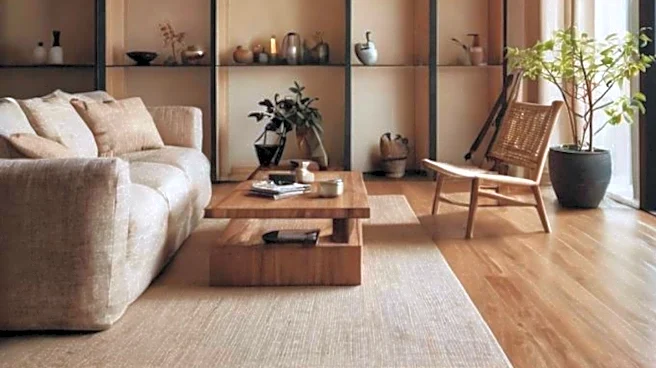
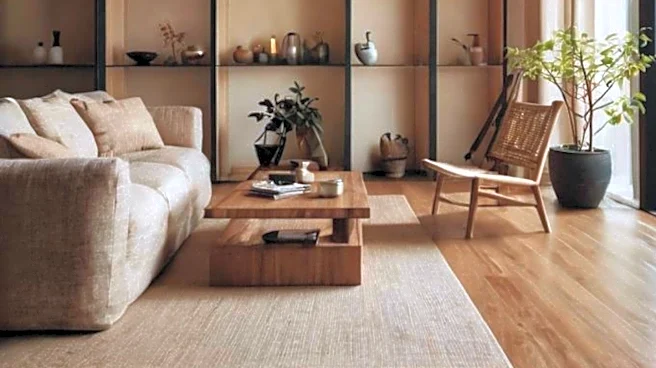
Japandi style, a fusion of Japanese and Scandinavian design principles, has gained prominence as a minimalist interior aesthetic. This design approach combines the Zen-inspired elegance and natural connection of Japanese design with the functionality,
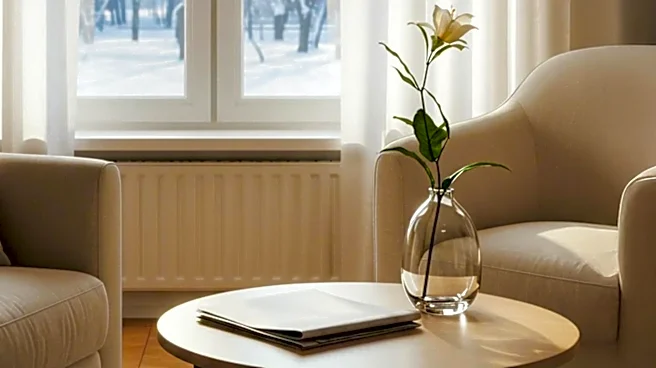
comfort, and light-focused aspects of Scandinavian aesthetics. The term 'Japandi' itself is a portmanteau of 'Japan' and 'Scandi' and became a design buzzword in the late 2010s. Key elements include minimalist furniture, natural wood tones, wabi-sabi ceramics, soft plaster walls, and a focus on natural light. The style emphasizes a calm composition, honest materials, and a deliberate avoidance of clutter and artificial finishes. It is seen as a response to a busy world, offering peace and quiet within the home environment. The integration of plants is crucial, with a preference for solitary, well-defined forms like fiddle leaf figs or olive trees, placed in neutral-colored pots to allow ample negative space.
Why It's Important?
The rise of Japandi style reflects a broader cultural shift towards minimalism, sustainability, and well-being in home environments. For U.S. consumers and the interior design industry, this trend signifies a demand for spaces that are not only aesthetically pleasing but also promote tranquility and a connection to nature. Businesses in furniture, home decor, and plant retail sectors are adapting to this demand by offering products that align with Japandi principles, such as natural materials, neutral palettes, and sculptural plant forms. The emphasis on functionality and durability also resonates with consumers seeking long-lasting, high-quality items. This design philosophy encourages a more mindful approach to consumption, prioritizing a few well-chosen items over excessive accumulation, which could influence manufacturing and retail strategies towards more sustainable and artisanal products.
What's Next?
As the Japandi aesthetic continues to gain traction, interior designers and retailers are likely to further integrate its principles into their offerings. Expect to see more furniture lines featuring clean lines, natural wood, and muted colors. The demand for specific houseplants that complement this style, such as fiddle leaf figs, olive trees, and ZZ plants, is also anticipated to grow. Educational content on how to achieve the Japandi look, including plant styling and material selection, will become more prevalent. Furthermore, the influence of Japandi may extend beyond residential interiors to commercial spaces, such as offices and hospitality venues, seeking to create calming and productive environments. The ongoing evolution of this style will likely see new interpretations while maintaining its core tenets of simplicity, functionality, and natural harmony.
Beyond the Headlines
The Japandi style's popularity highlights a deeper societal yearning for simplicity and calm in an increasingly complex world. Its roots in both Japanese wabi-sabi, which values imperfection and natural aging, and Scandinavian hygge, which emphasizes comfort and coziness, suggest a desire for authenticity and emotional well-being in living spaces. This trend challenges the fast-fashion approach to home decor, advocating for thoughtful curation and investment in timeless pieces. Ethically, the focus on natural and honest materials could encourage more sustainable sourcing and production practices within the design industry. Culturally, it represents a successful cross-pollination of design philosophies, demonstrating how diverse traditions can merge to create a universally appealing aesthetic that prioritizes human experience and connection to the natural world.