




What's Happening?
OpenAutoLink has developed a solution to restore wireless Android Auto functionality for Android Automotive OS (AAOS) head units, particularly in General Motors (GM) electric vehicles (EVs) that have removed native Apple CarPlay and Android Auto. The
software runs the full Android Auto protocol stack directly on the AAOS head unit, enabling wireless connectivity via WiFi, set up over Bluetooth or USB. This development is significant as Android Auto version 17.4 had previously broken wireless projection for many third-party implementations. OpenAutoLink now utilizes Google's own WiFi Projection Protocol (WPP) via Bluetooth handshake, the same method used by factory head units. A key feature is its first-of-its-kind EV integration, forwarding real EV battery percentage, range, fuel type, and charge port data from the car into Android Auto, allowing Google Maps to display battery levels alongside navigation. This addresses a major gap for EV owners who lost smartphone integration in newer GM models.
Why It's Important?
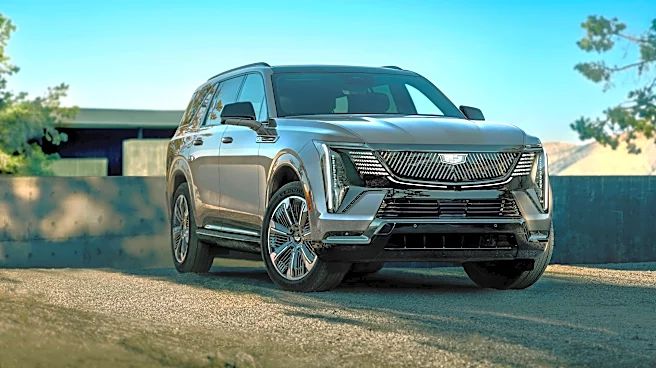
This development is crucial for U.S. consumers who own newer GM electric vehicles, such as the Chevrolet Blazer EV, Lyriq, and Hummer EV, which no longer support Apple CarPlay or Android Auto natively. The absence of these popular smartphone integration systems has been a point of contention for many buyers, limiting their access to familiar navigation, communication, and entertainment apps directly through their car's infotainment system. OpenAutoLink's solution restores this functionality, enhancing the user experience and potentially influencing consumer purchasing decisions for EVs. Furthermore, the integration of real-time EV battery data into Google Maps within Android Auto provides a significant convenience and range anxiety mitigation feature, allowing drivers to plan routes and charging stops more effectively. This could set a new standard for aftermarket and potentially OEM infotainment systems in EVs, emphasizing the importance of comprehensive data integration for electric vehicle ownership.
What's Next?
OpenAutoLink's continued development and adoption could lead to broader availability and refinement of wireless Android Auto for a wider range of AAOS-equipped vehicles, not just GM EVs. As more automakers adopt AAOS, solutions like OpenAutoLink may become essential for consumers seeking to retain their preferred smartphone integration. The project's open-source nature (hosted on GitHub) suggests potential for community contributions and further enhancements. Future updates may include improved display adaptation for various screen sizes, enhanced audio processing, and broader compatibility with different EV models and their specific data outputs. The success of OpenAutoLink might also pressure automakers to reconsider their strategies regarding smartphone integration, potentially leading to a reintroduction of CarPlay and Android Auto in future models or the development of more robust native alternatives that match the functionality offered by third-party solutions.
Beyond the Headlines
The emergence of solutions like OpenAutoLink highlights a growing tension between automakers' desire for proprietary infotainment systems and consumer demand for seamless smartphone integration. GM's decision to remove CarPlay and Android Auto from its EVs was met with significant user backlash, indicating a strong preference for established smartphone ecosystems. This situation underscores the power of consumer choice and the role of third-party developers in filling market gaps. Ethically, it raises questions about data ownership and access, as OpenAutoLink leverages vehicle data (like battery status) that automakers might prefer to keep within their proprietary systems. Legally, the development operates within the bounds of Android's open-source nature but could prompt discussions about API access and interoperability standards in the automotive industry. Culturally, it reflects a broader trend where users expect their digital lives to extend seamlessly into all aspects of their daily routines, including driving, pushing the automotive industry towards greater openness and interoperability.