




What's Happening?
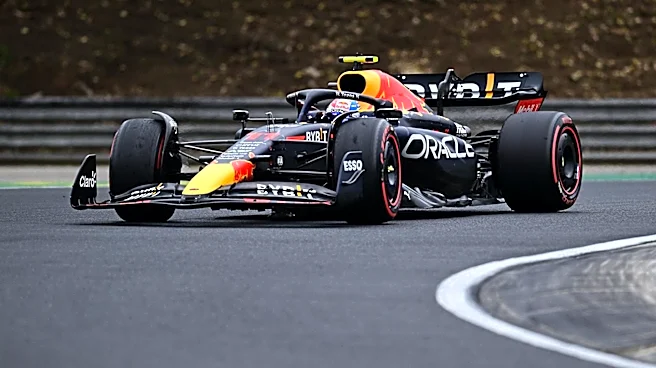
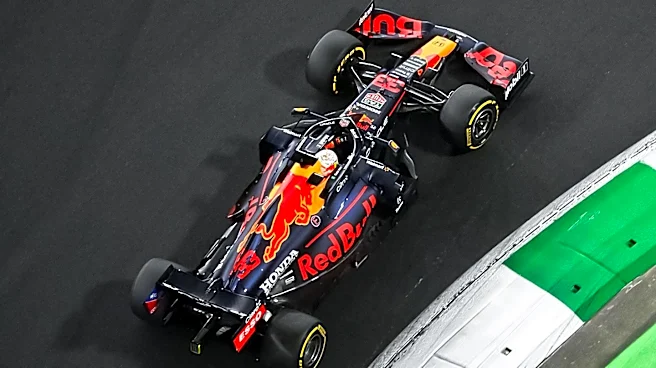
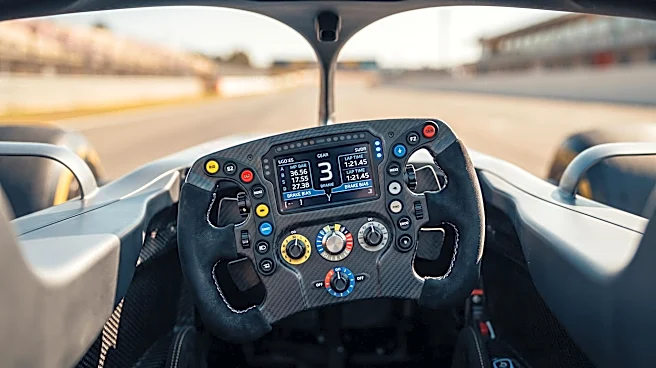
Red Bull driver Isack Hadjar has refuted the notion that modern Formula 1 machinery and simulator technology make it easier for rookie drivers to adapt to the championship. Hadjar, who completed his first full F1 season in 2025, was questioned about the theory
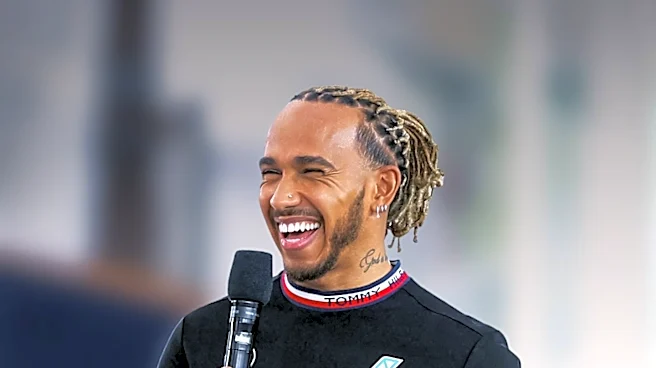
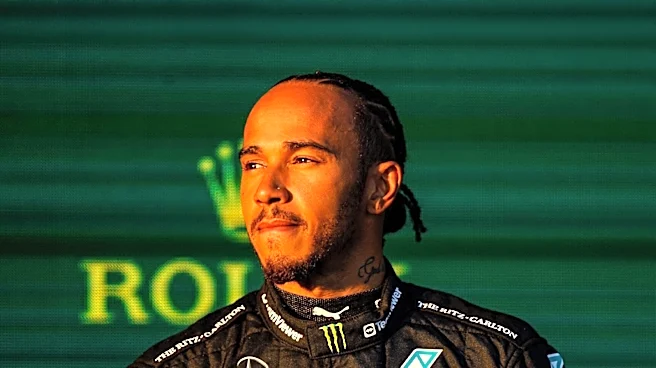
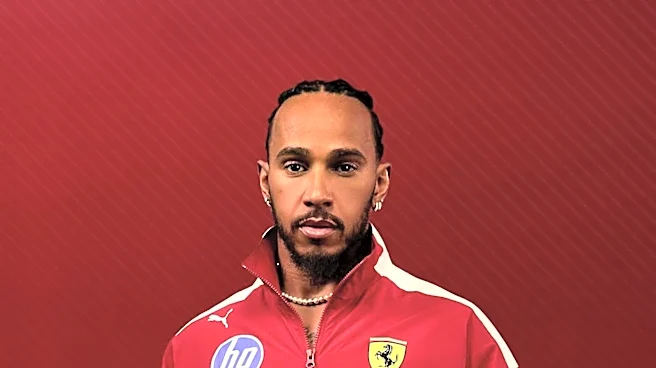
that current generations of drivers benefit from tools unavailable to their predecessors. He dismissed this premise, asserting that raw talent has always been the primary factor for quick adaptation, regardless of the era. Hadjar cited Fernando Alonso and Lewis Hamilton as examples of drivers who adapted immediately, demonstrating that rapid success is not exclusive to the current crop of drivers. He also mentioned Kimi Antonelli, who became an F1 drivers' champion in his second season, a feat matched by Hamilton in 2008 and Jacques Villeneuve in 1997. Hadjar firmly believes that inherent skill dictates a driver's ability to quickly adjust to the demands of Formula 1.
Why It's Important?
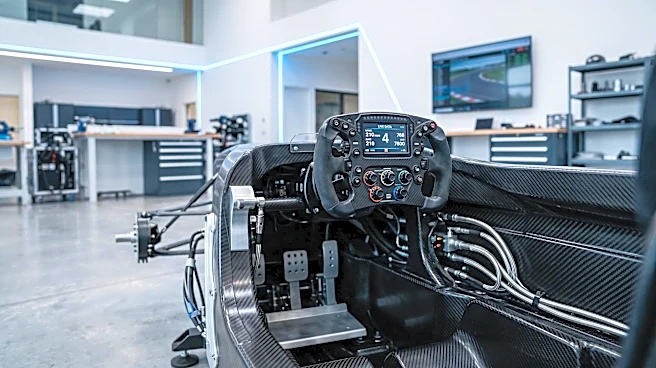
Isack Hadjar's comments challenge a prevalent narrative within Formula 1, suggesting that technological advancements might be overemphasized in discussions about driver performance. This perspective is significant because it reaffirms the enduring value of raw talent and innate skill in motorsports, rather than solely attributing success to technological aids. For aspiring drivers and racing academies, Hadjar's stance reinforces the importance of fundamental driving abilities and natural aptitude. It also provides a counter-argument to those who might downplay the achievements of current drivers by suggesting they have an easier path due to simulators and advanced car designs. This discussion impacts how talent is identified, nurtured, and perceived within the sport, emphasizing that while technology assists, it does not replace the core attributes of a champion driver. It also highlights the continuous debate about the role of human skill versus technological advantage in elite sports.
What's Next?
The debate sparked by Isack Hadjar's comments is likely to continue within the Formula 1 community, involving other drivers, team principals, and analysts. Future discussions may delve deeper into the specific impact of simulator technology and modern car characteristics on driver development and adaptation. This could lead to further analysis of rookie performances across different eras, comparing adaptation times and success rates. Teams and driver development programs might re-evaluate their training methodologies, potentially placing renewed emphasis on raw talent scouting and fundamental driving skills alongside simulator work. Hadjar's perspective could also influence how media and fans perceive the achievements of new drivers, encouraging a focus on their inherent abilities rather than solely on the technological tools at their disposal. This ongoing dialogue will contribute to a more nuanced understanding of what makes a successful Formula 1 driver.
Beyond the Headlines
Hadjar's argument touches upon a broader philosophical question in sports: the balance between human capability and technological advancement. In an era where data analytics and simulation play increasingly crucial roles, his assertion champions the timeless value of individual talent and instinct. This perspective has implications beyond Formula 1, resonating in other sports where technology is rapidly integrated. It encourages a critical look at how we define and measure 'talent' in a technologically advanced world. Ethically, it raises questions about whether over-reliance on technology could inadvertently devalue human skill or create a perception of diminished achievement. Culturally, it reinforces the romantic ideal of the naturally gifted athlete, a narrative that often captivates audiences more than stories of technological superiority. This discussion underscores the enduring human desire to witness extraordinary individual performance, regardless of the tools available.