


What's Happening?
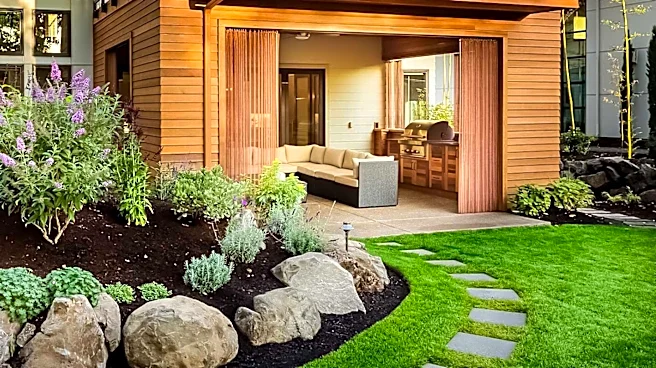
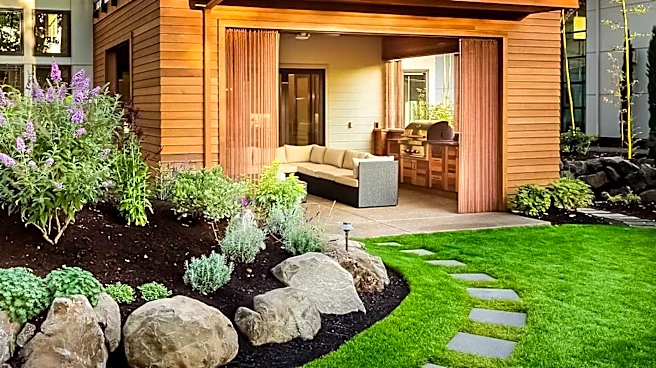
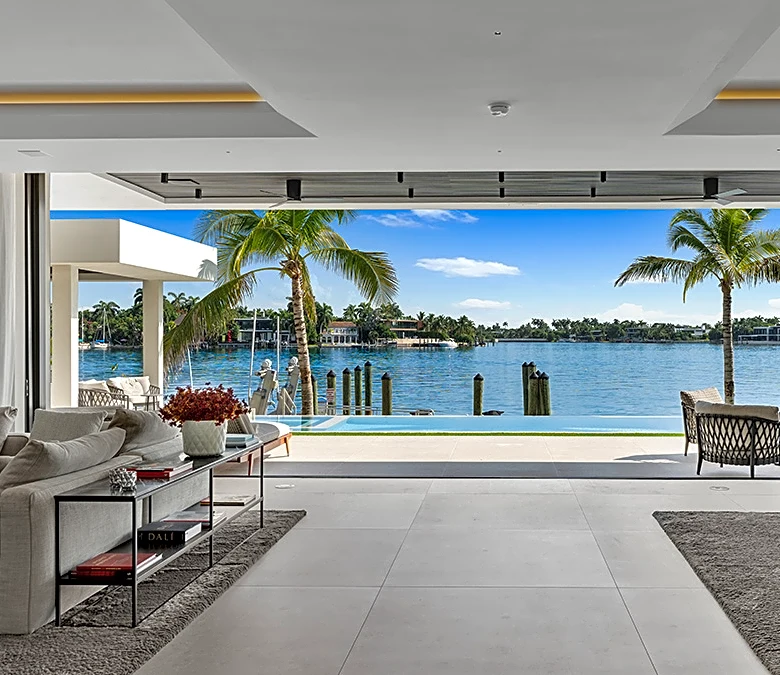
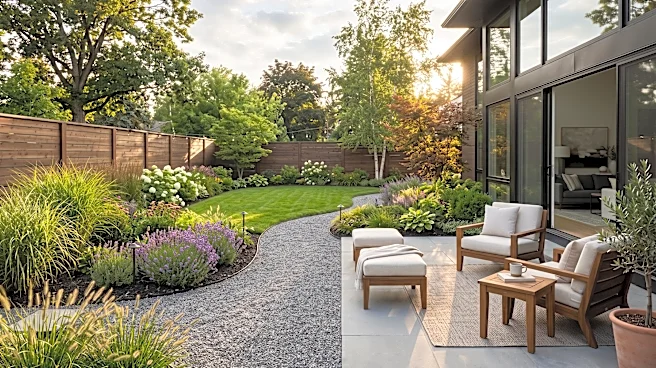
Modern landscaping is evolving to treat outdoor areas as direct extensions of the home, focusing on creating a seamless visual and functional connection between indoor and outdoor living spaces. This approach involves careful planning of greenery, materials,
lighting, and layout to enhance the overall home experience. Key considerations include understanding how residents intend to use their outdoor spaces, whether for play, entertaining, or quiet relaxation. Successful designs balance visual appeal, seasonal interest, practical upkeep, water needs, and long-term growth. Simple choices, such as grouping plants with similar requirements and using appropriate ground coverings, are highlighted as effective ways to reduce maintenance while maintaining an attractive environment. The integration of lighting systems is also crucial for highlighting pathways, architectural features, and seating areas, extending the usability and enjoyment of outdoor spaces into the evening.
Why It's Important?
This shift in landscaping philosophy holds significant importance for U.S. homeowners and the residential construction and design industries. By viewing outdoor spaces as integral parts of the home, property values can be enhanced, and the overall quality of life for residents can improve. For the construction sector, this means an increased demand for integrated design services that consider both indoor and outdoor aesthetics and functionality. Homeowners stand to gain from more usable and enjoyable outdoor areas that require less strenuous maintenance through thoughtful planning. Conversely, those who neglect this integrated approach might find their properties less appealing or functional compared to modern standards. The emphasis on water planning and sustainable practices also aligns with growing environmental consciousness, potentially influencing local regulations and promoting the adoption of water-efficient landscaping techniques across the country.
What's Next?
The trend towards integrated indoor-outdoor living is expected to continue, with further advancements in sustainable landscaping practices and smart home technology extending to outdoor environments. Homeowners will likely seek more personalized and flexible outdoor designs that can adapt to changing needs and lifestyles without requiring constant redesign. This could lead to increased demand for landscape architects and designers who specialize in creating adaptable and low-maintenance outdoor spaces. Furthermore, the industry may see a rise in products and services that support water-efficient landscaping, such as advanced irrigation systems and drought-tolerant plant varieties. The focus on long-term growth and aging gracefully suggests that future landscaping projects will prioritize durability and resilience, ensuring that outdoor spaces remain beautiful and functional for years to come.
Beyond the Headlines
The deeper implications of this landscaping trend extend to cultural and psychological well-being. By blurring the lines between indoor and outdoor living, homes can become more harmonious environments that promote relaxation and connection with nature. This approach can foster a greater appreciation for natural surroundings and encourage more outdoor activity, potentially leading to health benefits. Ethically, the emphasis on sustainability and water conservation reflects a growing societal responsibility towards environmental stewardship, influencing consumer choices and industry practices. The long-term shift could also impact urban planning, with a greater focus on green spaces and integrated outdoor amenities in residential developments. This evolution in landscaping is not just about aesthetics but about creating more livable, sustainable, and emotionally enriching environments for communities across the U.S.