





What's Happening?
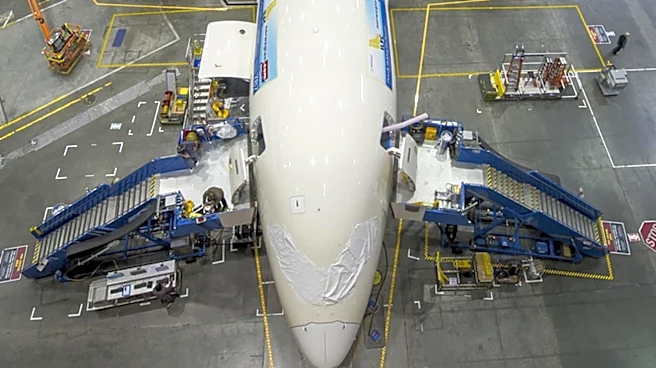
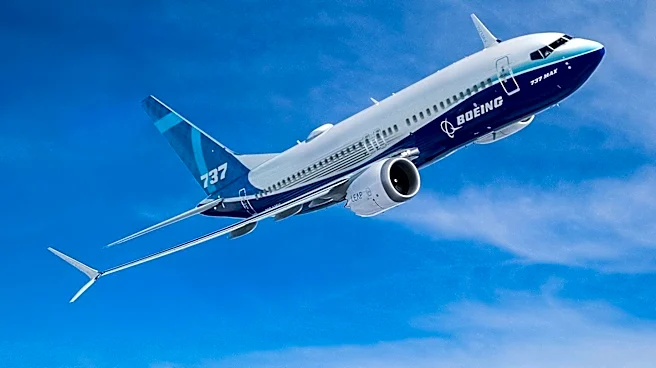
Xiamen Airlines, a subsidiary of China Southern Airlines, has finalized an agreement with Boeing for the purchase of fifty B737-8 aircraft. This development was disclosed by China Southern Airlines in a filing to the Shanghai Stock Exchange on November
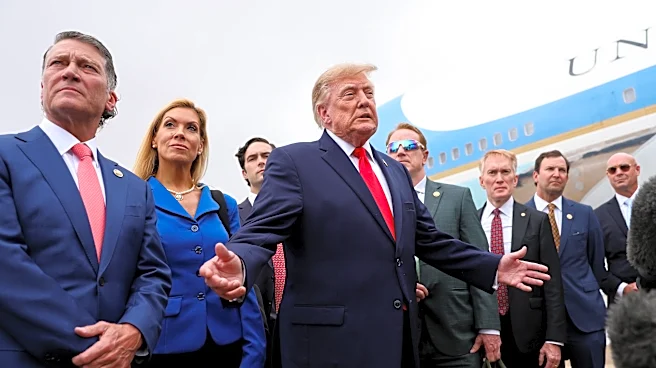
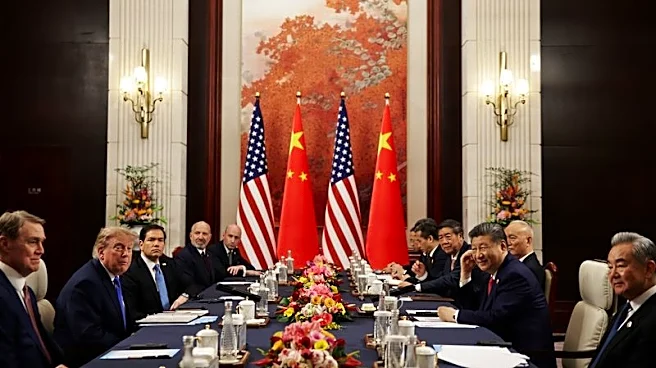
24, 2026. The acquisition is intended to support China's national strategies and facilitate Xiamen Airlines' relocation from Xiamen Gaoqi to the new Xiang'an airport, while also bolstering its hub network within Fujian province. The transaction has received unanimous approval from the parent airline's board, though it still requires endorsement from the company's shareholders and relevant Chinese regulatory bodies. Funding for this significant purchase is planned through a combination of internal resources and external financing, such as bank loans. This order follows President Trump's statement that he anticipated China would acquire an additional 250 Boeing jets, building on an earlier commitment for 200 aircraft made during his state visit to China in May. It remains unclear whether this specific order from Xiamen Airlines is part of that previously announced commitment.
Why It's Important?
This order for 50 Boeing 737-8 aircraft is significant for several reasons, particularly in the context of U.S.-China trade relations and Boeing's market position. For Boeing, securing such a substantial order from a Chinese carrier signals continued demand for its aircraft in a crucial global aviation market. It also provides a much-needed boost, especially after previous uncertainties regarding large Chinese orders. The deal underscores the ongoing commercial ties between the two economic superpowers, even amidst broader trade tensions. For China, the acquisition supports its domestic aviation infrastructure development, specifically Xiamen Airlines' strategic expansion and relocation plans. The investment in new aircraft also reflects the anticipated growth in air travel within China and the broader Asia-Pacific region. The timing of the announcement, shortly after President Trump's comments on further Boeing purchases, highlights the intricate interplay between commercial deals and high-level political discussions, suggesting that economic cooperation remains a key component of the bilateral relationship.
What's Next?
The immediate next steps for this deal involve securing the necessary approvals from China Southern Airlines' shareholders and relevant Chinese authorities. Once these approvals are obtained, the financing arrangements, including internal resources and bank loans, will be finalized to facilitate the purchase. Boeing will then proceed with the manufacturing and delivery schedule for the fifty B737-8 aircraft. This order could potentially pave the way for further aircraft purchases from China, especially if it is confirmed to be part of the larger commitment President Trump mentioned. The aviation industry will be closely watching for any subsequent announcements regarding additional orders, which could indicate a broader trend of renewed confidence and cooperation in the U.S.-China trade relationship. The successful execution of this deal may also influence future trade negotiations and commercial agreements between the two nations, potentially setting a precedent for other sectors.
Beyond the Headlines
Beyond the immediate commercial implications, this aircraft order touches upon deeper geopolitical and economic currents. The deal can be viewed as a strategic move by both the U.S. and China to maintain a degree of economic interdependence, even as they navigate complex trade disputes and geopolitical rivalries. For Boeing, securing orders from China is not just about sales figures; it's about maintaining its global market share against competitors and ensuring its long-term presence in one of the world's fastest-growing aviation markets. For China, investing in Boeing aircraft, despite its own burgeoning aerospace industry, signifies a pragmatic approach to meeting its immediate aviation needs while potentially leveraging such deals for broader diplomatic gains. This transaction also highlights the intricate balance between national economic interests, corporate strategies, and international relations, where large-scale commercial agreements often serve as tangible indicators of the state of bilateral ties, irrespective of political rhetoric.