
What's Happening?
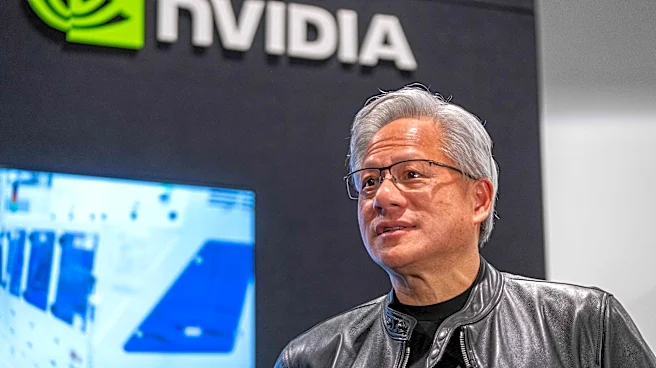
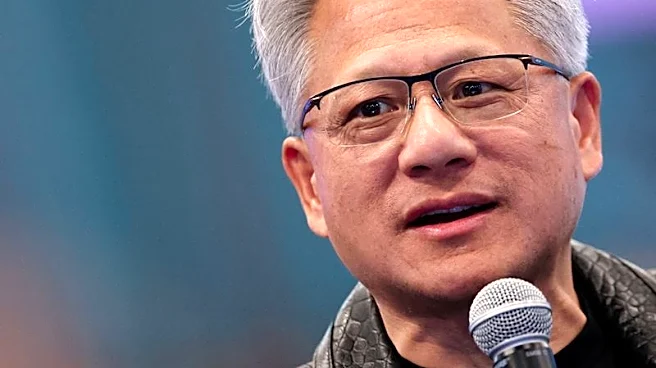
Jensen Huang, the former CEO of Nvidia, has resigned from his position following reports of alleged affairs with an individual identified as a Chinese spy. The resignation has sent ripples through Silicon
Valley, with some industry figures advocating for his reinstatement. The specific details surrounding the alleged affairs and the identity of the purported spy have not been fully disclosed in the provided information. This development marks a significant event for Nvidia, a prominent technology company, and raises questions within the tech community regarding leadership and security implications. The situation is being closely watched as more information may emerge regarding the circumstances of Huang's departure and the potential impact on the company.
Why It's Important?
The resignation of a high-profile CEO like Jensen Huang, especially under such circumstances, carries substantial importance for several reasons. Firstly, it could impact Nvidia's stock performance and investor confidence, given Huang's long-standing leadership and influence within the company. Secondly, allegations involving national security concerns, such as those related to a foreign spy, can trigger broader investigations and heightened scrutiny from government agencies, potentially affecting Nvidia's operations and international business dealings. Thirdly, this event could prompt other technology companies to review their internal security protocols and executive vetting processes, particularly concerning relationships that could pose national security risks. The incident also highlights the increasing geopolitical tensions and the potential for espionage within the technology sector, making it a critical issue for U.S. national security and economic competitiveness.
What's Next?
The immediate next steps will likely involve Nvidia's board of directors addressing the leadership vacuum and potentially initiating an internal investigation into the circumstances surrounding Huang's resignation. There may also be increased media scrutiny and public demand for transparency regarding the allegations. Depending on the nature and credibility of the reports, U.S. intelligence agencies could become involved, potentially launching their own investigations into national security implications. The calls from some in Silicon Valley for Huang's return suggest a divided opinion within the industry, and it remains to be seen if such sentiments will gain traction or if Nvidia will move forward with new leadership. The company's future strategic direction and market position could be influenced by how it navigates this leadership transition and addresses the underlying allegations.
Beyond the Headlines
Beyond the immediate corporate and personal implications, this event touches upon deeper issues concerning corporate espionage, national security, and the ethical responsibilities of executives in sensitive industries. The alleged involvement of a Chinese spy underscores the ongoing geopolitical competition and the vulnerability of critical technology sectors to foreign influence and intelligence gathering. This incident could lead to a re-evaluation of how U.S. tech companies manage relationships with foreign entities and individuals, potentially leading to stricter guidelines and enhanced security clearances for top executives. It also raises questions about the personal conduct of leaders and how such conduct can intersect with national security interests, prompting discussions about the boundaries between private life and public responsibility in high-stakes roles. The long-term implications could include a shift in corporate governance practices and a greater emphasis on counterintelligence measures within the U.S. technology industry.