




What's Happening?
DoorDash announced on October 29, 2026, a definitive agreement to acquire Instacart in a deal valued at approximately $17 billion. Instacart shareholders will receive cash, DoorDash shares, or a combination, with at least 75% of the total deal value in cash.
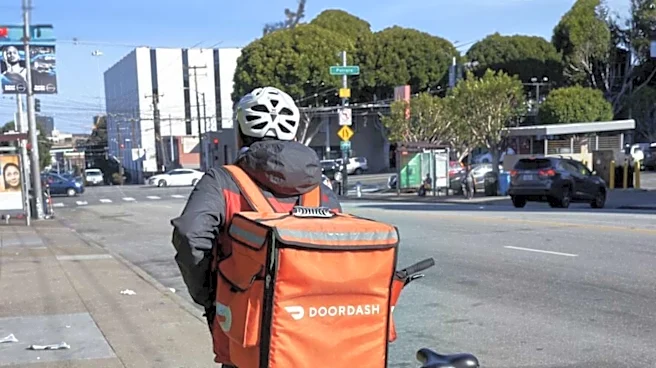
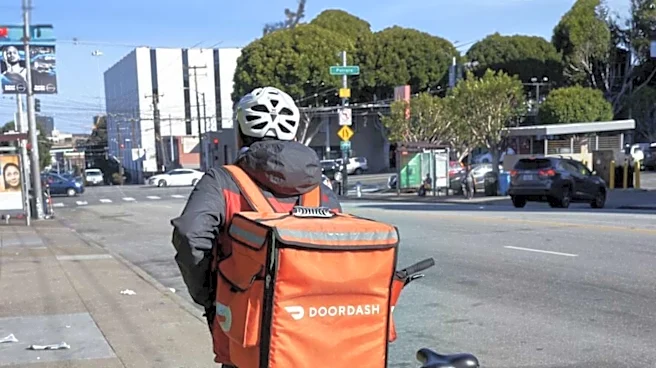
This acquisition aims to merge DoorDash's established delivery network for restaurants and local commerce with Instacart's grocery delivery technology, fulfillment management, and retailer relationships. The companies anticipate that this agreement will provide customers with access to over 50,000 additional stores through the Instacart platform, alongside combined DashPass and Instacart+ benefits, potentially reducing subscription costs. DoorDash plans to retain the Instacart brand and app, with both companies operating independently until the deal's closure. However, the acquisition has sparked concerns regarding the potential impact on gig workers, particularly those who utilize multiple apps to maximize their income and minimize idle time.
Why It's Important?
This acquisition is significant for the U.S. delivery market as it consolidates two major players, potentially reshaping competition and worker dynamics. Analysts warn that reducing the number of independent platforms could diminish the leverage gig workers currently have by moving between competing apps. Approximately 40% of Instacart delivery workers also work for DoorDash, indicating a substantial overlap in their worker bases. This overlap suggests that the deal might not introduce as many new workers to the combined platform as the individual headcounts imply. The ability of workers to 'multi-app' is crucial for managing income fluctuations and optimizing their working hours in the gig economy. A reduction in competition among platforms could lead to less favorable terms for drivers, impacting their pay, flexibility, and control over order selection. While DoorDash asserts the deal will create more opportunities, the long-term effects on worker bargaining power remain a key concern.
What's Next?
The DoorDash-Instacart acquisition is expected to close, after which the integration of their services will begin. DoorDash has committed to preserving Instacart workers' options, including their ability to set work hours and decide on orders, and allowing them to choose between DoorDash orders or continuing solely with Instacart. The company also pledged not to impose exclusivity on local grocery stores, permitting them to collaborate with other delivery platforms. DoorDash plans to make restaurants available on Instacart and stores/retailers on the DoorDash app, aiming to broaden the range of orders for workers. The actual impact on workers' income and flexibility will depend on how the platforms are integrated, the volume of available orders, and the policies adopted post-acquisition. The debate will continue regarding whether this integration genuinely creates additional opportunities or diminishes workers' ability to benefit from platform competition.
Beyond the Headlines
The DoorDash-Instacart merger highlights broader ethical and economic implications within the gig economy. The consolidation of major delivery platforms raises questions about market concentration and its potential effects on labor practices. While companies often argue that such mergers create efficiencies and expand opportunities, critics contend that reduced competition can lead to a decrease in worker bargaining power and potentially lower wages or less flexible working conditions. The practice of 'multi-apping' by gig workers underscores the precarious nature of their employment and their reliance on competition among platforms to secure a living wage. This deal could set a precedent for future consolidations in the gig economy, prompting closer scrutiny from regulators and labor advocates regarding worker protections and fair competition in digital service markets. The long-term shift could be towards a more centralized gig economy with fewer independent options for workers.