
What's Happening?
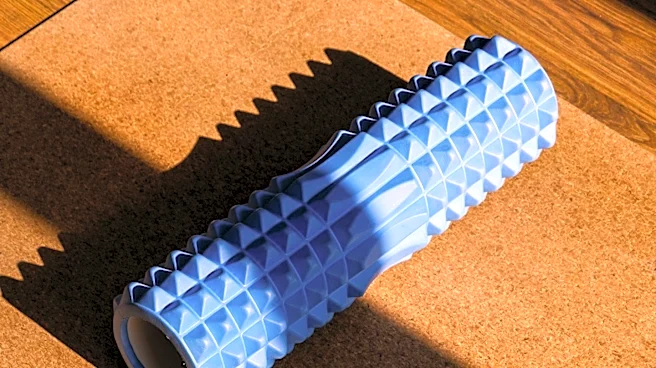
Foam rollers are increasingly being used as a self-massage technique to enhance mobility, prevent injuries, aid in muscle recovery post-exercise, and improve overall physical performance. These tools are designed
to provide targeted pressure to sore muscles, helping to reduce stiffness and improve flexibility. They are made from high-density EVA foam, ensuring durability and shape retention even with frequent use. Foam rollers are versatile, suitable for various body parts including the back, neck, shoulders, and limbs, and are utilized in activities such as yoga, running, Pilates, and physical therapy. Their effectiveness in promoting blood circulation and easing muscle tension contributes to their widespread adoption among athletes and fitness enthusiasts.
Why It's Important?
The growing popularity of foam rollers signifies a broader trend in the U.S. towards accessible and effective self-care and recovery methods in fitness and wellness. For the sports and fitness industry, this translates into increased demand for related products and educational content on proper usage. Individuals stand to gain from improved physical well-being, reduced muscle soreness, and enhanced athletic performance, potentially leading to fewer injuries and a more active lifestyle. Businesses manufacturing and distributing foam rollers, as well as those offering fitness and physical therapy services, benefit from this trend. The emphasis on self-massage and myofascial release also highlights a shift towards proactive health management, empowering individuals to take a more active role in their physical recovery and maintenance.
What's Next?
The market for foam rollers and related self-massage tools is likely to continue expanding, with potential innovations in design, material, and specialized applications. We may see an increase in guided foam rolling programs, both in physical fitness centers and through digital platforms, offering structured routines for different needs and body parts. Educational initiatives on the benefits and correct techniques of foam rolling are also expected to grow, targeting a wider audience from casual exercisers to professional athletes. Furthermore, as awareness of myofascial release grows, there could be a greater integration of foam rolling into rehabilitation protocols and preventative care strategies within physical therapy and sports medicine.
Beyond the Headlines
Beyond their immediate physical benefits, the rise of foam rollers reflects a cultural shift towards greater body awareness and the integration of recovery practices into daily routines. This trend underscores a growing understanding that physical performance is not solely about exertion but also about adequate rest and recovery. Ethically, the accessibility and affordability of foam rollers democratize self-care, making advanced recovery techniques available to a broader population without requiring expensive professional treatments. This could lead to a more resilient and physically capable society, reducing the burden of muscle-related ailments and promoting long-term health. The emphasis on self-efficacy in managing physical discomfort also aligns with broader wellness movements that prioritize individual empowerment and holistic health.