






What's Happening?
As of August 3, 2026, mortgage and refinance rates in the U.S. are showing mixed trends according to data from the Zillow lender marketplace. The current 30-year fixed mortgage rate is at 6.65%, which is 8 basis points higher than the refinance rate for
the same term. The 15-year fixed rate stands at 6.01%, consistent with the refinance rate for this term. Additionally, the 5/1 Adjustable Rate Mortgage (ARM) purchase rate is 6.65%, slightly lower than the refinance rate by 3 basis points. These rates are national averages and are subject to rounding. The data highlights the ongoing fluctuations in mortgage rates, which are influenced by various economic factors.
Why It's Important?
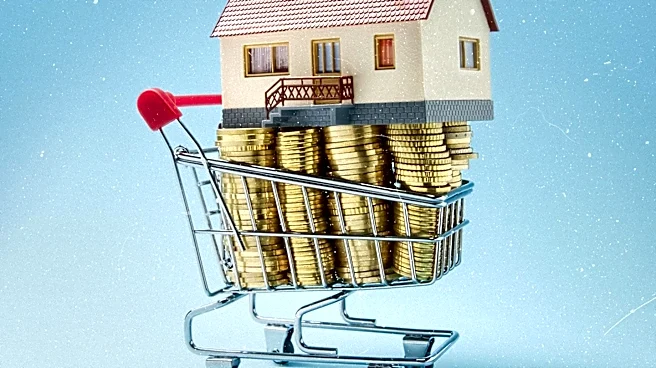
The current state of mortgage rates is significant for both potential homebuyers and those looking to refinance existing loans. Higher mortgage rates can increase the cost of borrowing, impacting affordability for homebuyers and potentially slowing down the housing market. For those refinancing, the mixed rates suggest that while some may benefit from lower rates, others might face higher costs. The economic implications are broad, affecting consumer spending, housing market dynamics, and overall economic growth. Lenders and borrowers alike must navigate these changes carefully, considering factors like credit scores and down payments to secure favorable terms.
What's Next?
Looking ahead, the trajectory of mortgage rates will depend on broader economic conditions, including inflation trends and Federal Reserve policies. Borrowers may need to monitor these rates closely to time their purchases or refinancing efforts effectively. Lenders might adjust their offerings to remain competitive, potentially introducing new products or incentives. Additionally, economic forecasts suggest that rates could stabilize around current levels, but unexpected economic shifts could alter this outlook. Stakeholders in the housing market will need to stay informed and adaptable to these evolving conditions.