




What's Happening?
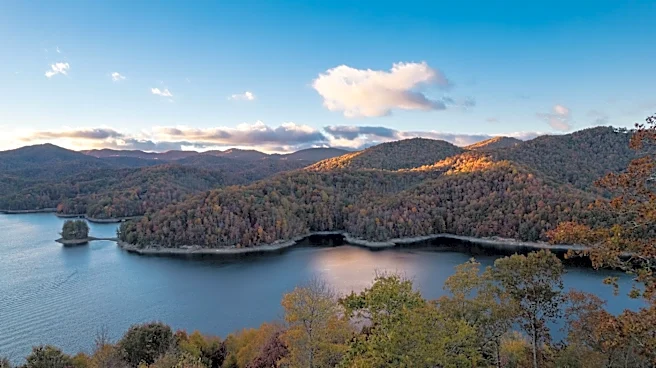
Randleman Lake, located near Greensboro, North Carolina, has become a popular destination for outdoor enthusiasts since its opening in 2010. The man-made reservoir, situated on the Deep River, serves as a drinking water source for the Piedmont Triad communities,
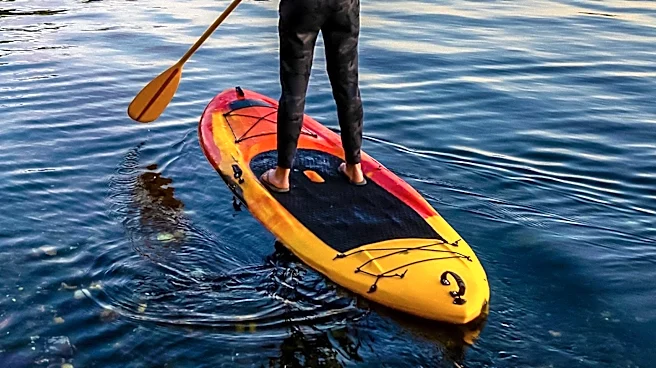
including Greensboro and High Point. It is renowned for its bass fishing, with anglers praising its productivity even during the hot summer months. The lake's caretakers, the North Carolina Wildlife Resources Commission and the Piedmont Triad Regional Water Authority, have maintained the lake's ecosystem by ensuring the presence of 'laydowns'—fallen trees that provide shade for bass and baitfish like shad and bluegill. Randleman Lake also hosts the annual Reel-n-Randleman Fishing Tournament, attracting fishers from across the Southeast. Additionally, the lake supports various boating activities, with restrictions on powerboats to preserve its natural beauty.
Why It's Important?
Randleman Lake's development as a recreational hub highlights the balance between environmental conservation and community recreation. By providing a controlled environment for fishing and boating, the lake supports local tourism and outdoor activities, contributing to the regional economy. The restrictions on powerboats and the prohibition of bank fishing help maintain the lake's ecological integrity, ensuring sustainable use of natural resources. This approach not only preserves the lake's scenic beauty but also enhances its appeal as a destination for nature lovers and sports enthusiasts. The lake's role in supplying drinking water underscores its importance to the surrounding communities, emphasizing the need for careful management of such resources.
What's Next?
As Randleman Lake continues to attract visitors, ongoing management efforts will be crucial to maintaining its ecological health and recreational value. Future developments may include enhanced facilities for visitors and expanded conservation programs to protect the lake's biodiversity. Stakeholders, including local authorities and environmental groups, are likely to collaborate on initiatives that promote sustainable tourism while safeguarding the lake's natural resources. The success of such efforts could serve as a model for similar projects across the region, highlighting the potential for recreational areas to contribute to both environmental conservation and economic development.