




What's Happening?
Pilates is a mind-body exercise method that centers on core strength, control, flexibility, and breathing. Developed by Joseph Pilates, this low-impact workout approach helps individuals build strength and improve body awareness through controlled movements
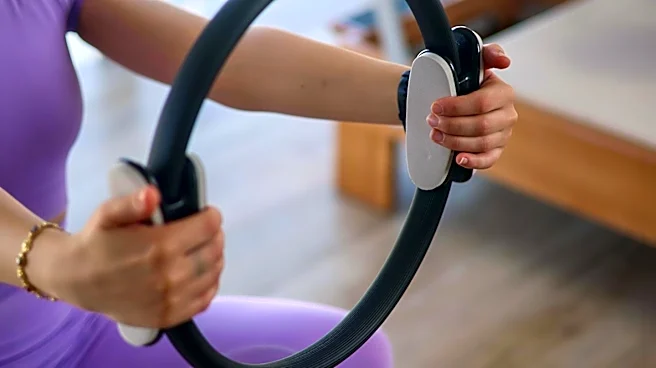
and precise execution. The method emphasizes core stability, muscle control, and proper body alignment. While traditional Pilates principles, such as centering, concentration, control, precision, breath, and flow, are foundational, breathing is consistently cited as the most important element across both fitness and clinical research. Pilates can be performed on a mat, using body weight and small props, or on specialized equipment like the reformer, which adds adjustable resistance through springs and pulleys. The choice between mat and reformer often depends on individual preferences, goals, and whether support or increased challenge is desired.
Why It's Important?
Pilates offers significant benefits for a wide range of individuals, from beginners to athletes, and those seeking rehabilitation. Its low-impact nature makes it accessible for people returning to exercise, managing chronic conditions like back pain, or seeking to improve overall physical well-being without high-intensity movements. The focus on core strength and stability is crucial for supporting the spine, improving posture, and enhancing balance and coordination, which can translate to better performance in daily activities and other sports. For individuals with chronic non-specific lower back pain, studies indicate that Pilates can reduce pain and improve day-to-day function. Furthermore, the mind-body connection fostered by Pilates, through concentration and controlled breathing, can help reduce stress and improve mental well-being, making it a holistic approach to fitness.
What's Next?
For those interested in starting Pilates, it is recommended to begin with beginner-level classes or one-on-one sessions, especially if new to the method or managing an injury. Consulting a healthcare professional before starting any new exercise program is advisable, particularly for individuals with existing medical conditions or during pregnancy. Consistency is key to achieving results, with many protocols suggesting two to three 45-60 minute sessions per week. Beginners can start with shorter sessions and gradually increase duration and intensity. Combining Pilates with other forms of exercise, such as cardiovascular activity and strength training, can create a more comprehensive fitness routine. The availability of both mat and reformer options allows individuals to choose a format that best suits their budget, schedule, and fitness goals, whether in a studio setting or at home.
Beyond the Headlines
The growing popularity of Pilates, particularly reformer-based workouts in boutique studios, reflects a broader shift in the fitness industry towards structured, experience-driven exercise. These studios often provide instructor-led sessions, music, and a community element, which can enhance motivation and adherence to a regular exercise routine. While Pilates is not primarily designed for maximum muscle hypertrophy or rapid weight loss, it serves as an excellent complement to other training regimens by improving foundational strength, flexibility, and body awareness. The emphasis on precise movement and control over speed distinguishes Pilates from many traditional workouts, promoting a deeper understanding of one's body mechanics. This mindful approach can lead to long-term benefits in movement quality and injury prevention, fostering sustainable fitness habits rather than focusing solely on short-term aesthetic goals.