


What's Happening?
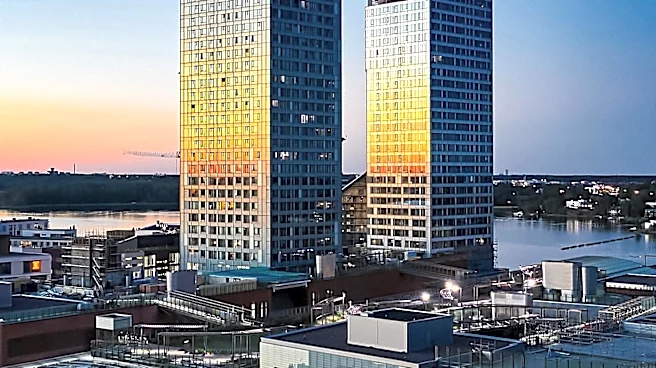
The Jersey City Redevelopment Agency has approved a significant $1 billion redevelopment project near the Jersey City Medical Center. This multi-phase plan, led by Related KRE JCMC Holdings, LLC, involves the construction of four high-rise towers that
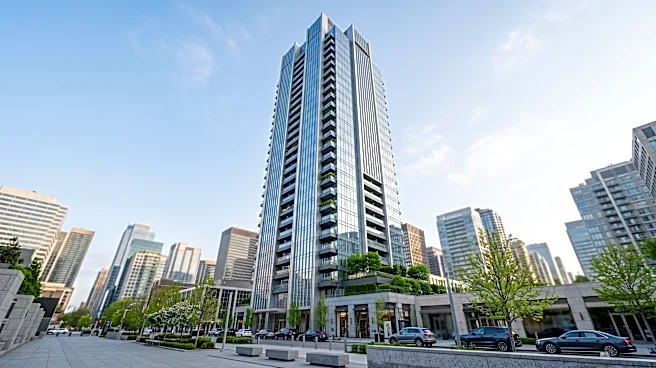
will house approximately 2,215 apartments, including 52 workforce housing units. The project also includes the development of commercial spaces, parking structures, a publicly accessible park, and a section of the Morris Canal Greenway. The plan was on the agency's November 16 agenda, with resolutions designating Related KRE JCMC Holdings as the redeveloper for portions of Block 15801, Lots 3.02, 4.01, and 5. These parcels are known as 185 Monmouth St., 353 Skinner Memorial Drive, and 44 Aetna (Rear) within the Grand Jersey Redevelopment Area. The project outlines four phases of construction, with varying numbers of market-rate and workforce rental units, ground-floor commercial spaces, and parking facilities designed to serve both residents and the medical center. The agency's public documents, however, did not immediately disclose details such as sale price, tax terms, construction timelines, or parking counts, stating these agreements are 'on file with the Agency.'
Why It's Important?
This redevelopment project is poised to significantly impact Jersey City's urban landscape and housing market. The addition of over 2,200 residential units, including dedicated workforce housing, addresses the growing demand for housing in one of Hudson County's rapidly expanding communities. The inclusion of commercial spaces, public parks, and greenway sections aims to enhance local amenities and quality of life for residents. For the Jersey City Medical Center, the project is designed to strengthen its financial future, with proceeds from the redevelopment intended to be reinvested into healthcare services for Jersey City and surrounding Hudson County communities. This is particularly crucial following the closure of Heights Hospital, Jersey City's only other medical center. The collaboration between RWJBarnabas Health, Related Companies, and Kushner Real Estate Group signifies a major private-public partnership that could set a precedent for future large-scale urban development initiatives in the region, influencing economic growth, job creation, and the provision of essential services.
What's Next?
While the Jersey City Redevelopment Agency has approved the plan, the project still requires further approvals, specifically from the Jersey City Planning Board, before construction can commence. The development is expected to unfold in stages over approximately the next decade. Key details such as the sale price of the land, specific tax terms (including any PILOT agreements), and a definitive construction timeline are currently not publicly available and remain 'on file with the Agency.' Future steps will likely involve the finalization of these agreements and their public disclosure. Stakeholders, including community groups and local residents, will be closely watching for these details, particularly regarding community benefits beyond the park, greenway, and workforce units. The project's progression will also involve ongoing coordination between the developers, the medical center, and city officials to ensure compliance with urban planning regulations and community needs.
Beyond the Headlines
The lack of immediate public disclosure regarding critical financial and operational details, such as sale price and tax terms, raises questions about transparency in large-scale urban redevelopment projects. While the agency states these agreements are 'on file,' their absence from initial public resolutions can lead to scrutiny regarding accountability and public interest. This situation highlights a broader tension between the need for rapid urban development and the public's right to comprehensive information about projects that profoundly affect their communities. Furthermore, the project's scale and its integration with a major healthcare institution could set a new standard for mixed-use developments, potentially influencing how future urban planning balances residential, commercial, and public health infrastructure needs. The long-term impact on local infrastructure, public services, and the socio-economic fabric of Jersey City will be a critical area to monitor as the project progresses, especially concerning equitable access to new amenities and potential gentrification effects.