





What's Happening?
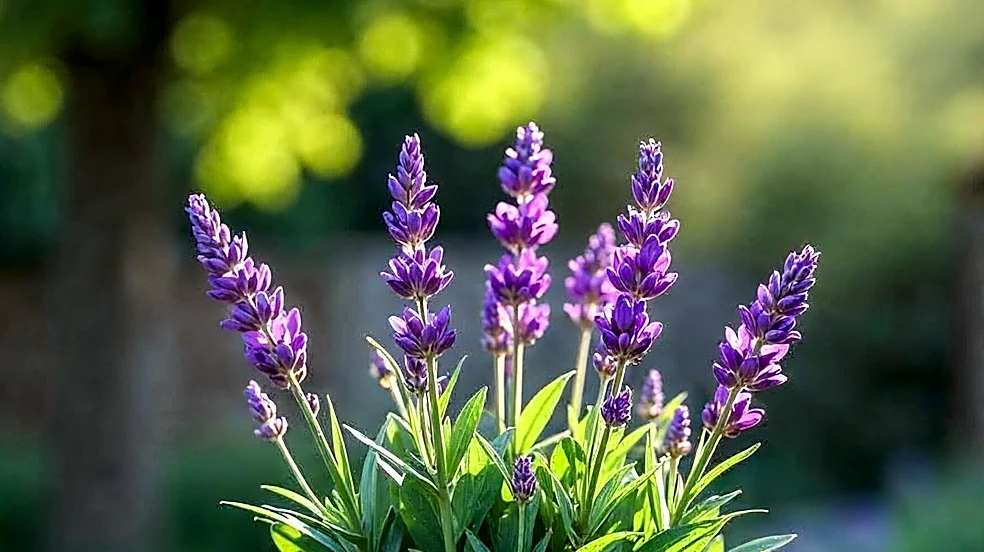
A comprehensive guide to lavender plant care highlights the essential requirements for cultivating healthy lavender plants, including sunlight, soil, watering, fertilizer, pruning, and winter protection. Lavender thrives in full sun, ideally receiving
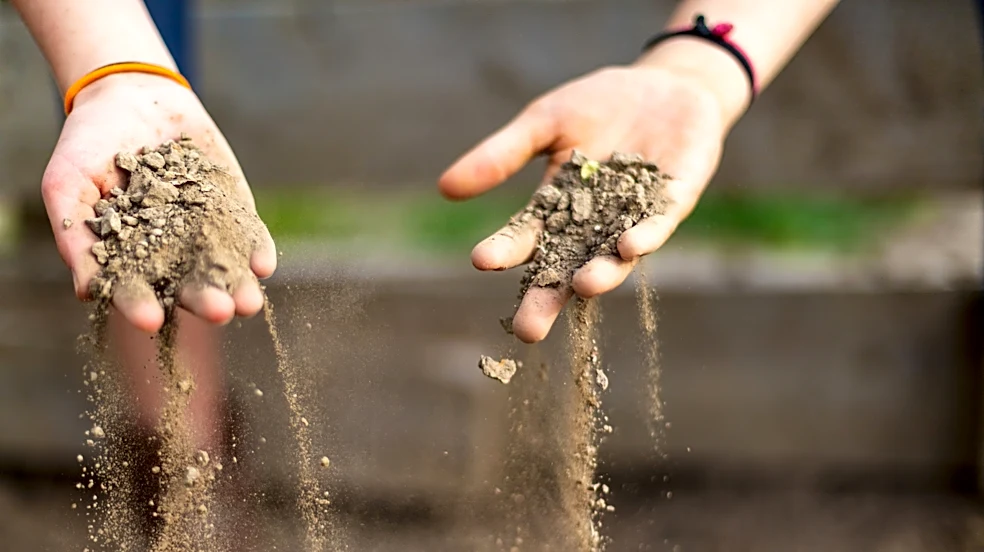
6-8 hours of direct sunlight daily, and requires well-draining, sandy, rocky, or loamy soil. Overwatering and poor drainage are identified as common causes for lavender plant struggles. The guide also details the importance of minimal fertilizer, light annual pruning to maintain shape and prevent woody growth, and specific winter care depending on the lavender variety and local climate. Different types of lavender, such as Spanish, French, and Phenomenal, have varying tolerances for cold and humidity, necessitating tailored care approaches. For instance, Spanish and French Lavender generally prefer milder winters compared to English Lavender and some lavandin hybrids.
Why It's Important?
Understanding the specific care requirements for lavender is crucial for gardeners, particularly given the plant's popularity for its fragrant flowers and aesthetic appeal in various landscapes. Improper care, especially regarding sunlight and drainage, can lead to common problems like root rot, woody stems, and poor blooming, resulting in wasted effort and resources. By adhering to guidelines for full sun exposure, well-draining soil, and appropriate watering, gardeners can ensure the longevity and vibrancy of their lavender plants. This knowledge also helps in selecting the right lavender variety for a specific climate, preventing issues related to cold hardiness or humidity tolerance. Successful lavender cultivation contributes to pollinator gardens, low-maintenance landscapes, and the overall beauty and fragrance of outdoor spaces, enhancing biodiversity and aesthetic value.
What's Next?
Gardeners are advised to implement the outlined care practices, focusing on providing optimal environmental conditions for their lavender plants. This includes planting in suitable locations with ample sunlight and ensuring excellent soil drainage. Regular, light pruning after the main flowering period is recommended to maintain plant shape and encourage healthy growth, while avoiding severe cuts into old, bare wood. For those in colder climates, selecting cold-hardy varieties or providing winter protection for less tolerant types, especially container-grown plants, will be critical. Continuous monitoring for signs of distress, such as browning foliage or lack of blooms, and adjusting care accordingly will ensure the long-term health and productivity of lavender plants. The guide encourages a proactive approach to prevent common issues rather than reacting to problems after they have developed.
Beyond the Headlines
The detailed care instructions for lavender plants underscore a broader principle in horticulture: the importance of understanding a plant's natural habitat and replicating those conditions for successful cultivation. Lavender, native to the Mediterranean, thrives in dry, sunny, and well-drained environments, which explains its intolerance to excessive moisture and shade. This highlights the ecological concept of 'right plant, right place,' where selecting species suited to local conditions minimizes the need for intensive interventions. Furthermore, the emphasis on minimal fertilizer and careful watering aligns with sustainable gardening practices, reducing chemical runoff and conserving water. The guide implicitly promotes a mindful approach to gardening, encouraging observation and adaptation rather than rigid routines, fostering a deeper appreciation for plant physiology and ecological balance.