





What's Happening?
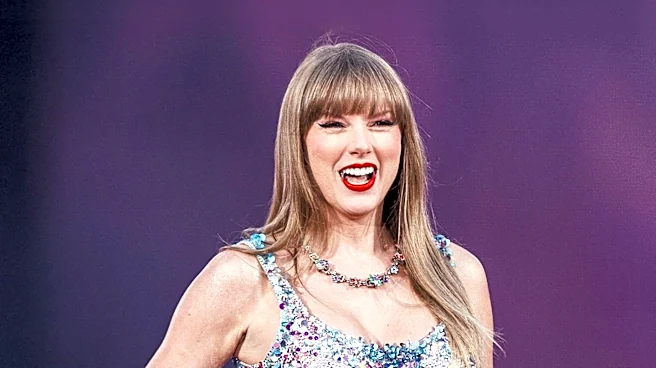
Veteran musician and producer Todd Rundgren has publicly criticized Taylor Swift's artistic merit and her impact on contemporary music. In an interview with Vulture, Rundgren, known for producing Meat Loaf's 1977 album 'Bat Out of Hell,' suggested that
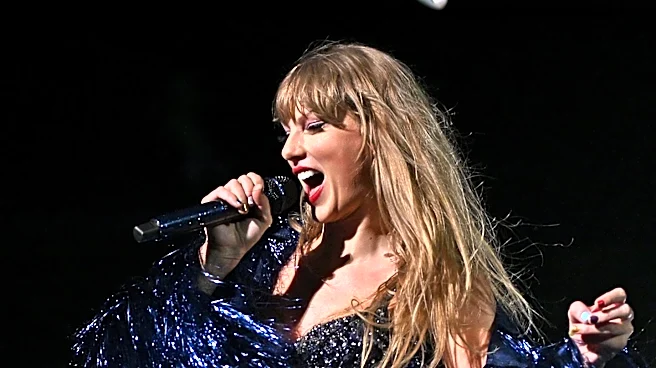
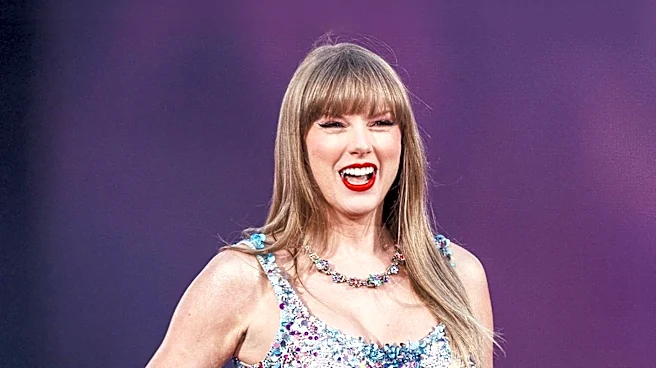
Swift's success is more a reflection of market shifts than exceptional musical talent. He questioned the artistic quality of her vocals, songwriting, and stagecraft, framing her as a figure he would satirize if producing a theatrical record today. Rundgren also offered a speculative theory that changes in youth consumption habits over decades have led to major pop stars often being women. His comments have reignited discussions about fame, gender, and how modern audiences influence popular music, portraying Swift as emblematic of what he termed mediocrity in mainstream pop.
Why It's Important?
Todd Rundgren's critique of Taylor Swift carries significant weight due to his long-standing career and influence in the music industry, prompting broader discussions beyond celebrity gossip. Swift commands a highly devoted fanbase, and such commentary from established figures can spark debates about artistic standards, generational divides, and gendered expectations within popular culture. This exchange highlights how critical language from legacy artists can shape public perception of newer performers. It also underscores the influence of platforms and purchasing habits in determining which artists are promoted and monetized. The potential for backlash or support from large fan communities, which can amplify or suppress media narratives, further emphasizes the importance of these discussions for both artists and the industry.
What's Next?
The comments made by Todd Rundgren are likely to continue to fuel debate within the music industry and among the public. Given Taylor Swift's massive and dedicated fanbase, there could be significant reactions, ranging from strong defense of Swift to further discussion of Rundgren's points. Social media platforms are expected to amplify these discussions, potentially leading to renewed conversations about what constitutes musical achievement, how artistic tastes evolve across generations, and who holds the authority to judge musical talent. While Rundgren's long career lends weight to his perspective, his generalizations about consumer behavior and artistic merit are likely to be contested by critics and fans alike, ensuring that the dialogue around artistry, commerce, and cultural change in pop music will persist.
Beyond the Headlines
Todd Rundgren's remarks delve into deeper implications concerning the evolving landscape of popular music and the dynamics between established artists and contemporary stars. His framing of Swift's success as market-driven rather than talent-driven raises questions about the commercialization of art and the role of audience demand in shaping musical trends. The speculative cultural explanation regarding the prevalence of female pop stars touches on gender dynamics within the industry and how societal shifts might influence artistic representation. This episode highlights a recurring tension in pop culture where older industry figures often reassess current stars, leading to debates about authenticity, innovation, and the definition of musical 'merit' in an era dominated by digital platforms and fan engagement. It also underscores the power of fan communities to influence public discourse and potentially challenge traditional critical perspectives.