
What's Happening?
Kingwood Fitness has outlined the distinct purposes and applications of stretching before and after exercise. According to the fitness center, dynamic stretching, which involves controlled movements, is recommended
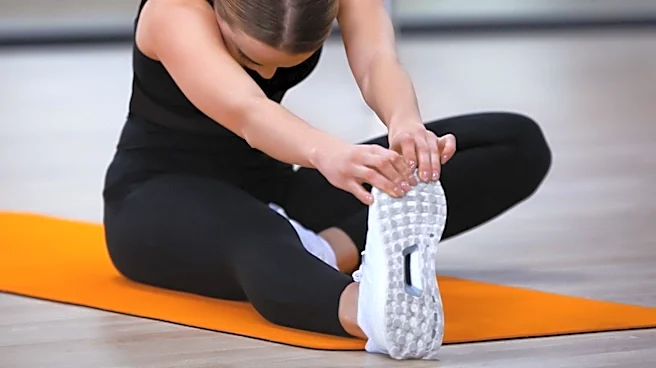
prior to a workout to prepare muscles and joints for physical activity. Conversely, slower, more sustained stretches are suggested for post-exercise routines to aid in maintaining flexibility and facilitating a gradual transition into recovery. Kingwood Fitness emphasizes that the integration of stretching and mobility work into training programs is customized based on an individual's fitness level and the specific demands of their workout. The facility's approach to flexibility training is not to favor one type of stretching over another, but rather to align the stretching routine with the nature of the upcoming workout and the body's specific movement requirements. This tailored methodology allows members to combine stretching, mobility, strength, and conditioning to achieve a comprehensive fitness regimen.
Why It's Important?
This detailed explanation from Kingwood Fitness is important for individuals seeking to optimize their fitness routines and prevent injuries. Understanding the difference between dynamic and static stretching, and when to apply each, can significantly enhance workout effectiveness and recovery. For the fitness industry, this highlights a trend towards more personalized and informed training methodologies, moving beyond generic advice to specific, science-backed practices. Clients who adopt these differentiated stretching techniques are likely to experience improved performance, reduced muscle soreness, and a lower risk of exercise-related injuries, thereby increasing their overall satisfaction and adherence to fitness programs. This approach also underscores the value of professional guidance in fitness, as coaches at Kingwood Fitness adjust exercises based on individual experience, movement ability, and workout demands, ensuring safety and efficacy.
What's Next?
Individuals engaging in fitness activities can apply these principles by incorporating dynamic stretches before their workouts and slower stretches afterward. Fitness centers and trainers may further integrate these nuanced stretching protocols into their standard offerings, potentially developing specialized classes or workshops focused on mobility and flexibility. The emphasis on individualized programs suggests a continued trend towards personalized fitness plans, where assessments of movement ability and workout demands become standard practice. This could lead to the development of more sophisticated tools or apps that help individuals tailor their stretching routines. Furthermore, as awareness grows, there might be an increased demand for certified professionals specializing in flexibility and mobility, prompting more fitness professionals to pursue advanced training in these areas.
Beyond the Headlines
The distinction between pre- and post-workout stretching reflects a broader evolution in exercise science, moving from generalized recommendations to more precise, evidence-based practices. This shift has ethical implications for fitness professionals, who are increasingly expected to provide informed and safe guidance tailored to individual needs, rather than one-size-fits-all advice. Culturally, it signifies a growing appreciation for holistic well-being, where flexibility and mobility are recognized as crucial components of overall health, not just an adjunct to strength or cardiovascular training. Legally, adherence to best practices in exercise prescription, including appropriate stretching protocols, can mitigate risks of injury and liability for fitness establishments. This detailed approach to stretching also encourages a more mindful engagement with one's body, fostering a deeper understanding of its needs and capabilities.