




What's Happening?
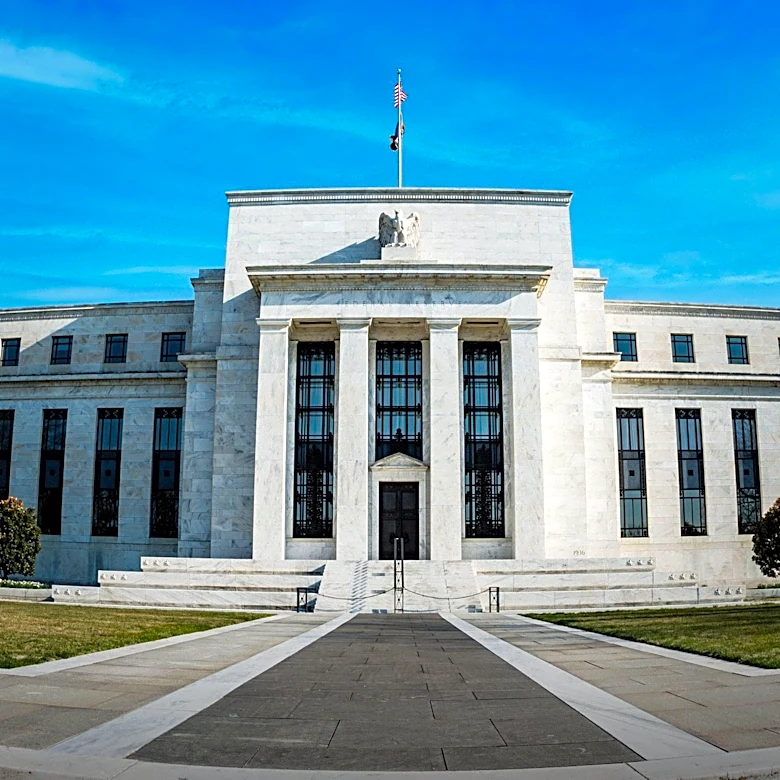
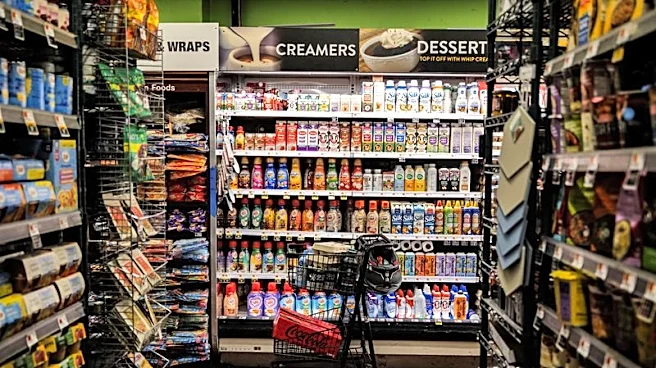
U.S. inflation data for October has come in higher than anticipated, leading to increased expectations for a significant Federal Reserve rate hike. The U.S. Consumer Price Index (CPI) rose by 0.4% in October, surpassing economists' forecasts of a 0.3%
increase, following a 0.6% advance in September. Furthermore, the core CPI, which excludes volatile food and energy prices and is often used to gauge underlying inflation, registered a 0.3% increase, higher than the 0.2% consensus. This hotter-than-expected inflation reading has dampened market sentiment, with the S&P/ASX 200 futures down 0.5% at the start of the trading day. Following the release of this data, the U.S. dollar strengthened against major currencies, while the price of gold experienced a sharp decline.
Why It's Important?
The persistent rise in U.S. inflation has significant implications for the national economy and global financial markets. Higher inflation erodes purchasing power for consumers and increases operational costs for businesses, potentially slowing economic growth. The Federal Reserve's response, particularly the prospect of a half-percentage-point rate hike, directly impacts borrowing costs for individuals and companies, influencing everything from mortgages to business investments. A stronger U.S. dollar, a consequence of anticipated rate hikes, can make U.S. exports more expensive and imports cheaper, affecting trade balances. For investors, the data signals continued volatility, as evidenced by the decline in gold prices and the broader market downturn. This situation underscores the ongoing challenge for the Federal Reserve to manage inflation without triggering a recession, a delicate balance that affects all economic stakeholders.
What's Next?
The immediate consequence of this inflation data is heightened anticipation for the Federal Reserve's next policy meeting. Market participants are now more strongly expecting a half-percentage-point rate hike, which would further tighten monetary policy. This could lead to continued upward pressure on interest rates across various financial products. Businesses will likely face higher financing costs, potentially impacting expansion plans and hiring. Consumers may see increased costs for loans and credit. The housing market, which has already shown signs of weakening due to previous rate hikes, will be closely monitored for further impacts. The Federal Reserve will continue to analyze incoming economic data, including future inflation reports and employment figures, to guide its decisions. The trajectory of inflation and the Fed's actions will be critical determinants of the U.S. economic outlook in the coming months.
Beyond the Headlines
Beyond the immediate market reactions, the sustained inflation figures highlight deeper structural economic challenges. Supply chain disruptions, geopolitical events, and robust consumer demand have all contributed to the current inflationary environment. The Federal Reserve's aggressive stance to combat inflation, while necessary, carries the risk of over-tightening, which could lead to an economic slowdown or even a recession. This situation also brings into focus the debate around the effectiveness of monetary policy in addressing supply-side inflation. Furthermore, the impact on different segments of the population varies, with lower-income households often disproportionately affected by rising prices for essential goods. The long-term implications could include a re-evaluation of global supply chains, increased investment in domestic production, and a shift in consumer spending habits as households adjust to a higher cost of living. The ongoing battle against inflation will shape economic policy and public discourse for the foreseeable future.