







What's Happening?
Experts are emphasizing the importance of anti-inflammatory foods in managing chronic inflammation, which is linked to various chronic diseases. According to Dr. Roshini Raj, a gastroenterologist and clinical associate professor at NYU Grossman School
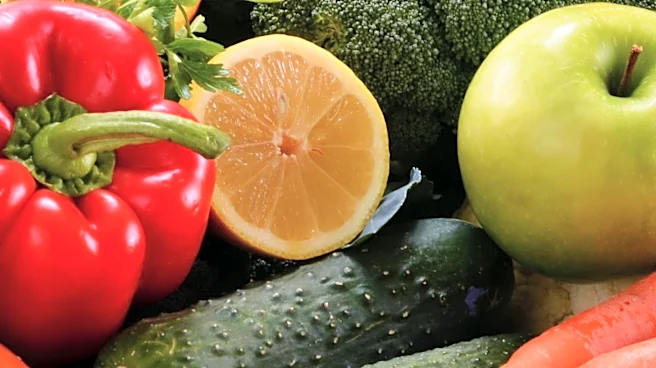
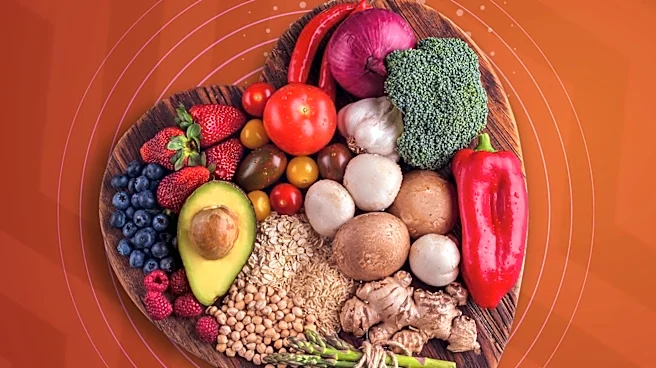
of Medicine, reducing chronic inflammation can significantly improve health and longevity. Registered dietitian Natalie Rizzo suggests focusing on whole, minimally processed foods, particularly those with deep, rich colors, as they contain beneficial plant compounds known as phytonutrients. These compounds, such as anthocyanins in blueberries and lycopene in tomatoes, have potent antioxidant and anti-inflammatory properties. Rizzo recommends pairing these foods with other anti-inflammatory staples like leafy greens, nuts, seeds, beans, whole grains, and healthy fats to support overall health and reduce inflammation over time.
Why It's Important?
The emphasis on anti-inflammatory foods is crucial as chronic inflammation is a significant factor in many chronic diseases. By incorporating foods rich in phytonutrients, individuals can potentially reduce inflammation and improve their overall health. This dietary approach not only supports a balanced gut microbiome but also offers a natural way to combat inflammation without relying solely on medication. The focus on whole, colorful foods aligns with broader public health recommendations to increase fruit and vegetable intake, which can lead to better health outcomes and reduced healthcare costs. As more people become aware of the benefits of anti-inflammatory diets, there could be a shift towards healthier eating habits, impacting food industry trends and consumer choices.
What's Next?
As awareness of the benefits of anti-inflammatory foods grows, there may be increased demand for these foods in the market. This could lead to more availability and variety of such foods in grocery stores and restaurants. Additionally, public health campaigns might focus more on educating the public about the importance of diet in managing inflammation and preventing chronic diseases. Researchers may continue to study the specific impacts of various phytonutrients on health, potentially leading to new dietary guidelines or recommendations. The food industry might also innovate by developing new products that cater to the demand for anti-inflammatory foods.
Beyond the Headlines
The push towards anti-inflammatory diets highlights a broader cultural shift towards preventive health measures and holistic wellness. This trend reflects a growing recognition of the role of diet in overall health and the desire for natural, sustainable ways to manage health conditions. It also underscores the importance of food education and access to healthy options, which can be a challenge in areas with limited resources. As more people adopt these dietary practices, there could be long-term benefits in reducing the prevalence of chronic diseases and improving public health outcomes.