




What's Happening?
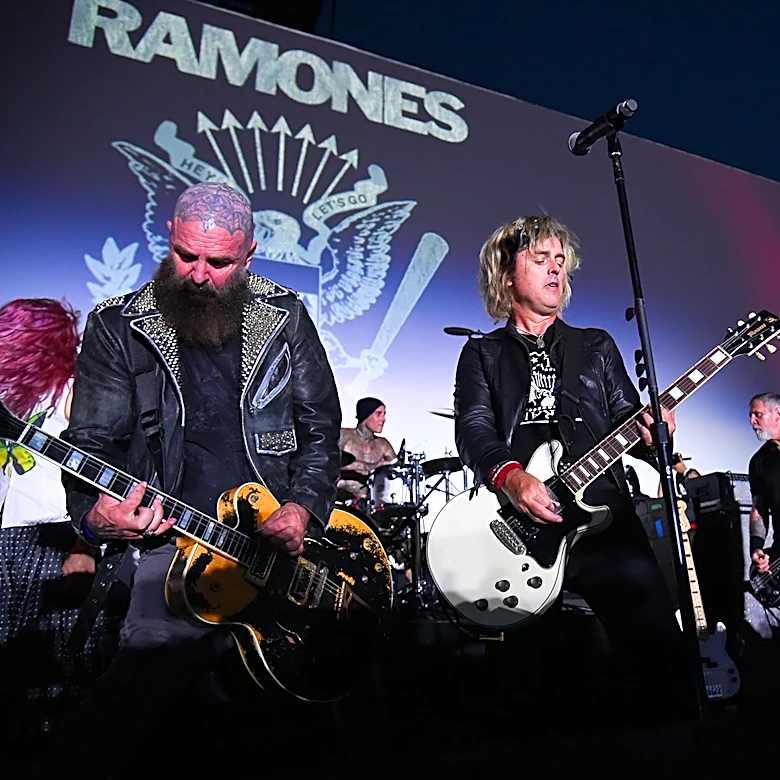
Gen X music critic Mikael Wood and Gen Z video journalist Rebecca Castillo from the Los Angeles Times recently attended a Julian Casablancas lookalike contest in Echo Park. The event also featured a performance by a Strokes tribute band. Their attendance
aimed to explore the lasting relevance of The Strokes, the iconic early-2000s New York garage rock band, and its frontman, Julian Casablancas. The article highlights the continued cultural impact of the band across different generations, prompting a discussion on why The Strokes continue to resonate with audiences years after their initial rise to fame. The contest and tribute band performance underscore the band's enduring legacy and the nostalgic appeal of their music.
Why It's Important?
This event underscores the significant and sustained cultural influence of The Strokes, particularly Julian Casablancas, on American music and youth culture. The fact that a lookalike contest and tribute band can draw a crowd years after the band's peak demonstrates a powerful intergenerational appeal, bridging the gap between Gen X and Gen Z. This phenomenon highlights how certain musical acts transcend their initial era to become timeless, influencing new artists and maintaining a dedicated fanbase. For the music industry, it signals the potential for legacy acts to continue generating interest and revenue through nostalgic events and tribute performances. It also provides insight into how different generations engage with and interpret musical history, with younger audiences discovering and appreciating bands that predated their own coming-of-age.
What's Next?
The continued interest in The Strokes and Julian Casablancas suggests that similar nostalgic events, tribute acts, and re-examinations of their work are likely to persist. This could lead to more articles, documentaries, or fan-organized events exploring the band's impact. For The Strokes themselves, this enduring relevance could translate into renewed interest in their back catalog, potential reunion tours, or new music that appeals to both their original fanbase and newer generations. The interaction between Gen X and Gen Z perspectives on the band, as highlighted by the reporters, may also encourage more cross-generational dialogue and content creation within music journalism, exploring how different age groups connect with cultural touchstones. This trend could also inspire other bands from the early 2000s to explore similar fan engagement strategies.
Beyond the Headlines
The Julian Casablancas lookalike contest and the broader discussion around The Strokes' relevance delve into the deeper cultural phenomenon of musical nostalgia and identity. For many, Julian Casablancas became an icon representing a certain aesthetic and attitude of early 2000s indie rock, embodying a blend of cool detachment and artistic integrity. The act of dressing up as a musical idol or attending a tribute concert is more than just entertainment; it's a form of cultural participation and identity expression. It allows fans to relive a specific era, connect with a shared past, or even project an aspirational image. This event also subtly touches on the cyclical nature of fashion and music trends, where styles and sounds from previous decades are continually reinterpreted and celebrated by new generations, demonstrating how cultural memory is preserved and reanimated through fan engagement and media coverage.