



What's Happening?
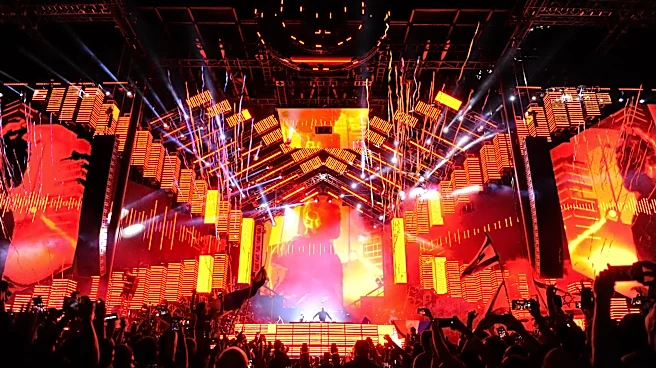
Sports Illustrated Stadium, home to the New York Red Bulls and NY/NJ Gotham FC, will be transformed into a two-day electronic music festival called 'THE GRID' on Saturday, June 26, and Sunday, June 27, 2027. This new festival aims to provide a full-scale
electronic music experience, centered around 'The Core,' a custom-designed 360-degree performance environment on the stadium floor. The event will extend beyond the main stage, utilizing various areas of the venue. THE GRID will feature five distinct districts: The Core, The Underground, The Circuit, The Overlook, and The Gridspace. Each district is designed to offer a unique atmosphere, from high-energy electronic music in a warehouse-style setting at The Underground to premium viewing and hospitality at The Overlook. The Gridspace will extend the festival into the exterior plaza with photo opportunities, sponsorship activations, DJ performances, and merchandise. Additional pop-up experiences and a 'Hype House' are also planned to encourage exploration throughout the weekend. Access to certain areas will depend on ticket type and capacity limits. Adam Saber, founder and executive producer of THE GRID, stated that the festival aims to offer a different kind of experience, encouraging attendees to explore new music styles and make new connections.
Why It's Important?
The introduction of THE GRID festival at Sports Illustrated Stadium signifies a growing trend of sports venues diversifying their event offerings beyond traditional athletic competitions. This move is important for several reasons. Economically, it provides a new revenue stream for the stadium and the surrounding Harrison, New Jersey area, attracting a different demographic of visitors who will likely contribute to local businesses through hospitality, dining, and retail. For the electronic music industry, it offers a large-scale, dedicated venue for a significant festival, potentially elevating the profile of electronic dance music in the region. For fans, it provides a unique, immersive experience within a modern, accessible stadium setting, which is a short PATH Train ride from Manhattan. This initiative also highlights the adaptability of modern stadium design, showcasing how these facilities can be leveraged for a wide array of entertainment events, thereby maximizing their utility and community impact. The festival's focus on creating distinct experiences within different zones could set a new standard for large-scale music events, emphasizing exploration and discovery for attendees.
What's Next?
Following the announcement of THE GRID festival, the next steps will involve the release of the artist lineup, detailed ticket information, and additional festival specifics. These announcements will likely generate further public interest and drive initial ticket sales. Event organizers will also focus on logistical planning, including securing vendors, staffing, and coordinating with local authorities for permits and public safety. The New York Red Bulls organization, as the primary tenant of Sports Illustrated Stadium, will likely continue to promote the event as part of its broader community engagement and revenue diversification strategy. The success of this inaugural festival could pave the way for future large-scale music events at the stadium, potentially establishing it as a recurring destination for major electronic music festivals. Furthermore, other sports venues might observe the outcome of THE GRID to assess the viability of hosting similar non-sporting events, potentially leading to a broader trend of multi-purpose utilization of stadiums across the U.S.
Beyond the Headlines
The transformation of Sports Illustrated Stadium into an electronic music festival venue reflects a broader cultural shift in how large public spaces are utilized. Beyond the immediate economic benefits, this development underscores the increasing demand for immersive, multi-sensory entertainment experiences. It also highlights the evolving role of sports stadiums, moving beyond their primary function to become versatile entertainment hubs capable of hosting diverse events. This trend could lead to innovative collaborations between sports organizations and entertainment promoters, blurring the lines between different sectors of the entertainment industry. Ethically, event organizers will need to ensure responsible crowd management, noise control, and environmental impact mitigation, given the scale of such a festival in a residential area. Legally, securing permits and adhering to local regulations for large-scale public gatherings will be crucial. Culturally, the festival could foster a sense of community among electronic music enthusiasts and contribute to the vibrant arts and culture scene in the New Jersey/New York metropolitan area, potentially attracting international attendees and further solidifying the region's status as a global entertainment destination.