




What's Happening?
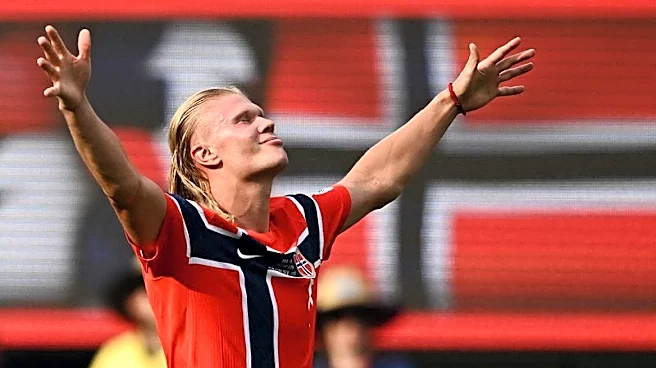
The 2026 FIFA World Cup, hosted across Canada, Mexico, and the United States, has been a spectacle of thrilling matches and notable storylines. The tournament, featuring 48 teams for the first time, has seen standout performances from top players like
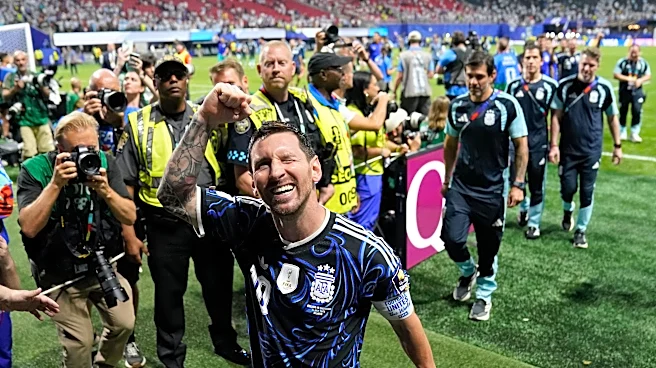
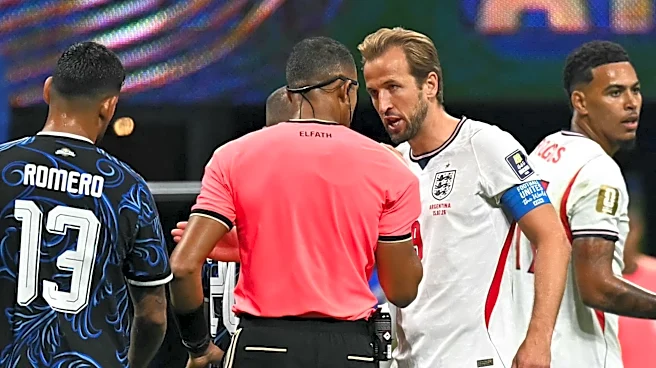
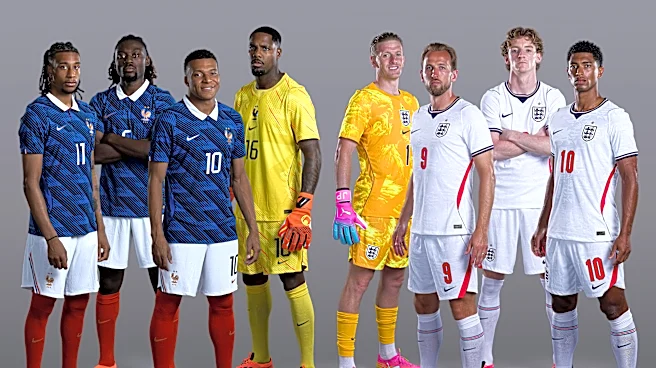
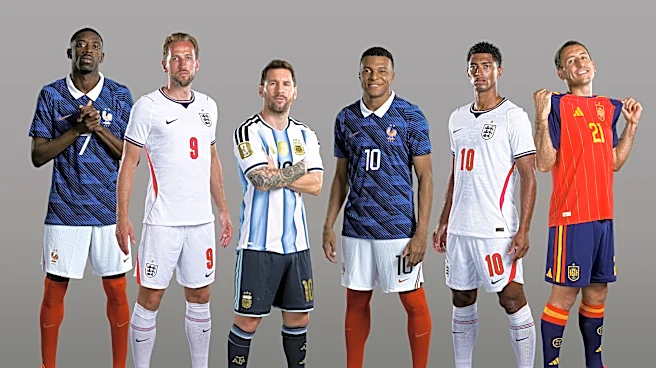
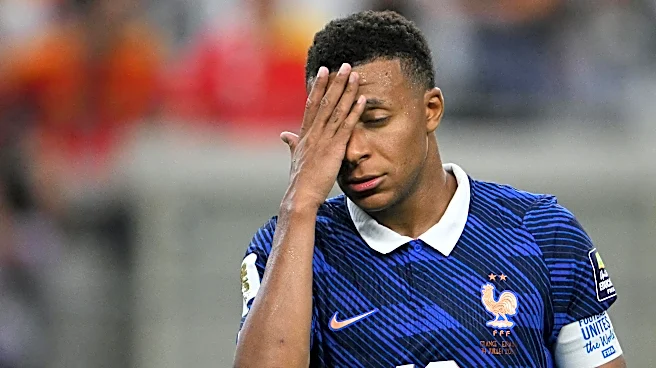
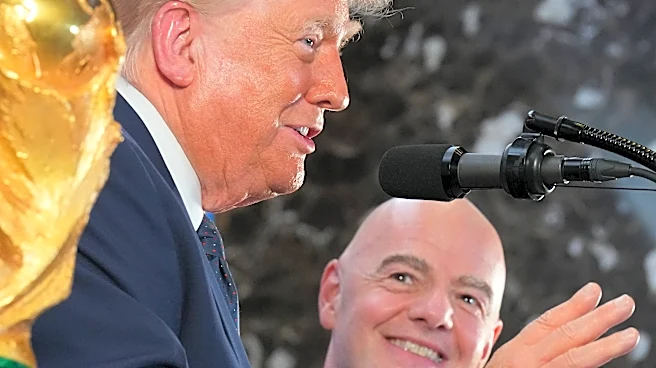
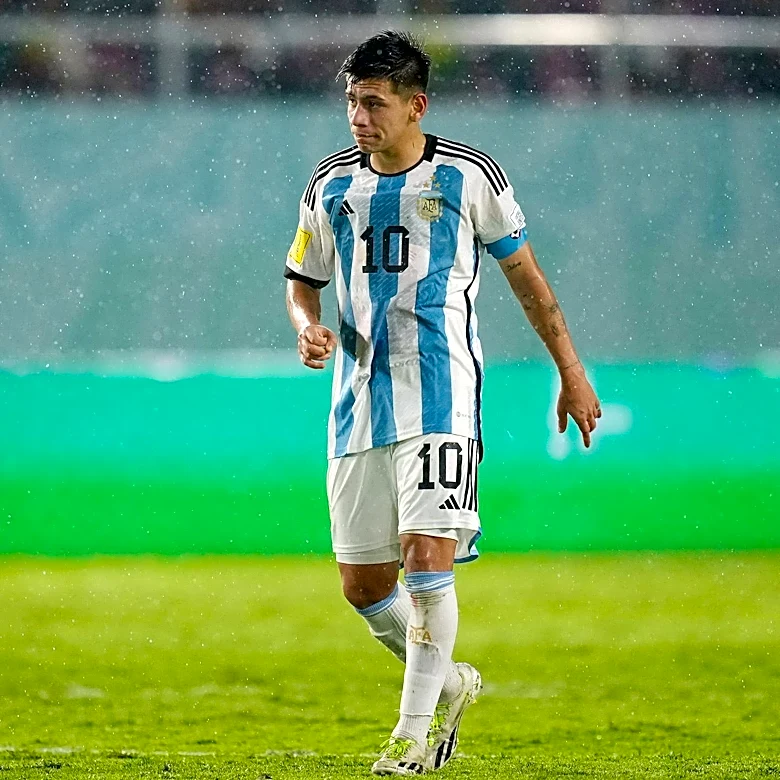
Lionel Messi, Kylian Mbappe, Erling Haaland, and Harry Kane. Mbappe leads the race for the Golden Boot, having become the top goalscorer in World Cup history. Debutant teams like Cape Verde and Curacao have also made headlines with their surprising performances. Off-field, the tournament has not been without controversy, notably involving US forward Folarin Balogun, whose suspension was controversially lifted after intervention from President Trump. Additionally, political tensions surfaced during the semi-final between Argentina and England over the Falkland Islands dispute.
Why It's Important?
The 2026 World Cup has significant implications for international football, showcasing the growing competitiveness of smaller nations and the enduring dominance of established football powers. The expansion to 48 teams has allowed more countries to participate, potentially increasing global interest and investment in the sport. The controversies, particularly involving political interventions, highlight the complex interplay between sports and international relations. The tournament's outcomes could influence future FIFA policies and the global football landscape, affecting how tournaments are organized and how political issues are managed within the sport.