








What's Happening?
Chelsea Hottovy, a seasoned solo traveler from San Francisco who has visited all seven continents, initially harbored reservations about group tours. Despite her independence, she found herself embracing the structured environment and social connections
offered by group travel during trips to Tanzania and Antarctica. Hottovy recounts feeling nervous before her first group tour to Antarctica, concerned about the personalities of her fellow travelers. However, she discovered that other solo women travelers were "extremely cool and nice." Her second group experience in Tanzania, where she joined after missing the initial welcome dinner, quickly led to strong bonds with the group members. She highlights the benefits of having logistics handled, such as delicious meals, interesting locations, and seamless transportation, which allowed her to fully immerse herself in the experience without the usual planning burdens of solo travel. The group dynamic also provided emotional support and shared memories, particularly during a memorable cheetah sighting in Tanzania.
Why It's Important?
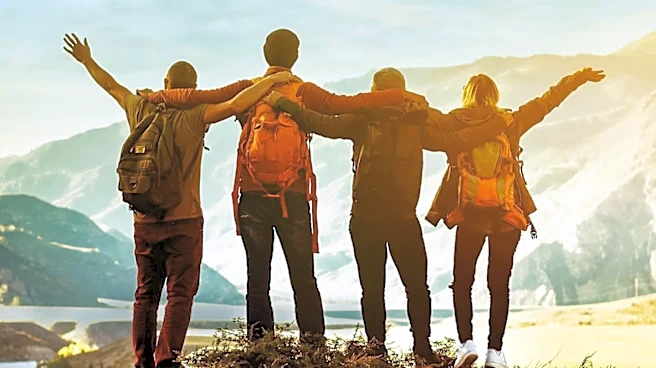
This shift in perspective from a dedicated solo traveler underscores a growing trend in the travel industry: the appeal of group tours for individuals seeking both adventure and companionship. For many, the perceived downsides of solo travel, such as safety concerns, logistical complexities, and potential loneliness, are mitigated by organized group trips. This trend is particularly significant for women travelers, as group tours can offer an enhanced sense of security and a built-in social network. The shared experiences and mutual support fostered within these groups can lead to lasting friendships, transforming what might otherwise be solitary journeys into deeply communal ones. This model also benefits local economies in destination countries, as tour operators often ensure that group activities and accommodations support local businesses, as noted by Leigh Barnes, president, North America for Intrepid Travel, in a related context.
What's Next?
The increasing popularity of small group tours suggests a continued expansion of offerings from travel companies catering to diverse interests and destinations. As more solo travelers, particularly women, discover the advantages of these structured yet social adventures, the market for such tours is likely to grow. Travel operators will likely focus on refining itineraries to balance organized activities with opportunities for personal exploration and relaxation. Furthermore, the emphasis on creating a supportive and engaging group dynamic will remain crucial, with guides playing a key role in facilitating interactions and ensuring a positive experience for all participants. The success stories of travelers like Chelsea Hottovy will likely inspire others who might be hesitant to try group travel, further fueling this segment of the tourism industry.
Beyond the Headlines
The experience of Chelsea Hottovy highlights a deeper psychological aspect of travel: the human need for connection and shared experience, even among those who value independence. While solo travel offers unparalleled freedom, group tours can provide a unique blend of adventure and community, fostering a sense of belonging that can be profoundly enriching. The ability to share significant moments, like witnessing a cheetah in the wild or navigating a new culture, amplifies the emotional impact of these experiences. Moreover, the practical benefits of group travel, such as expert guidance and logistical support, allow travelers to engage more deeply with their surroundings without the stress of planning. This model also subtly challenges traditional notions of independence, suggesting that true freedom in travel might sometimes be found in the embrace of a supportive collective.