





What's Happening?
Portland General Electric (PGE) has officially joined the California Independent System Operator’s (CAISO) Extended Day-Ahead Market (EDAM). This new market mechanism allows participating utilities to buy and sell electricity in the day-ahead timeframe,
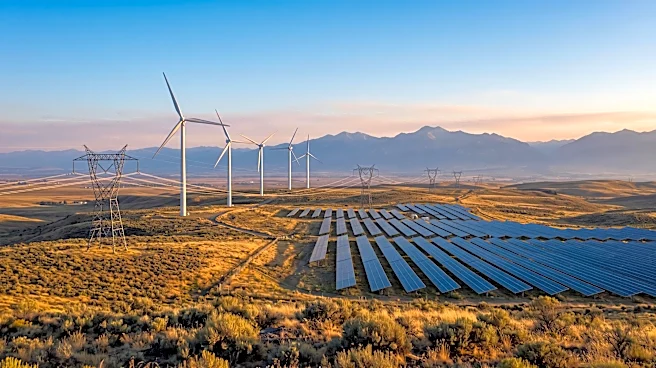
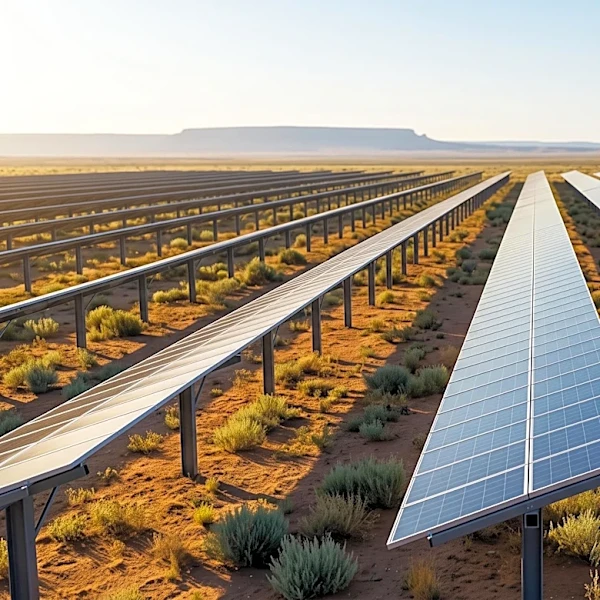
which is when the majority of power transactions occur. EDAM is designed to optimize the use of diverse energy resources across the Western United States, including hydropower and wind from the Pacific Northwest, and solar generation from California and the desert Southwest. By integrating these resources and optimizing supply, demand, and transmission across a wider geographic area, the market aims to reduce costs, improve grid reliability, and support the increased use of renewable energy sources. PGE's participation is expected to provide access to a broader portfolio of resources, helping the company manage costs and enhance reliability for its customers. PGE has been a participant in CAISO’s Western Energy Imbalance Market (WEIM) since 2017, reporting approximately $377 million in cumulative benefits from that involvement.
Why It's Important?
PGE's entry into EDAM signifies a growing trend towards regional market collaboration in the Western U.S., which is crucial for the stability and efficiency of the power grid. This expanded market integration allows for more efficient allocation of energy resources, potentially leading to lower electricity costs for consumers due to optimized buying and selling of power. Furthermore, it enhances grid reliability by providing access to a more diverse and geographically distributed set of energy sources, which can help mitigate localized supply disruptions or fluctuations from intermittent renewable generation. For Oregon, this move supports its clean energy future by facilitating greater integration of renewable energy into the grid. The success of EDAM, which generated over $11 million in benefits in its first two months, demonstrates the economic advantages of such collaborative energy markets. This initiative also sets a precedent for other utilities, with several more expected to join EDAM in 2027 and 2028, further solidifying a more interconnected and resilient Western energy market.
What's Next?
Following PGE's recent entry, the EDAM is set to expand further with additional utilities joining in the coming years. In 2027, the Los Angeles Department of Water and Power, the Balancing Authority of Northern California, the Public Service Company of New Mexico, and Turlock Irrigation District are expected to join. This will be followed by the Imperial Irrigation District, BHE Montana, and NV Energy in 2028. This phased expansion indicates a sustained commitment to regional energy market integration across the West. The continued growth of EDAM will likely lead to further optimization of energy resources, potentially yielding greater economic and reliability benefits for a larger customer base. Stakeholders, including utility companies, regulators, and consumers, will be closely monitoring the market's performance and its impact on energy costs and grid stability as more participants come online.
Beyond the Headlines
The expansion of regional energy markets like EDAM represents a significant shift in how electricity is managed and distributed in the U.S., particularly in the context of increasing renewable energy penetration. This collaborative approach moves beyond traditional, localized energy management, fostering a more interconnected and resilient grid that can better handle the variability of renewable sources like solar and wind. The ability to efficiently trade energy across a broader footprint not only reduces costs but also enhances the overall security of the energy supply, making the grid less vulnerable to extreme weather events or localized generation failures. This model could serve as a blueprint for other regions in the U.S. looking to modernize their energy infrastructure and accelerate their transition to cleaner energy sources, highlighting the long-term strategic importance of such market integrations for national energy policy and environmental goals.