






What's Happening?
Second-chance banking accounts are emerging as a crucial tool for the successful reintegration of formerly incarcerated individuals into society. These accounts are designed for consumers who typically would not pass standard bank onboarding due to past
overdrafts, involuntary account closures, or suspected fraud. Banks offering these products either bypass the ChexSystems inquiry—a consumer-reporting agency that tracks negative banking history—or apply a more lenient screening process. These accounts primarily utilize debit cards, avoiding paper checks and linked lines of credit, thereby limiting the bank's exposure to risk. They often come with low or waivable monthly fees, typically ranging from $0 to $5, and support direct deposit and online bill pay. Many can also convert to standard checking accounts after a specified period. Approximately 450,000 people are released from prison annually in the U.S., and incarceration significantly reduces the likelihood of bank account ownership, hindering access to wages, credit, and stable housing.
Why It's Important?
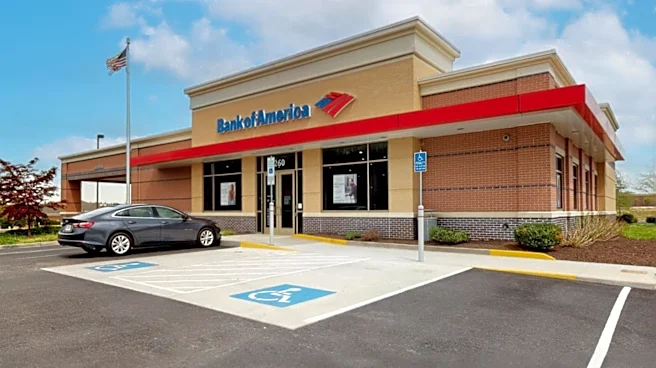
The availability of second-chance banking accounts is vital for addressing financial exclusion among a significant portion of the U.S. population. Without bank accounts, formerly incarcerated individuals often rely on costly check-cashing services, which can accumulate over $40,000 in fees over a 40-year career, potentially reaching $360,000 if invested. This financial burden prevents them from building credit, receiving direct deposit wages, or providing proof of payment for rent and utilities, all of which are essential for establishing stable housing and employment. The FDIC's Model Safe Accounts Pilot demonstrated the viability of these products, with 81% of checking and 95% of savings accounts remaining open after one year. Financial institutions like Bank of America and Chime have seen substantial demand, indicating a clear market need and business case for these services. By facilitating financial inclusion, these accounts support stable employment and predictable routines, which are recognized as critical factors in reducing recidivism.
What's Next?
Federal regulators are now focused on ensuring the consistent offering of second-chance banking products and their reliable recognition under the Community Reinvestment Act. There is also a push to reform account-screening practices rather than imposing new mandates, as the infrastructure for these accounts largely exists within American financial institutions. The goal is to bring many of the 5.6 million unbanked U.S. households into the regulated banking system. Continued expansion and standardization of these accounts could lead to broader financial stability for vulnerable populations and reduce the societal costs associated with financial exclusion and recidivism. The success of current programs suggests that with appropriate regulatory support and continued bank participation, second-chance banking can become a more widespread and impactful solution.
Beyond the Headlines
The proliferation of second-chance banking accounts highlights a deeper societal challenge: the long-term financial consequences of incarceration and the barriers to reintegration. Beyond the immediate financial benefits, these accounts offer a pathway to dignity and self-sufficiency for individuals often marginalized by the traditional financial system. The ethical implications revolve around providing equitable access to essential financial services, recognizing that past mistakes should not permanently bar individuals from economic participation. Legally, the reform of gatekeeping processes, such as ChexSystems inquiries, could set precedents for how consumer reporting agencies balance risk assessment with social responsibility. Culturally, the widespread adoption of these accounts could shift perceptions of formerly incarcerated individuals, fostering a more inclusive economic environment and acknowledging the importance of financial literacy and support in reducing crime and promoting community well-being.