



What's Happening?
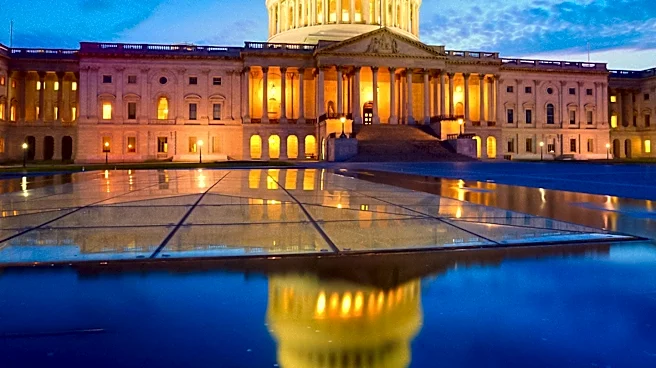
Representative Valerie Foushee, alongside Senator Richard Blumenthal and Representative Paul Tonko, sent a letter to FanDuel on August 10, requesting details about the operation of its VIP program. This inquiry follows reports and a lawsuit filed by former
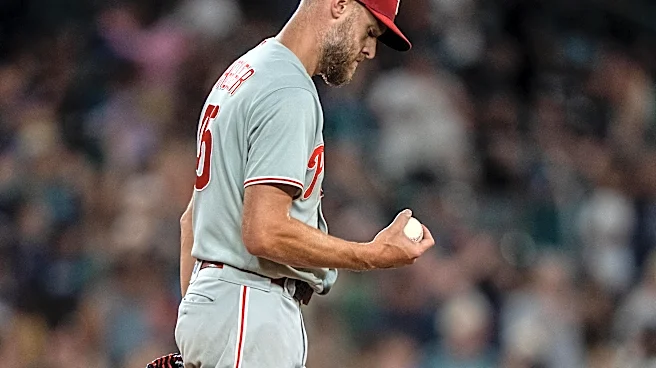
FanDuel VIP customer Terry Thompson, who alleges that FanDuel exploited his gambling addiction. Thompson claims he lost over $1.5 million after placing $18.5 million in bets and that a FanDuel VIP manager allegedly arranged a personalized video featuring Philadelphia Phillies player Bryce Harper to be sent to him in 2024. The lawmakers' letter specifically asked FanDuel whether it offers rewards to users attempting to limit or close their accounts, directs promotions to those on losing streaks, and uses athlete or celebrity videos to engage VIP clients. FanDuel has since rejected calls to shut down its VIP program.
Why It's Important?
This congressional inquiry into FanDuel's VIP program is highly significant due to its implications for consumer protection, responsible gambling practices, and the ethical responsibilities of online betting operators. The allegations of exploiting gambling addiction raise serious concerns about the industry's marketing tactics and the potential for harm to vulnerable individuals. The involvement of high-profile athletes like Bryce Harper in promotional activities for VIP programs further complicates the issue, as it can influence individuals and potentially normalize excessive gambling. This situation highlights the tension between the lucrative nature of online betting and the imperative to safeguard public health. The outcome of this inquiry could lead to increased regulatory scrutiny of VIP programs across the online gambling industry, potentially resulting in stricter guidelines on how these programs are structured, marketed, and managed, especially concerning individuals who may be struggling with addiction.
What's Next?
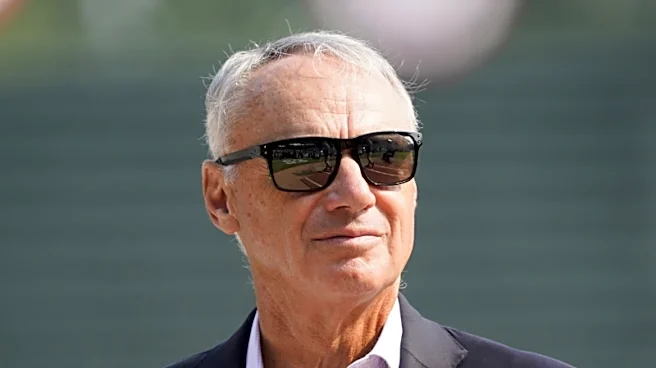
Following FanDuel's rejection of calls to shut down its VIP program, the congressional inquiry is expected to continue. Senator Blumenthal and Representatives Tonko and Foushee will likely review FanDuel's response to their letter and may pursue further actions based on the information provided. This could include holding hearings, requesting additional data, or even proposing new legislation to regulate online gambling VIP programs more stringently. The lawmakers also contacted Major League Baseball (MLB) and the MLB Players Association (MLBPA) for information on the league's rules regarding player partnerships with betting operators, indicating a broader investigation into the intersection of sports and gambling. The ongoing lawsuit by Terry Thompson against FanDuel will also proceed, and its outcome could influence public perception and regulatory approaches. This situation could lead to a reevaluation of advertising standards and responsible gaming policies within the entire online betting industry.
Beyond the Headlines
The congressional scrutiny of FanDuel's VIP program delves into the deeper ethical considerations surrounding targeted marketing and the psychological impact of personalized incentives in the gambling industry. The use of personalized videos from athletes, as alleged, raises questions about the extent to which operators leverage celebrity influence to encourage continued engagement, even from individuals exhibiting signs of addiction. This case could prompt a broader societal discussion about the responsibilities of platforms that profit from potentially addictive behaviors and the role of public figures in endorsing such activities. It also highlights the challenges of self-regulation within the online gambling sector and the potential need for more robust external oversight. The outcome could set a precedent for how online platforms are held accountable for the well-being of their users, particularly in industries where the line between entertainment and addiction can be blurred, potentially influencing future regulations on digital marketing and consumer protection across various sectors.