



What's Happening?
Mike Brown, head coach of the New York Knicks, has led the team to their first NBA championship in 53 years by adopting a collaborative coaching style. Unlike traditional coaching methods that rely on a single authoritative figure, Brown's approach involves
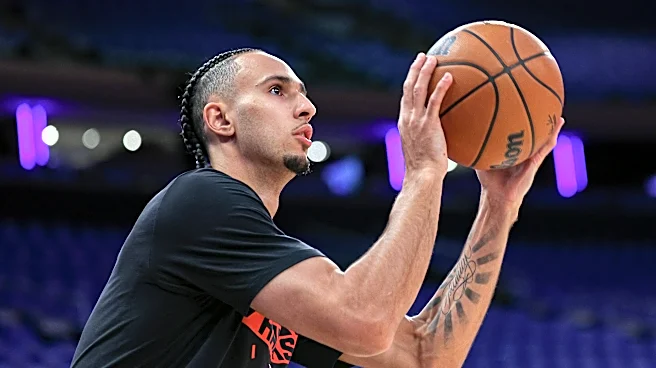
sharing decision-making responsibilities with players, assistants, and the front office. This strategy has been credited with the Knicks' success, as it allowed for constant adjustments in offense and defense, and encouraged input from all team members, including lesser-known players like Dillon Jones. Brown's coaching philosophy, which he developed during his time with Steve Kerr at Golden State, emphasizes flexibility and listening to his team, marking a shift in the NBA towards a more inclusive coaching model.
Why It's Important?
The success of Mike Brown's collaborative approach signals a potential shift in the NBA's coaching paradigm. Traditionally, championship teams have been led by coaches with a singular vision and control. Brown's victory with the Knicks suggests that a more inclusive and adaptable coaching style can be equally, if not more, effective. This could influence how NBA teams hire coaches in the future, prioritizing those who can foster a collaborative environment. The change could lead to more dynamic and resilient teams, as players and staff feel more involved and valued in the decision-making process. This shift may also impact player development and team chemistry, potentially leading to more competitive and engaging basketball.
What's Next?
Following the Knicks' championship win, other NBA teams may begin to adopt similar collaborative coaching strategies. Front offices might prioritize hiring coaches who demonstrate the ability to integrate player and staff input into their game plans. This could lead to a broader transformation in how teams are managed and how games are strategized. Additionally, players may seek teams with a collaborative culture, influencing free agency decisions and team compositions. As the NBA evolves, the success of Brown's approach could inspire other sports leagues to reconsider their coaching and management styles, potentially leading to a wider cultural shift in professional sports.