


What's Happening?
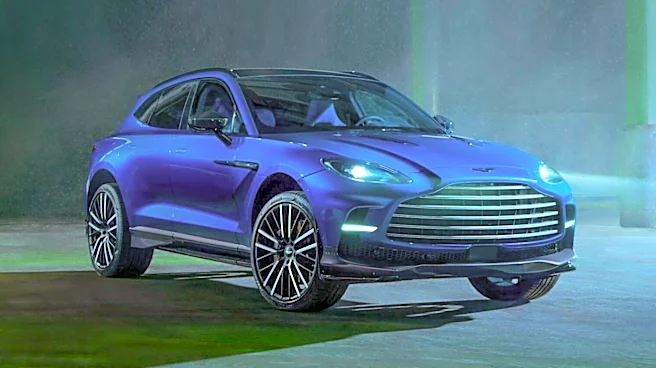
Aston Martin has announced a significant shift in its electrification strategy, pushing back the launch of its first production electric vehicle (EV) to a window between 2033 and 2035. This decision marks a departure from previous plans that aimed for
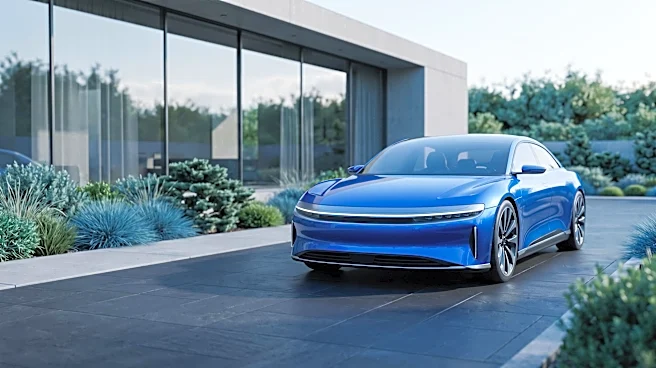
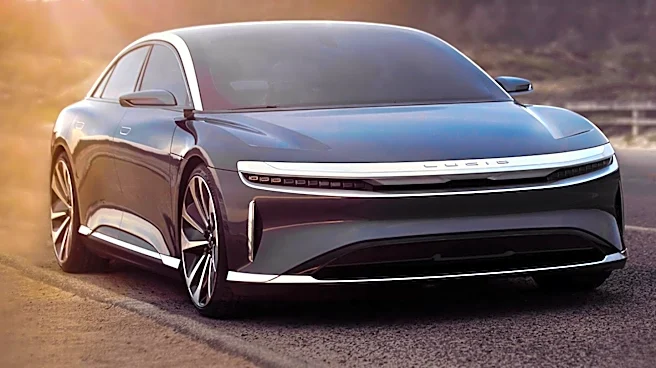
an earlier entry into the ultra-luxury EV market, around 2030. According to CEO Adrian Hallmark, the company now identifies as a 'delayer' of battery-electric vehicles, opting to extend the lifespan of its V8 and V12 combustion engines. The revised strategy emphasizes continued sales of combustion vehicles where regulations permit, expansion of hybrid systems, and leveraging existing partnerships for future EV technology. Aston Martin has a deal with Lucid for access to EV systems and plans to deepen its relationship with Mercedes-Benz for electric powertrains and electronics. Current investment in EVs is described as low-level, focusing on research and study rather than substantial development.
Why It's Important?
This strategic pivot by Aston Martin reflects a broader re-evaluation within the luxury automotive sector regarding the pace and demand for electric vehicles. By delaying its EV launch, Aston Martin aims to preserve flexibility and adapt to evolving market conditions and regulatory landscapes. The company's decision to continue investing in and selling V8 and V12 engines, potentially with hybridization, indicates a belief that a significant segment of its high-end clientele still values traditional internal combustion engines. This approach could allow Aston Martin to avoid premature and potentially costly investments in EV technology that might rapidly become outdated or not meet customer expectations. It also highlights the challenges luxury automakers face in balancing heritage, performance, and the transition to electrification, especially given the high development costs and the need to maintain brand identity. The reliance on partnerships with Lucid and Mercedes-Benz for EV technology suggests a strategy to mitigate R&D expenses while still preparing for a future electric transition.
What's Next?
Aston Martin will continue to focus on its V8 and V12 engine offerings, with plans to keep them compliant through 2035, likely through various forms of hybridization, though plug-in hybrids are less favored due to weight concerns. The company will maintain its 'low-level' investment in EV research and development, using the extended timeline to monitor technological advancements, market demand, and regulatory changes. This allows Aston Martin to make more informed decisions closer to its revised 2033-2035 EV launch window. The partnerships with Lucid and Mercedes-Benz will be crucial for accessing necessary EV components and expertise when the time comes for full-scale electric vehicle development. Future announcements will likely detail the specific hybrid technologies to be integrated into their combustion engine lineup and further clarify the scope of their collaborations for electric powertrains.
Beyond the Headlines
Aston Martin's decision underscores a growing divergence in the automotive industry's approach to electrification, particularly among luxury and performance brands. While many manufacturers are aggressively pursuing an all-electric future, Aston Martin's 'delayer' strategy suggests a more cautious, market-driven approach. This could set a precedent for other niche luxury automakers who may find it more sustainable to extend the life of their iconic combustion engines while carefully observing the EV market's maturity. The emphasis on avoiding the '200kg penalties' of plug-in hybrids also highlights the ongoing tension between regulatory compliance, vehicle performance, and customer experience in the high-performance segment. This strategy could allow Aston Martin to maintain its distinctive driving dynamics and brand appeal for longer, potentially attracting buyers who are not yet ready to fully embrace electric vehicles, while still positioning itself for a future electric transition.