





What's Happening?
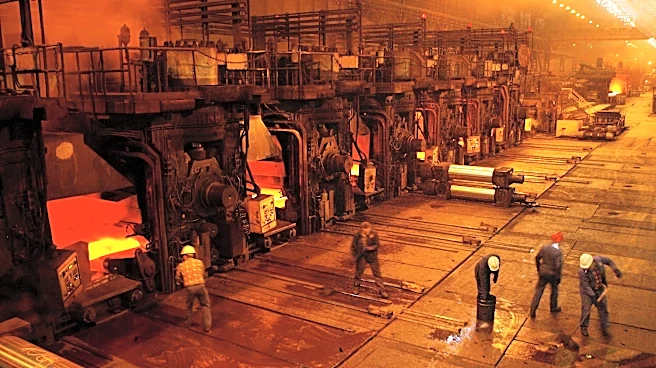
Indonesian nickel smelters are undergoing a significant strategic recalibration, reassessing production targets due to sustained downward pressure on nickel prices. This volatility is driven by a global supply glut, largely from surging Indonesian and
Chinese output, weaker-than-expected demand from the electric vehicle (EV) battery sector, and broader macroeconomic headwinds. Indonesia has become the world's dominant nickel producer, with much of its smelting capacity expanded through partnerships with Chinese industrial groups. This interdependency means that Indonesian government policies, such as export levies and downstream processing mandates, interact with Chinese capital planning, influencing output adjustments. Smelters, particularly smaller and newer operations with high fixed costs, are evaluating options like production curtailment, shifting to higher-value battery-grade products, renegotiating offtake agreements, and deferring expansion capital to manage compressed margins and market uncertainty.
Why It's Important?
This situation is important for the U.S. and global industries because Indonesia's nickel production significantly impacts the global supply chain for critical materials, especially for the burgeoning EV battery market. Price volatility and potential output adjustments in Indonesia can directly affect the cost and availability of nickel for U.S. manufacturers and consumers. The complex interplay between Indonesian government policy and Chinese investment highlights the geopolitical dimensions of critical mineral supply. Any disruption or shift in Indonesian nickel output, influenced by these factors, could lead to supply chain instabilities, affecting U.S. efforts to secure reliable and affordable raw materials for its clean energy transition and advanced manufacturing sectors. The U.S. has a vested interest in diversified and stable supply chains, and the current recalibration in Indonesia underscores the vulnerabilities inherent in concentrated production.
What's Next?
Indonesian smelters are expected to continue evaluating strategic options, with a notable trend towards accelerating the pivot to battery-grade nickel chemicals like mixed hydroxide precipitate and nickel sulfate. This transition, while capital-intensive, aims to tap into the more compelling long-term demand from EV battery supply chains. The Indonesian government may also introduce regulatory responses, such as adjustments to ore royalty rates, production quotas, or fiscal incentives, to support operators. For investors and industry observers, key indicators to watch include inventory levels at major exchange warehouses, the pace of EV adoption globally, and any shifts in Chinese domestic nickel policy. These factors, along with Indonesian ore grade trends and upstream licensing approaches, will directly influence global nickel prices and the resilience of Indonesia's nickel industry, impacting the broader energy transition.
Beyond the Headlines
The situation in Indonesia's nickel industry reveals deeper implications regarding the global energy transition and resource nationalism. Indonesia's strategy of maximizing national resource revenue through value-added processing, rather than raw ore export, is being tested by market realities. This raises questions about the sustainability of rapid capacity expansion and the balance between aspirational development goals and realistic demand growth. The ethical dimension involves ensuring that the pursuit of economic growth through mining and processing does not compromise environmental standards or local community well-being. The legal framework governing foreign investment and resource extraction will also be under scrutiny. Long-term, this scenario could lead to a more diversified and resilient global nickel supply chain if the shift to battery-grade products is successful, or it could exacerbate supply challenges if volatility persists and investment decisions are poorly timed, impacting the pace of global decarbonization efforts.