








What's Happening?
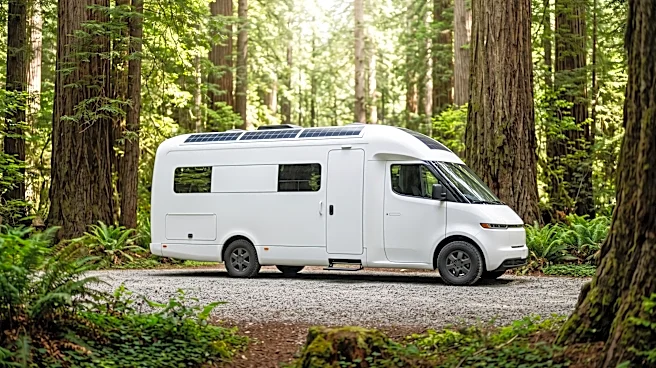
Pebble Flow has launched an all-electric, high-tech RV, the Pebble Flow, now available for overnight stays at Costanoa Lodge & Resort in Pescadero, California. This innovative recreational vehicle aims to combine the comforts of a hotel room with the freedom
of outdoor exploration, addressing common inconveniences associated with traditional camping. The Pebble Flow features an aerodynamic design, a minimalist interior with a soft white color palette, and advanced technology that allows control over temperature, lighting, and windows via an iPad. Its interior includes a full bathroom, a kitchen with a removable induction stovetop, a queen bed, and a dining/workspace area that converts into another full-size bed, accommodating up to four adults. The RV is powered by a 45 kWh battery and solar panels, capable of charging an electric vehicle, and is designed to reduce the carbon footprint compared to conventional RVs. Costanoa Lodge & Resort is currently the exclusive location to experience the Pebble Flow overnight, with strong interest reported by the resort's management.
Why It's Important?
The introduction of the Pebble Flow signifies a notable shift in the outdoor recreation and travel industry, particularly within the U.S. market. By integrating advanced technology and luxury amenities into an all-electric RV, Pebble Flow is targeting a demographic that desires outdoor experiences without sacrificing comfort or convenience. This development could attract a new segment of travelers to camping and RVing, potentially expanding the market beyond traditional enthusiasts. The emphasis on an all-electric design and solar power also aligns with growing consumer demand for sustainable travel options, pushing the industry towards more eco-friendly solutions. For the hospitality sector, partnerships like the one with Costanoa Lodge & Resort demonstrate a new model for offering unique lodging experiences, potentially increasing revenue streams and attracting diverse clientele. The high price point for purchase, starting around $138,000, positions the Pebble Flow as a premium product, indicating a luxury segment within the RV market that prioritizes innovation and environmental consciousness.
What's Next?
Following its debut at Costanoa Lodge & Resort, the Pebble Flow is expected to generate significant interest, with a waitlist already forming for those looking to experience or purchase the RV. The success of this initial offering could pave the way for broader availability at other high-end resorts or through direct sales channels across the U.S. The company may explore expanding its production to meet demand, potentially leading to job creation in manufacturing and technology sectors. Competitors in the RV and outdoor recreation industries will likely monitor the Pebble Flow's performance, possibly inspiring similar innovations in electric and luxury camping solutions. Furthermore, the integration of advanced smart home technology within an RV could set new industry standards for convenience and user experience, influencing future designs and features in the mobile living space. The focus on sustainability could also prompt regulatory bodies to consider new incentives or standards for electric recreational vehicles.
Beyond the Headlines
The Pebble Flow's emergence reflects a broader cultural trend towards 'glamping' and luxury outdoor experiences, where individuals seek a deeper connection with nature without foregoing modern comforts. This trend challenges traditional notions of camping as a rugged, minimalist activity, suggesting a redefinition of outdoor adventure for a tech-savvy and comfort-oriented generation. The RV's design, inspired by elements like a 'Mars Rover' and Bay Area tech aesthetics, highlights a fusion of innovation, design, and environmental consciousness. This could lead to a re-evaluation of how technology can enhance, rather than detract from, outdoor experiences. Moreover, the ability to charge an electric vehicle using the RV's battery and solar panels points to a future where recreational vehicles are not just modes of transport and accommodation but also mobile energy hubs, contributing to a more decentralized and sustainable energy ecosystem. This development could influence urban planning and infrastructure, particularly in supporting off-grid living and sustainable tourism.