






What's Happening?
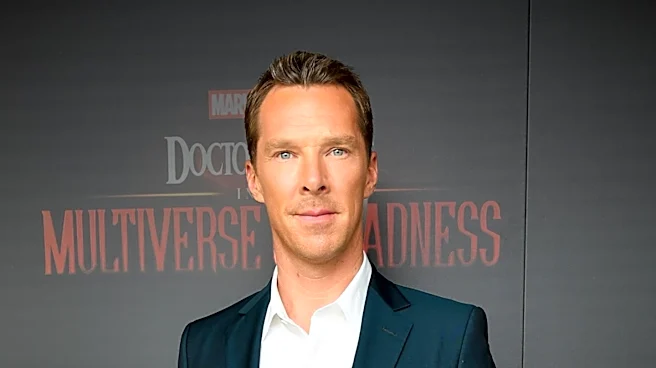
Benedict Cumberbatch has narrated the new film 'How To Live On Earth,' which highlights the story of Park Hyun-soo. Park Hyun-soo, a former corporate professional in South Korea, experienced a profound healing journey through nature after being diagnosed
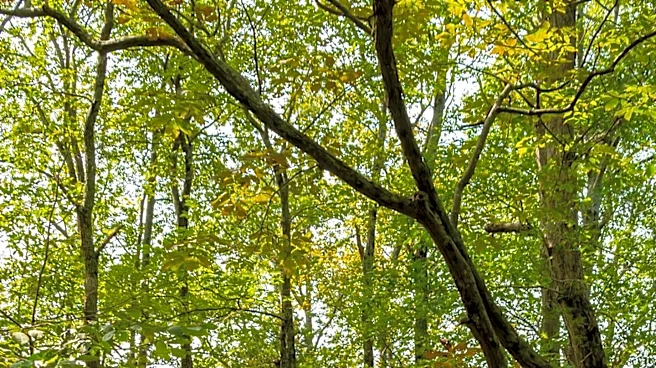
with leukemia. Following his diagnosis, he spent three years walking daily among cypress trees in a forest. This forest, which had been replanted by hand after being destroyed in the Second World War, now boasts two and a half million trees. Park Hyun-soo is currently in remission and works as a forest healing instructor, aiming to connect people with nature. The film underscores the scientific basis for nature's healing properties, citing Dr. Qing Li's research on how time spent among trees can boost natural killer cells, which are crucial for the immune system. This effect is partly attributed to the natural oils trees release, which are inhaled during forest walks, thereby aiding human immunity.
Why It's Important?
The film 'How To Live On Earth,' narrated by Benedict Cumberbatch, brings to light the growing recognition of nature's therapeutic benefits, particularly in the context of health and well-being. This narrative is significant as it promotes a holistic approach to health, integrating environmental interaction with conventional medical treatments. For the U.S., where chronic stress and lifestyle-related illnesses are prevalent, the film could inspire greater public interest in 'forest bathing' and similar nature-based therapies. It highlights the potential for environmental conservation efforts, such as reforestation, to directly contribute to public health outcomes. The story of Park Hyun-soo serves as a powerful testament to the restorative power of nature, potentially influencing healthcare providers and policymakers to consider nature prescriptions or integrate green spaces into urban planning for public health. Furthermore, the involvement of a prominent figure like Benedict Cumberbatch amplifies the message, drawing a wider audience to the importance of reconnecting with the natural world.
What's Next?
The release of 'How To Live On Earth' could catalyze increased awareness and adoption of nature-based wellness practices in the U.S. It may encourage individuals to seek out local parks, forests, and green spaces for their mental and physical health. Healthcare professionals might explore incorporating 'nature prescriptions' into patient care, drawing inspiration from the film's message and the scientific evidence presented. Environmental organizations could leverage the film's popularity to advocate for greater investment in urban greening projects and the preservation of natural habitats, framing these efforts as essential for public health. Additionally, the film could spark further research into the specific mechanisms through which nature impacts human health, potentially leading to more structured and evidence-based nature therapy programs. The narrative may also influence educational curricula to include environmental health and the benefits of outdoor engagement.
Beyond the Headlines
The film's exploration of Park Hyun-soo's journey transcends a simple health narrative, touching upon deeper societal implications regarding our relationship with the environment. It implicitly critiques the high-pressure corporate lifestyles prevalent in many developed nations, including the U.S., which often lead to burnout and health crises. By showcasing a forest that was once destroyed and then meticulously replanted, the film also subtly highlights themes of ecological resilience and humanity's capacity for restorative action. This narrative suggests a cultural shift towards valuing ecological health as intrinsically linked to human health, moving beyond purely economic or recreational views of nature. The story encourages a re-evaluation of modern living, prompting individuals and communities to consider how their daily environments and choices impact their well-being, fostering a more symbiotic relationship between humans and the natural world. It underscores the ethical responsibility to protect and restore natural environments for future generations' health and well-being.