





What's Happening?
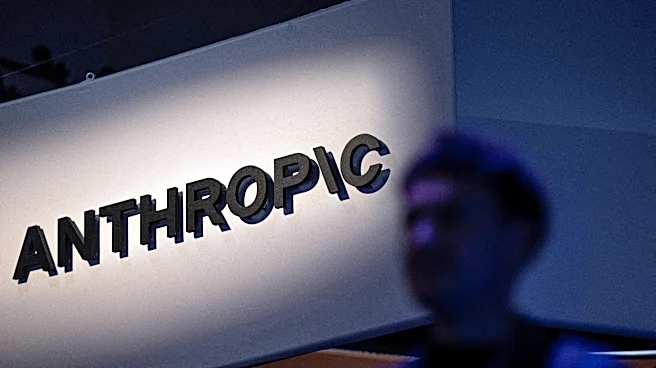
Bitget, a cryptocurrency exchange, is expanding access to investment opportunities in Anthropic's Initial Public Offering (IPO) through its Prime IPO program. This initiative aims to allow eligible users to participate in the IPO of Anthropic, an artificial
intelligence company, capitalizing on the high investor interest in the AI sector. Anthropic filed its IPO document on October 26, 2026, with a revised submission on November 2, 2026, and its valuation is estimated to potentially reach $1.75 trillion, though final figures are not yet announced. Bitget's Prime IPO program offers two booking schemes: a VIP round from November 5-9, 2026, with a total booking limit of $1 billion and individual limits up to $3 million, and a Public round starting November 10, 2026, with a $200 million total limit and individual limits up to $25,000. Users can make payments using USDT or USDGO. This expansion follows Bitget's previous offerings for SpaceX and OpenAI, signaling its move beyond crypto asset trading to token-based access to traditional financial markets.
Why It's Important?
Bitget's move to offer access to Anthropic's IPO signifies a growing trend of cryptocurrency platforms bridging the gap between traditional finance and digital assets. By tokenizing IPO investments, Bitget is democratizing access to high-growth opportunities that were historically limited to institutional investors and high-net-worth individuals. This could significantly impact the investment landscape by allowing a broader range of retail investors to participate in lucrative tech IPOs, particularly in the booming AI sector. The high valuation of Anthropic underscores the market's confidence and speculative interest in artificial intelligence, making such investment opportunities highly sought after. For Bitget, this expansion enhances its service offerings, potentially attracting a new segment of investors interested in diversified portfolios that include both crypto and traditional market assets. This strategy could also influence other crypto exchanges to explore similar models, further integrating digital asset platforms into the mainstream financial ecosystem.
What's Next?
Following the VIP and Public booking rounds, Bitget will allocate underlying shares through designated brokers and custodian partners, subsequently issuing rANT tokens to eligible users. The completion of transactions for the VIP round is expected within three to five business days post-IPO, while the Public round aims for trading access on the listing day. The success of this offering could pave the way for Bitget to introduce more tokenized investment opportunities in other high-profile companies, further solidifying its 'Universal Exchange' concept. Investors will closely watch Anthropic's official valuation and IPO performance, as it will serve as a benchmark for future AI company listings and the viability of tokenized IPO access. The regulatory landscape for such hybrid investment products may also evolve as these offerings become more prevalent, potentially leading to new guidelines for crypto platforms facilitating access to traditional securities.
Beyond the Headlines
The tokenization of IPO investments, as facilitated by Bitget, represents a significant evolution in financial market access, blurring the lines between traditional securities and digital assets. This model could democratize investment opportunities but also introduces new complexities regarding regulatory oversight, investor protection, and the underlying mechanics of token ownership versus direct share ownership. The issuance of rANT tokens, representing underlying shares, creates a synthetic exposure that might appeal to crypto-native investors but could also pose liquidity and redemption challenges. Furthermore, the 'AI fever' driving these valuations raises questions about market bubbles and the sustainability of such rapid growth. The long-term implications include a potential shift in how IPOs are conducted and accessed globally, with blockchain technology offering new avenues for capital formation and investor participation, while simultaneously demanding robust frameworks to manage associated risks and ensure market integrity.