





What's Happening?
Homeowners in Austin are being advised to consider their personal lifestyle, home layout, and specific needs when planning backyard landscaping projects. Key factors to take into account include how the space will be used for entertaining, privacy, or relaxation.
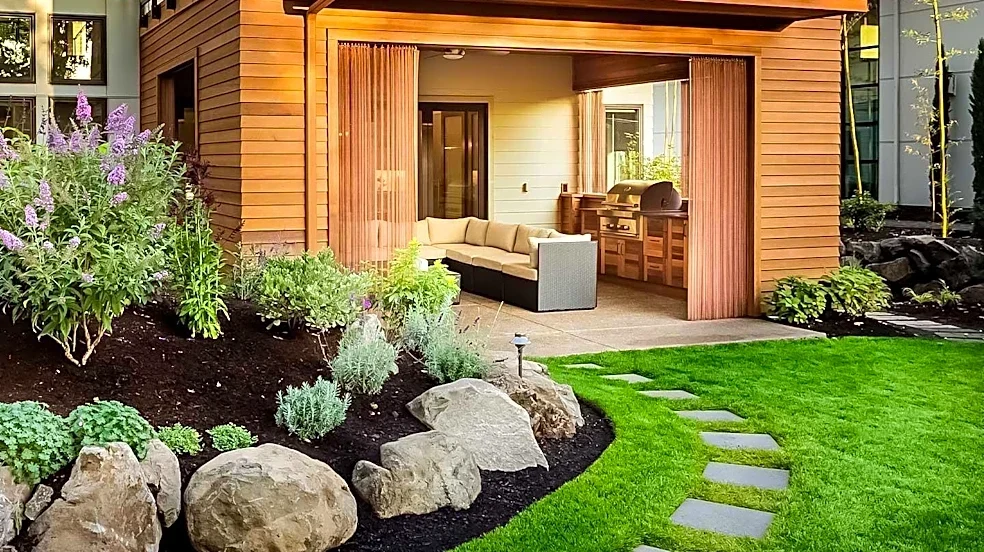
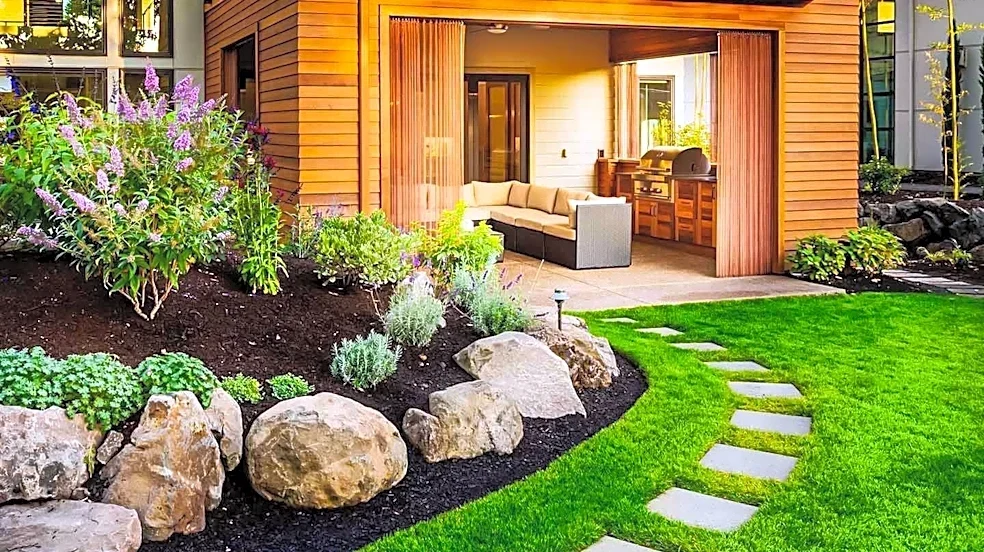
The design process should also incorporate considerations for sunlight exposure, maintenance preferences, and proper drainage. For properties with sloped backyards, recommendations include utilizing desert-adapted trees and low-growing succulents. To mitigate tick habitats, homeowners are encouraged to implement wood-chip barriers, manage leaf litter, ensure adequate sunlight penetration, and keep firewood dry. Privacy can be enhanced through the strategic planting of tall evergreens or ornamental grasses to block views from neighboring properties. Functional additions like outdoor kitchens, dedicated play areas, and pool surrounds with non-slip paving and shaded seating are also suggested to maximize usability.
Why It's Important?
Effective backyard landscaping in Austin is important for several reasons, impacting both individual homeowners and the broader community. For homeowners, a well-designed backyard enhances property value, improves quality of life, and provides a functional outdoor extension of their living space. Considering factors like drainage and tick prevention contributes to public health and safety, reducing potential environmental hazards. The emphasis on native or adapted plants, such as desert-adapted trees and succulents, promotes water conservation, which is crucial in regions prone to drought. Furthermore, creating private and functional outdoor 'rooms' caters to diverse lifestyle needs, from family entertainment to personal relaxation, fostering a sense of well-being. The advice also highlights sustainable practices that can reduce long-term maintenance costs and environmental impact, benefiting both the homeowner's wallet and the local ecosystem.
What's Next?
Homeowners in Austin considering backyard landscaping projects are encouraged to begin by assessing their current space and defining their desired usage. The next steps would involve consulting with landscape designers or utilizing AI-powered design tools to visualize potential layouts and plant selections. Implementing the suggested strategies for tick habitat reduction and water-wise planting will be an ongoing process, requiring consistent effort. For those planning more extensive renovations, securing appropriate permits and coordinating with contractors will be necessary. The continued focus on sustainable and functional outdoor spaces is likely to influence local landscaping trends, with an increased demand for drought-tolerant plants and multi-purpose outdoor living areas. Community workshops or resources on sustainable landscaping practices may also become more prevalent to support homeowners in making informed decisions.
Beyond the Headlines
Beyond the immediate practicalities of backyard design, the advice for Austin homeowners reflects a broader shift towards integrating environmental consciousness with personal living spaces. The emphasis on tick prevention and water conservation speaks to growing public awareness of ecological challenges and the desire for resilient home environments. This trend extends beyond individual properties, influencing urban planning and local ordinances that may encourage or mandate sustainable landscaping practices. The concept of treating backyards as 'outdoor rooms' also signifies a cultural evolution in how Americans view and utilize their homes, blurring the lines between indoor and outdoor living. This holistic approach to home design, which considers both aesthetic appeal and ecological responsibility, is likely to shape future residential development and lifestyle choices in urban and suburban areas across the U.S.