

What's Happening?
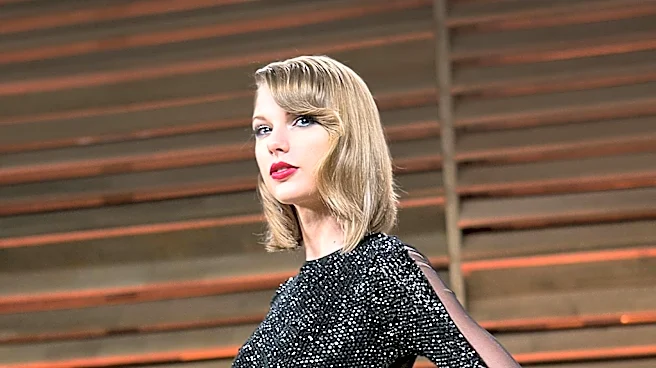
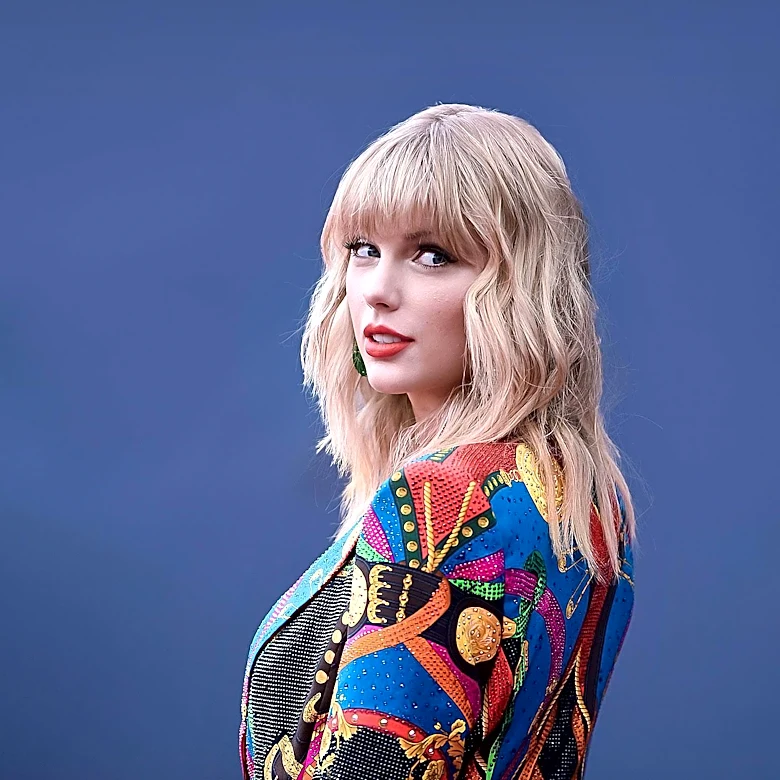
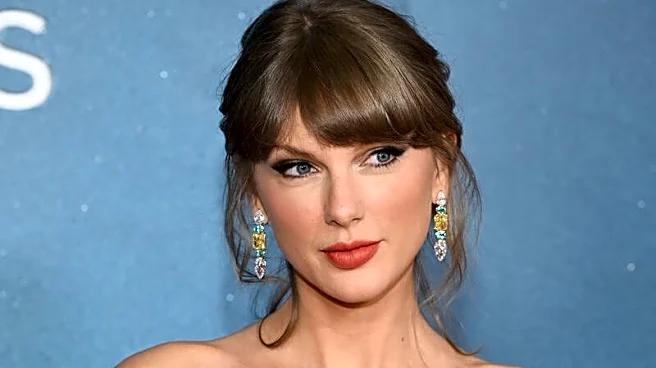
A November 2026 Vanity Fair profile titled 'The Mastermind' has brought forth allegations of retaliation, manipulation, and social exclusion against Taylor Swift. Journalist May Jeong interviewed over 100 individuals connected to Swift's life and career
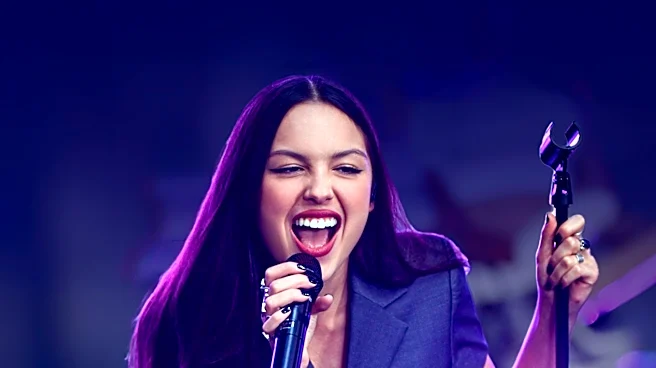
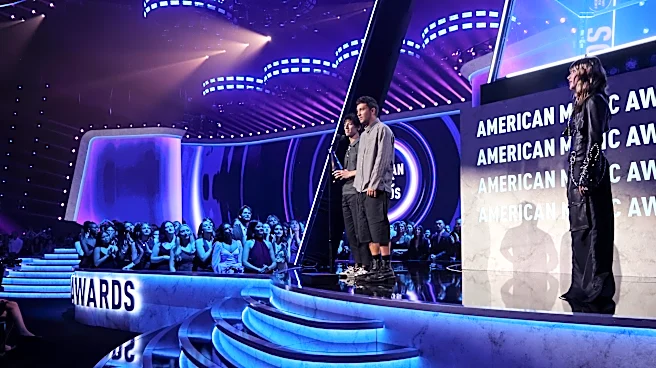
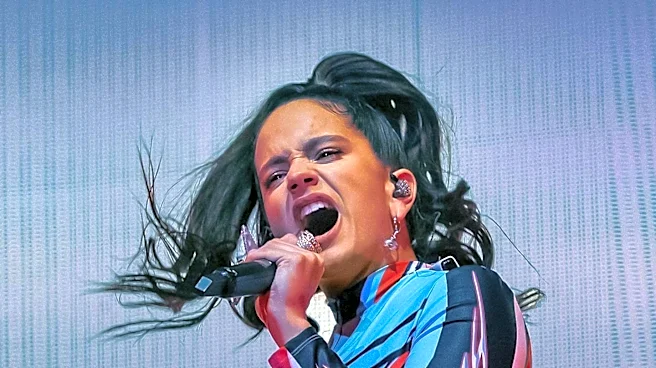
for the article. Swift declined to participate in the profile. One industry executive reportedly described Swift as 'truly Regina George,' referencing the character from 'Mean Girls.' The report challenges Swift's public image, which often centers on themes of friendship and female empowerment. It also examines alleged tensions with other musicians, including Charli XCX and Olivia Rodrigo, suggesting that Swift's public support for artists may not always align with her private sentiments. The article claims that disagreements with Swift can lead to loss of friendships and career opportunities, and that musicians associated with her may avoid collaborating with her perceived rivals. Additionally, a music critic reportedly lost friendships after publishing an unfavorable review of Swift's work.
Why It's Important?
This report is significant because it challenges the carefully cultivated public persona of one of the most influential figures in the music industry. Taylor Swift's image as an advocate for female empowerment and an underdog who overcame bullying has been a cornerstone of her brand and a major factor in her widespread appeal. Allegations of manipulation and social exclusion, if widely accepted, could impact public perception of her authenticity and leadership within the industry. For other artists, the claims suggest a potentially restrictive environment where aligning with Swift's perceived rivals could carry professional consequences. This could influence collaboration dynamics and artistic freedom within the music community. Furthermore, the article touches on the behavior of some of Swift's fans, known as 'Swifties,' highlighting the potential for aggressive online harassment directed at individuals connected to Swift's personal life, such as Travis Kelce's ex, Kayla Nicole. This raises broader questions about celebrity influence and fan culture.
What's Next?
The Vanity Fair profile is likely to spark further discussion and debate among fans, media, and industry insiders regarding Taylor Swift's character and influence. While Swift declined to comment for the article, her team or representatives may choose to address the allegations in the future. The report could prompt increased scrutiny of her past actions and relationships within the music industry. It may also lead to a re-evaluation of how celebrity narratives are constructed and consumed, particularly when they are challenged by investigative journalism. The ongoing online harassment faced by individuals like Kayla Nicole, as detailed in the article, may also draw more attention to the responsibilities of fan communities and the impact of online behavior. The music industry might also face pressure to address power dynamics and potential exclusionary practices if these allegations gain wider traction.
Beyond the Headlines
The allegations in the Vanity Fair profile delve into the complex interplay between celebrity, public image, and power dynamics within the entertainment industry. It highlights the potential for a significant disconnect between a star's carefully crafted public persona and their private conduct, raising ethical questions about authenticity and accountability. The 'Regina George' comparison suggests a darker side to influence, where social capital can be wielded to control narratives and relationships. This situation also underscores the challenges faced by journalists in reporting on powerful figures, especially when those figures decline to participate. Moreover, the article implicitly explores the phenomenon of parasocial relationships between celebrities and their fans, and how intense fan loyalty can sometimes manifest as aggressive behavior towards perceived adversaries. This raises broader societal questions about online harassment, the weaponization of fan bases, and the responsibility of public figures to address the conduct of their most ardent supporters.