
What's Happening?
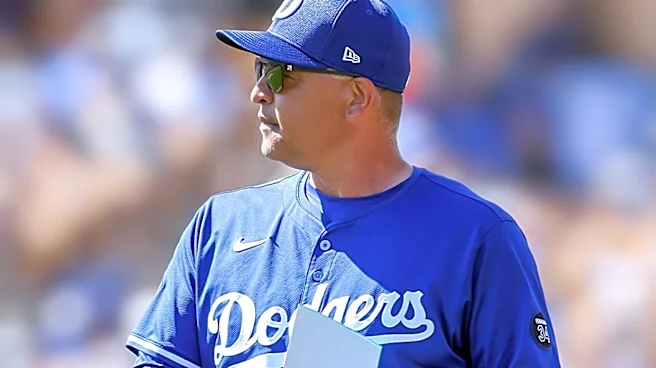
The Los Angeles Dodgers are actively seeking to acquire a high-end, versatile position player to better manage the workloads of key veteran hitters like Freddie Freeman, Mookie Betts, and Max Muncy. This strategic move aims to prevent their most important
players from entering the postseason physically diminished, a factor believed to have contributed to their disappointing October exit. Freddie Freeman, for instance, played in 153 games during the 2026 regular season, making 152 appearances at first base, and dealt with patellar tendinitis. The ideal player would be capable of starting at first base when Freeman rests, playing other infield or outfield positions, receiving regular plate appearances without needing an everyday job at one position, and producing sufficient offense to be valuable in October. The presence of Shohei Ohtani as the primary designated hitter limits the option of resting Freeman's legs by moving him to DH, necessitating a true first base replacement. The Dodgers are not merely looking for a traditional backup but an impact bat that can strengthen the lineup even when veterans are resting.
Why It's Important?
This strategic shift by the Dodgers highlights a growing trend in professional sports: prioritizing player health and workload management to optimize performance during critical postseason periods. For the Dodgers, a team with an aging core (averaging 30.9 years old in 2026, the highest in MLB), this approach is crucial for sustained success. By acquiring a versatile hitter, they aim to proactively schedule rest days, reduce the physical toll on their stars, and maintain offensive depth across the lineup. This could set a new standard for how elite teams manage their rosters, emphasizing long-term player health over maximizing regular-season appearances. The move also reflects an acknowledgment that relying solely on star players for an entire season can lead to burnout and underperformance when it matters most, impacting team competitiveness and potentially influencing player acquisition strategies across the league.
What's Next?
The Dodgers will likely continue to scout and negotiate for a versatile, high-end position player in the offseason. While no specific player has been identified, their criteria suggest a focus on players with multi-positional flexibility and proven offensive capabilities. This search will be influenced by the recovery timeline of Dalton Rushing, who underwent offseason elbow surgery, as he was a potential internal solution for first base depth. The team will need to balance acquiring a veteran with their desire to integrate younger talent, ensuring the new addition complements rather than blocks developing players. The success of this strategy will be measured by the team's ability to keep its core players fresh and performing at their peak through the entire season and into the postseason, potentially influencing their trade deadlines and free agency decisions in the coming months.
Beyond the Headlines
The Dodgers' pursuit of a versatile player goes beyond simple roster filling; it signifies a deeper organizational commitment to sports science and player longevity. This approach acknowledges the intense physical demands of a long baseball season and the increasing importance of data-driven workload management. It also reflects a cultural shift in how teams view their star players—not just as performers to be utilized every day, but as valuable assets whose careers need to be managed strategically. This could lead to broader changes in player development, training regimens, and even contract negotiations, with more emphasis placed on rest clauses or performance incentives tied to health metrics. The ethical implication is a greater responsibility for teams to protect their athletes, potentially extending careers and enhancing overall player welfare, while also aiming for peak performance in high-stakes moments.