

What's Happening?
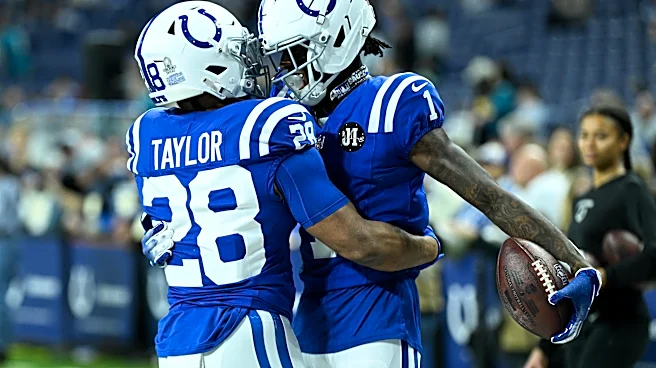
The Indianapolis Colts are facing significant criticism for their decisions at the 2026 trade deadline, particularly for not trading running back Jonathan Taylor and quarterback Daniel Jones. According to CBS Sports, the team's strategy of a 'semi-fire
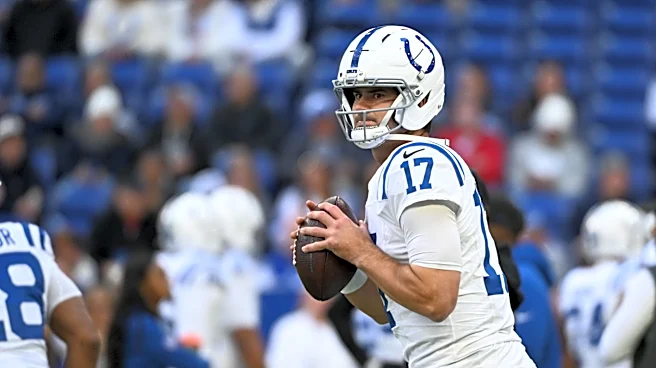
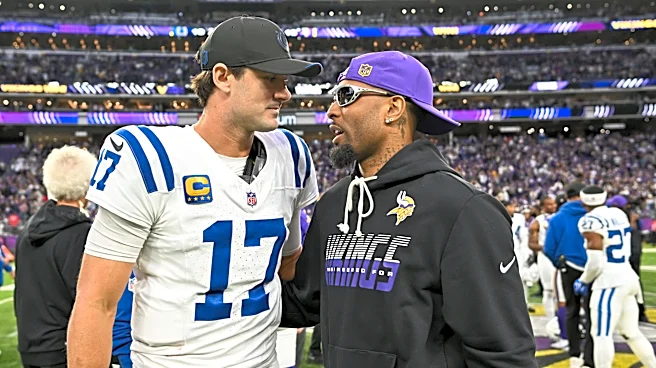
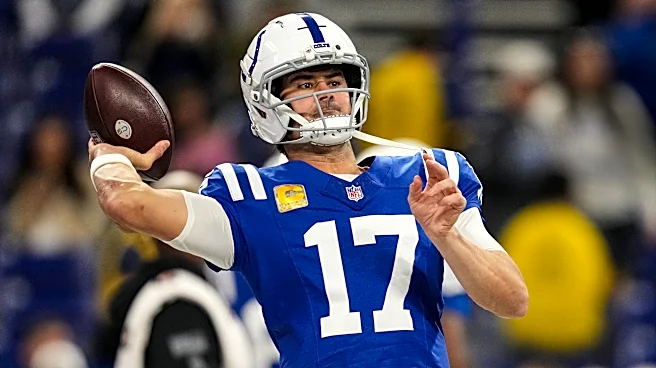
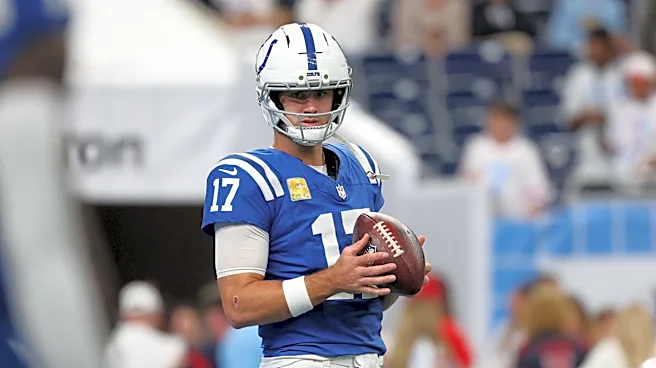
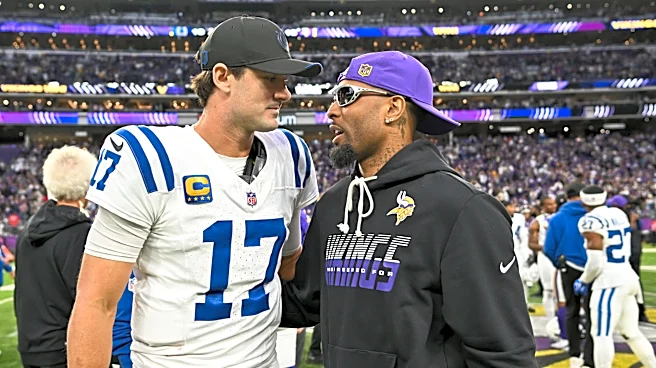
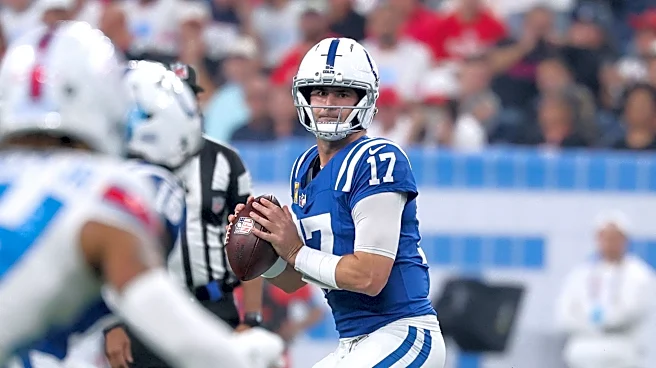
sale' by moving some expendable pieces while retaining key players like Taylor and Jones has been deemed a misstep. Less than two weeks after the deadline, the Colts waived quarterback Daniel Jones following a demoralizing Week 11 loss to the Houston Texans, which dropped their record to 3-8. This move comes after the Colts reportedly rebuffed trade interest for Jones from teams such as the Minnesota Vikings and Baltimore Ravens. The decision to hold onto Jones, who was signed to a two-year, $88 million extension, will result in a $35.2 million dead cap hit for 2027 and a payment of $49.8 million for his 11 games played this season. Jonathan Taylor, considered a highly sought-after trade asset, was also not moved, a decision that is now being questioned as the team enters a rebuild.
Why It's Important?
The Colts' trade deadline decisions have significant implications for the team's future and financial health. By not trading Daniel Jones, the organization incurred a substantial dead cap hit, limiting future financial flexibility. This mismanagement of assets, as highlighted by CBS Sports, suggests a lack of a clear long-term strategy, especially given the team's current rebuilding phase. The failure to trade Jonathan Taylor, who was at his peak trade value, means the Colts may receive a diminished return if they attempt to trade him in the offseason, as he will be older and have more mileage. This situation underscores the challenges faced by NFL franchises in balancing competitive aspirations with strategic asset management, particularly when navigating a rebuild. The decisions made at the deadline could prolong the team's rebuilding process and impact their ability to acquire premium draft capital or free agents in the coming years.
What's Next?
The Indianapolis Colts are expected to continue their rebuilding efforts, which may include further significant changes. The waiving of Daniel Jones is seen as an initial step in this process. Future actions could involve the potential trading of Jonathan Taylor in the offseason, though the return for him may be less than what could have been secured at the trade deadline. The organization also faces the prospect of hiring a new General Manager, following the firing of Chris Ballard in mid-October, and potentially making changes to the coaching staff, such as Shane Steichen. The immediate focus will likely be on developing a more definitive and realistic plan for the team's future to avoid similar 'second guesses' in subsequent seasons. The financial implications of Jones's contract will also need to be managed as the team looks to retool its roster.
Beyond the Headlines
The Colts' situation reflects a broader trend in professional sports where teams struggle with the timing and execution of rebuilds. The reluctance to fully commit to either competing or rebuilding can lead to a 'middle-of-the-road' outcome, which often proves detrimental in the long run. The decision to hold onto high-value assets like Jonathan Taylor, despite clear signals of a rebuilding phase, highlights the tension between short-term competitive desires and long-term strategic planning. This scenario also brings into focus the financial complexities of NFL contracts, where guaranteed money and dead cap space can significantly impact a team's ability to pivot. The public and media scrutiny following such decisions can also place immense pressure on team management, potentially influencing future strategic choices and accountability within the organization.