




What's Happening?
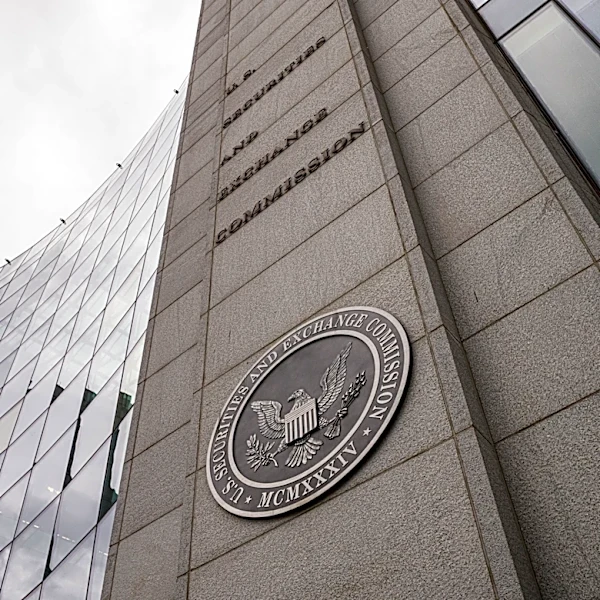
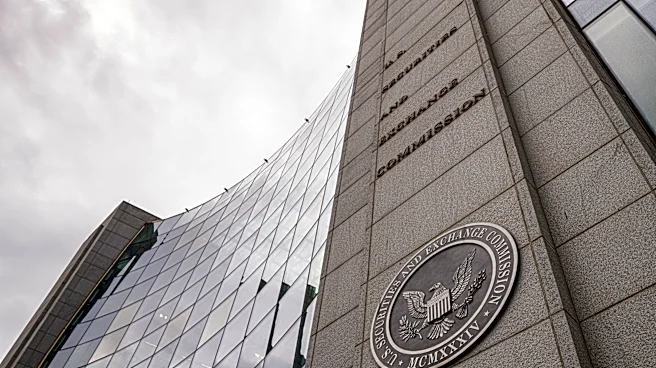
Federal authorities, including the Securities and Exchange Commission and the U.S. Attorney’s Office in Manhattan, are investigating approximately $24 billion in loans tied to Walter and his companies. These loans were placed on the books of two Delaware-based
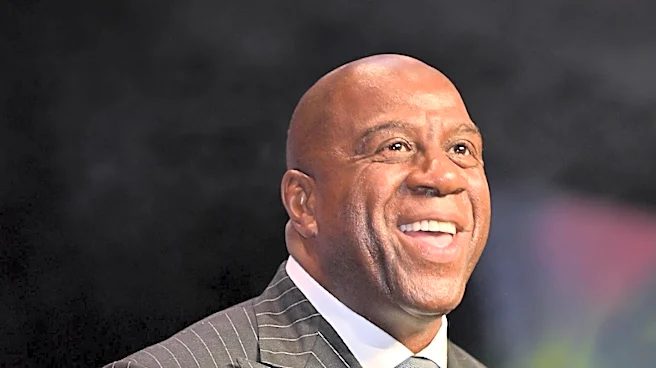
insurers owned by Walter’s holding company, TWG Global: Delaware Life and Clear Spring Life and Annuity. The Delaware insurance department has stated that the companies, their auditors, and regulators were intentionally misled, and is conducting its own parallel investigation. Walter's insurers are now divesting billions of dollars in investments held in Walter-controlled businesses, leading to the sale of prized holdings, including the Lakers, for $12.5 billion. Additionally, an analysis indicates that over $43 billion went to Walter-affiliated businesses from EquiTrust and Heritage Life. While Johnson is not accused of wrongdoing, his extensive business dealings with Walter, particularly through his ownership of EquiTrust, are under scrutiny. Johnson sold EquiTrust to Amistad Financial late last year and is now an investor in Amistad, which is one of four businesses being investigated as intermediaries in Walter’s insurance-company borrowing.
Why It's Important?
This investigation highlights potential conflicts of interest and regulatory compliance issues within the insurance industry, particularly concerning affiliated investments. The practice of insurers lending to companies affiliated with their owners, while permissible under state regulatory limits, requires disclosure due to the potential for conflicts. The alleged misleading of regulators and auditors, as stated by the Delaware insurance department, could lead to significant repercussions for the involved companies and individuals. For Johnson, whose brand is central to his business success, the federal scrutiny poses a risk to his reputation, even without accusations of wrongdoing. The forced sale of assets like the Lakers by Walter to raise capital demonstrates the financial impact of such investigations on large-scale business operations and investments. The situation also raises questions about the oversight mechanisms within the insurance sector and the effectiveness of state-level regulations in preventing such alleged misconduct.
What's Next?
The federal investigation by the SEC and the U.S. Attorney’s Office in Manhattan is ongoing, as is the parallel investigation by the Delaware insurance department. Walter’s insurers, Delaware Life and Clear Spring Life and Annuity, are in the process of substantially reducing their investments in Walter-controlled businesses, which will likely involve further asset sales. The outcome of these investigations could lead to legal actions, fines, and significant changes in regulatory compliance for the involved entities. Johnson, while not accused of wrongdoing, may face continued scrutiny regarding his past business dealings with Walter. The four businesses identified as intermediaries in Walter’s insurance-company borrowing, including Amistad Financial, will likely be subject to further examination. The insurance industry as a whole may see increased regulatory oversight and stricter enforcement of rules regarding affiliated transactions and disclosures in response to these developments.
Beyond the Headlines
The unfolding investigation into Walter's insurance dealings and its intersection with Johnson's business empire reveals deeper implications regarding transparency and accountability in complex financial structures. The alleged intentional misleading of regulators underscores a potential systemic vulnerability in oversight mechanisms, where intricate financial relationships can obscure the true nature of transactions. This case could prompt a re-evaluation of how affiliated investments are defined, monitored, and disclosed across state lines, especially given the differing regulatory limits (e.g., Arizona's 10% limit for a single borrower). The involvement of high-profile figures like Johnson, even without direct accusations of wrongdoing, highlights the reputational risks associated with business partnerships that become entangled in financial investigations. This situation could lead to a broader discussion on ethical responsibilities of investors and executives in ensuring due diligence and adherence to regulatory frameworks, even when not directly involved in operational decisions.