






What's Happening?
Trafigura, in collaboration with the Egyptian Aluminium Company (Egyptalum) and the Metallurgical Industries Holding Company (MIH), has entered into exclusive negotiations to develop a new aluminium smelter project at the Nag Hammadi industrial complex
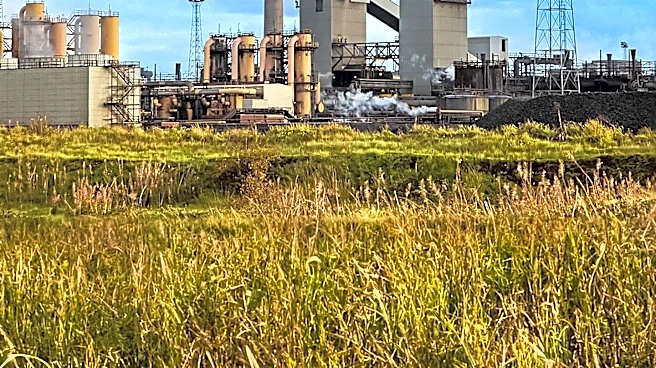
in Upper Egypt. The project involves the construction of a 300,000 tons per year primary aluminium smelter and a 150,000 tons per year anode plant. This initiative aims to nearly double the current aluminium production capacity at the site. Trafigura is expected to participate as a minority equity investor, debt provider, and long-term offtake counterparty. The project is part of Trafigura's strategy to secure long-term metal flows for its global customers. The existing smelter at the site is powered by hydroelectric energy from the Aswan High Dam.
Why It's Important?
The development of the new aluminium smelter in Egypt is significant for several reasons. Firstly, it represents a substantial investment in Egypt's industrial sector, with estimated costs ranging from $750 million to $900 million. This project could enhance Egypt's position in the global aluminium market by increasing its production capacity. Additionally, the involvement of Trafigura, a major player in the commodities trading sector, underscores the strategic importance of securing reliable metal supplies amid fluctuating global demand. The project also highlights the potential for increased economic collaboration between international companies and Egyptian state-owned enterprises, which could lead to further industrial development and economic growth in the region.
What's Next?
The next steps involve the establishment of a new company to build, own, and operate the aluminium smelter and anode plant. As negotiations continue, stakeholders will likely focus on finalizing the terms of investment and operational logistics. The project's progress will be closely monitored by industry analysts and investors, given its potential impact on the aluminium market and regional economic development. Additionally, the project's reliance on hydroelectric power aligns with global trends towards more sustainable industrial practices, which may attract further interest from environmentally conscious investors.