






What's Happening?
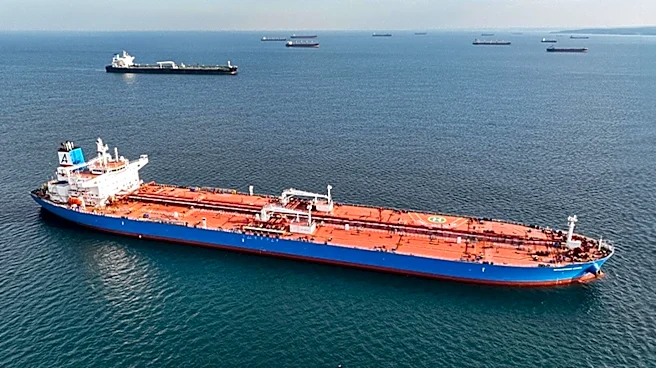
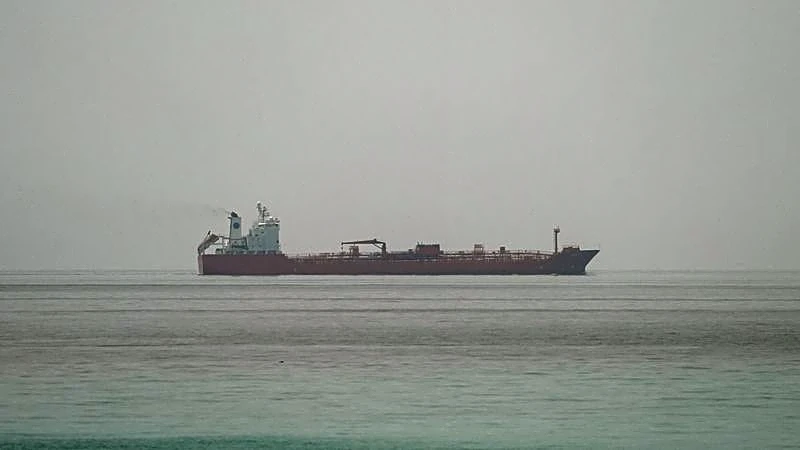
Insurance costs for vessels transporting oil across the Black Sea have dramatically increased from approximately $200,000 to $2.5 million per ship in recent months. This surge, reported by Evgeni Simeonov, Lukoil's special commercial manager in Bulgaria,
to Bulgarian National Television, is attributed to mounting risks to commercial shipping following repeated attacks on vessels and port infrastructure. The London marine insurance market expanded its high-risk reporting requirements for the Black Sea in September to cover the entire basin, although territorial waters of neighboring countries like Bulgaria, Romania, Georgia, and Turkey remain exempt. The increase in insurance costs adds significant pressure on crude transportation expenses and fuel prices in Bulgaria. Despite these challenges, Bulgaria's Burgas refinery has continued to receive crude shipments and has secured supplies through early December. Simeonov also defended Bulgaria's decision to lift restrictions on diesel exports, arguing that preventing the refinery from selling surplus production abroad could lead to reduced crude processing as storage facilities fill up, potentially impacting the production of other petroleum products like gasoline and aviation fuel.
Why It's Important?
The substantial increase in Black Sea oil shipping insurance costs has direct implications for global energy markets and U.S. consumers, even though the immediate impact is felt in the region. Higher transportation costs for crude oil in a critical shipping lane contribute to elevated global fuel prices, which can translate to increased costs at the pump for American consumers. This situation underscores the interconnectedness of global energy supply chains and how regional conflicts or instability can ripple through international markets. For U.S. industries reliant on stable energy prices, such as manufacturing and transportation, these rising costs can lead to higher operational expenses and potentially impact profitability. The situation also highlights the vulnerability of global trade routes to geopolitical tensions and the subsequent financial burdens placed on shipping and insurance sectors, ultimately affecting the end consumer through higher prices for goods and services.
What's Next?
The ongoing volatility and increased risks in the Black Sea region suggest that insurance costs for oil shipments are likely to remain elevated in the near term. Stakeholders, including shipping companies, insurers, and energy producers, will continue to monitor the security situation closely. The potential for further attacks on commercial vessels could lead to additional increases in insurance premiums or even a reluctance by some insurers to cover voyages in the region, further disrupting supply chains. Governments and international bodies may explore measures to enhance maritime security in the Black Sea to mitigate these risks. For Bulgaria, the decision to maintain diesel exports will be crucial for the Burgas refinery's operational continuity and the broader supply of petroleum products. The long-term impact will depend on the resolution of the underlying conflicts and the establishment of more stable and secure shipping conditions in the region.
Beyond the Headlines
The surge in Black Sea oil shipping insurance costs reflects a broader trend of increasing risk premiums in global maritime trade, driven by geopolitical instability and conflict. This situation raises questions about the long-term sustainability of current shipping routes and the potential for rerouting or alternative energy supply strategies. The economic burden of these increased costs is not merely financial; it also encompasses the psychological impact on crews and the operational complexities for shipping companies navigating dangerous waters. Furthermore, it highlights the critical role of the insurance industry in enabling global trade, and how its risk assessments can significantly influence market dynamics and energy security. The incident also underscores the need for international cooperation in safeguarding maritime commerce and addressing the root causes of regional conflicts that threaten vital trade arteries.