
What's Happening?
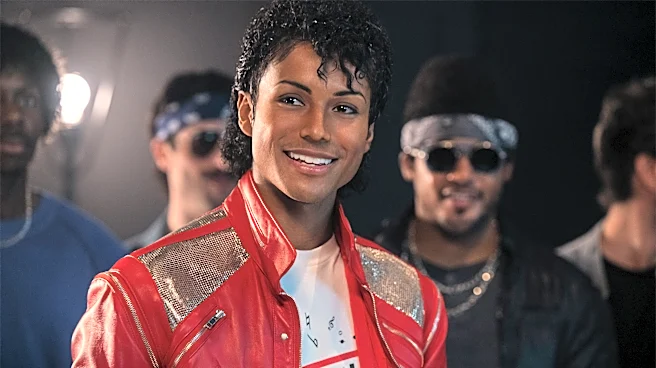
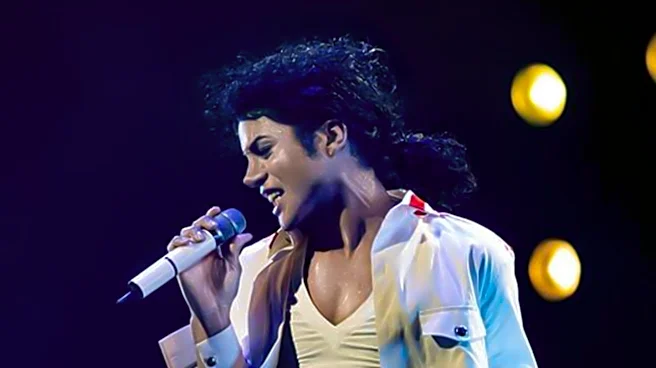
Jaafar Jackson, portraying his uncle Michael Jackson in the upcoming biopic 'Michael,' encountered significant vocal challenges during the film's production. In an interview with The Los Angeles Times,
Jackson specifically recalled the difficulty of filming the 'Don't Stop 'Til You Get Enough' scene. He explained that singing the song entirely in falsetto for the scene, which depicts Michael Jackson in the recording booth with Quincy Jones and engineer Bruce Swedien, led to him losing his voice the very next day. This experience provided him with a deeper appreciation for the extensive work involved in creating Michael Jackson's music. Despite the vocal strain, Jackson found the process rewarding, particularly the opportunity to attempt to match his uncle's vocal ability during that specific period, as 'Don't Stop 'Til You Get Enough' was one of Michael Jackson's favorite early compositions. Jaafar Jackson underwent two years of intensive training to prepare for the role, focusing on replicating his uncle's dancing, voice, and mannerisms, indicating a rigorous commitment to authenticity from the outset of production.
Why It's Important?
This insight into Jaafar Jackson's preparation and the vocal demands of the role highlights the meticulous effort being invested in the 'Michael' biopic. For fans of Michael Jackson and cinema alike, it underscores the commitment to authenticity in portraying one of music's most iconic figures. The challenges faced by Jaafar Jackson in replicating his uncle's unique vocal style emphasize the extraordinary talent Michael Jackson possessed, reinforcing his legacy as a vocal powerhouse. This dedication to detail could significantly influence the film's reception, as audiences often value accuracy in biographical portrayals. The narrative of an actor pushing their physical limits for a role also adds to the film's promotional appeal, generating interest and anticipation among potential viewers who are keen to see how such a demanding performance translates to the screen. It also sets a high bar for the film's overall production quality, suggesting a deep dive into the artistic process behind Michael Jackson's music.
What's Next?
As production continues for the 'Michael' biopic, further details about the filming process and the challenges faced by the cast are likely to emerge, potentially through additional interviews or behind-the-scenes content. The film's release will be a significant event, with audiences eager to see how Jaafar Jackson's extensive training and vocal efforts translate into his portrayal of Michael Jackson. The critical reception of his performance, particularly regarding his vocal accuracy and stage presence, will be a key factor in the film's overall success and its impact on Michael Jackson's enduring legacy. The insights shared by Jaafar Jackson also set expectations for the film to offer a comprehensive look into the creative and physical demands of Michael Jackson's artistry, potentially influencing how future musical biopics approach the portrayal of iconic performers. The film's marketing campaign will likely leverage these stories of dedication to build anticipation.
Beyond the Headlines
The challenges Jaafar Jackson faced in replicating Michael Jackson's vocal performances extend beyond mere acting; they touch upon the broader discussion of artistic legacy and the immense pressure of embodying a global icon. This situation highlights the unique demands placed on actors in biopics, particularly when the subject is known for distinctive vocal or physical attributes. It also raises questions about the balance between authentic portrayal and the physical toll it can take on a performer. The narrative could spark conversations about the ethical considerations of method acting and the responsibility of filmmakers to ensure the well-being of their cast while striving for historical accuracy. Furthermore, it reinforces the almost superhuman talent of artists like Michael Jackson, whose abilities are difficult, if not impossible, to fully replicate, underscoring their singular place in cultural history. This dedication to authenticity could set a new standard for musical biopics.