


What's Happening?
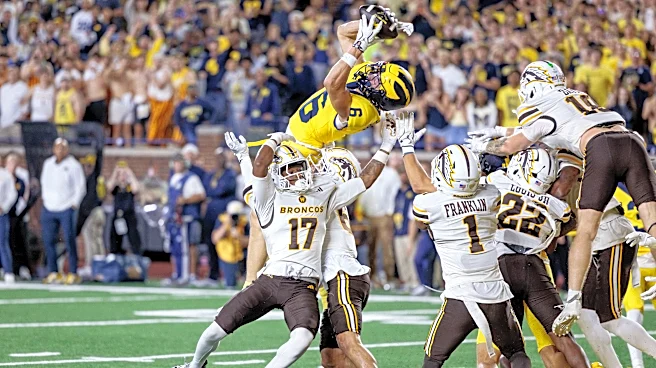
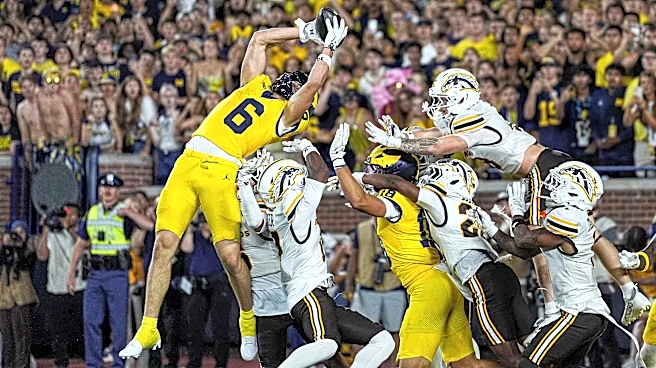
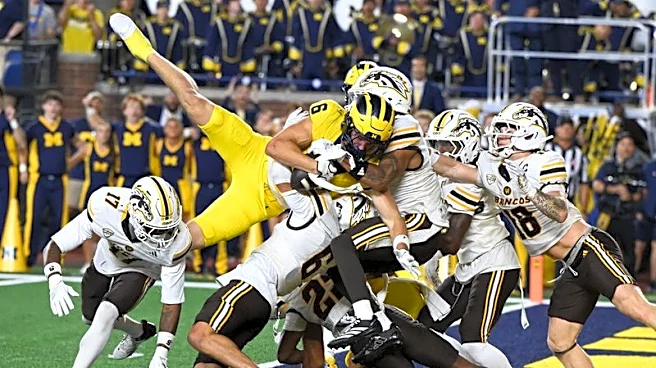
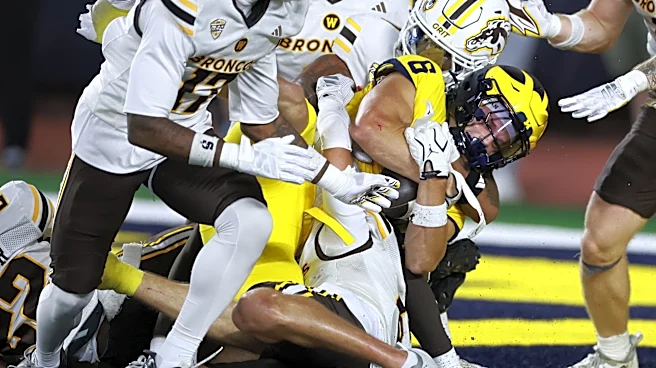
The NCAA has affirmed Michigan's 13-12 football victory over Western Michigan, rejecting an appeal from the Mid-American Conference (MAC) to overturn the result. The controversy stems from a game on September 5, 2026, where Michigan secured the win with
a 'Hail Mary' pass after replay officials added one second back to the clock. The MAC argued that established replay protocol was not properly followed, specifically stating that the television program feed's clock, which showed no time remaining, should have been used as the sole source for the replay decision. Instead, the Big Ten replay crew reportedly relied on a clock embedded within its replay system. The NCAA stated that its playing rules do not provide a process for overturning the outcome of a completed game, and neither the NCAA nor the Football Bowl Subdivision Oversight Committee has the authority to change the result. Rules 1-1-3 and 5-2-9 were cited, which state that the team with the larger score at the end of the game is the winner, and no rule decision may be changed after the game has ended or the ball has been next legally snapped or free-kicked.
Why It's Important?
This decision by the NCAA underscores the finality of game outcomes once declared, even in the face of significant procedural disputes. It highlights a critical aspect of sports governance, where the integrity of the rules and the authority of officiating bodies are paramount. For college football, this incident raises questions about the consistency and transparency of replay protocols across different conferences and the potential for discrepancies between broadcast clocks and official game clocks. The MAC's appeal, despite its rejection, signals a push for greater accountability in officiating and replay review processes. The outcome impacts team rankings and perceptions, as Michigan, initially ranked No. 16, dropped out of the AP Top 25 despite the win, becoming the highest-ranked team to do so after a victory since 1989. Western Michigan, conversely, saw a boost in recognition, with some voters including them in the Top 25, indicating a moral victory despite the official loss.
What's Next?
Michigan will now focus on its upcoming game against No. 10 Oklahoma, aiming to make a statement and potentially re-enter the AP Top 25. The Wolverines are also facing questions regarding their quarterback, Bryce Underwood, following the season opener. For the MAC, while their appeal was denied, the conference may continue to advocate for clearer and more standardized replay protocols across college football. The incident could prompt further discussions among conferences and the NCAA regarding the synchronization of game clocks and broadcast feeds, and the specific criteria for replay reviews, especially in critical end-of-game situations. The controversy is likely to remain a talking point, influencing how future close games with replay decisions are perceived and handled by teams, fans, and media.
Beyond the Headlines
The controversy extends beyond the immediate game result, touching upon the broader ethical considerations of sportsmanship and fair play in collegiate athletics. The MAC's emphasis on 'sportsmanship and respect for the game' highlights a tension between strict adherence to rules and the spirit of competition. The differing interpretations of replay protocol—between the Big Ten's internal system and the broadcast feed—expose a technological and procedural gap that could undermine public trust in officiating. This incident could serve as a catalyst for a comprehensive review of replay systems and their implementation across college football, potentially leading to more unified and transparent standards. It also brings to light the psychological impact on players and coaches, as Western Michigan's initial acceptance of the outcome shifted to an appeal, reflecting the deep-seated desire for perceived justice in high-stakes athletic contests.