

What's Happening?
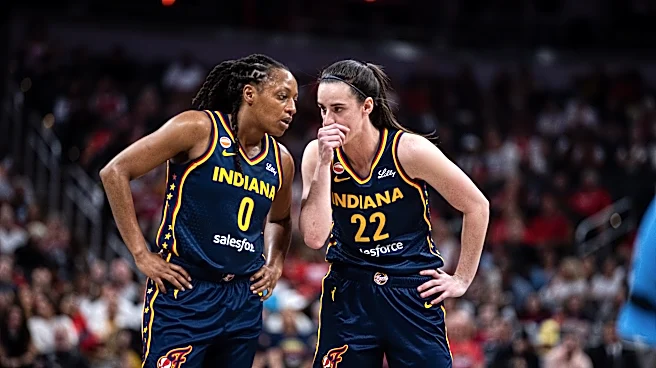
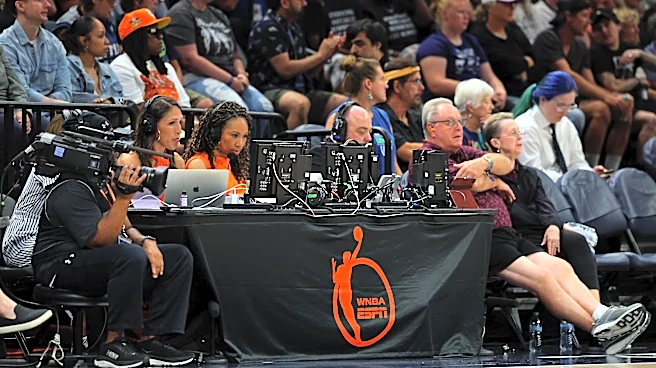
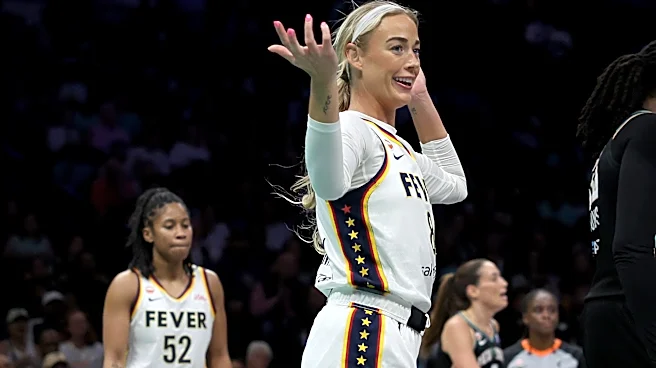
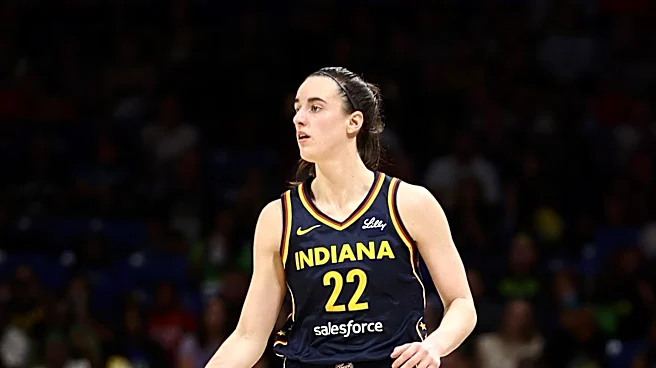
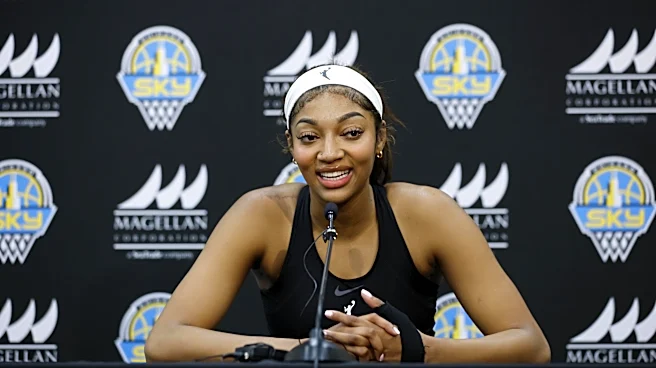
A recent commentary argues that WNBA media should stop telling fans to 'stick to basketball' and instead embrace the drama and rivalries that significantly boost viewership. The article highlights that high-profile matchups, such as those involving Caitlin
Clark and Angel Reese, have generated record-breaking audiences. For instance, a game between Clark's Fever and Reese's Dream drew 2.6 million viewers, ESPN's largest WNBA audience ever. Game 7 of the WNBA Finals reportedly garnered 3.3 million viewers. The author contends that while some media personalities advocate for focusing solely on the 'beautiful basketball,' the drama, rivalries, and player personalities are what truly captivate a wider audience. Examples cited include Angel Reese's on-court taunts and the ongoing narrative surrounding player performances and controversies, which have historically driven significant fan interest and viewership in other sports.
Why It's Important?
This perspective challenges the traditional media approach to covering women's sports, suggesting that a more dynamic and narrative-driven strategy could unlock greater commercial success and broader appeal for the WNBA. By acknowledging and amplifying player rivalries and compelling storylines, the league could attract a more diverse audience, including those drawn to the entertainment aspect of sports beyond pure athletic performance. This approach could lead to increased viewership, higher ratings, and greater sponsorship opportunities, ultimately benefiting the league's financial health and overall growth. The argument implies that suppressing these dramatic elements might inadvertently limit the WNBA's potential to compete for mainstream attention against other sports leagues that openly embrace and market their rivalries and player personalities.
What's Next?
If WNBA media outlets and the league itself adopt a strategy that embraces player rivalries and dramatic narratives, it could lead to a shift in how games are promoted and covered. This might involve more emphasis on pre-game hype surrounding individual matchups, post-game analysis that delves into player interactions, and content that highlights the personalities and competitive spirit of the athletes. Such a shift could further boost viewership and fan engagement, potentially attracting new demographics to the sport. However, it could also spark debate within the sports media community about the balance between focusing on athletic prowess and leveraging entertainment value. The league might also need to navigate how to manage these narratives to ensure they remain constructive and do not overshadow the integrity of the game.
Beyond the Headlines
The debate over how to cover the WNBA touches upon broader discussions about the commercialization of sports and the role of media in shaping public perception. By suggesting that 'drama sells,' the commentary implicitly critiques a purist view of sports coverage that might inadvertently limit audience reach. This approach aligns with trends seen in other major sports leagues, where player narratives, rivalries, and even controversies are often central to marketing and fan engagement. Embracing these elements could help the WNBA tap into a larger entertainment market, but it also raises questions about the potential for sensationalism and whether such a focus might detract from the athletic achievements themselves. Ultimately, it highlights the ongoing tension between sports as pure competition and sports as a form of entertainment, and how media strategies can influence this balance.