
What's Happening?
The 2026 World Cup has set a new record for the most own goals in the tournament's history, surpassing the previous record of 12 own goals set during the 2018 World Cup in Russia. This milestone was reached
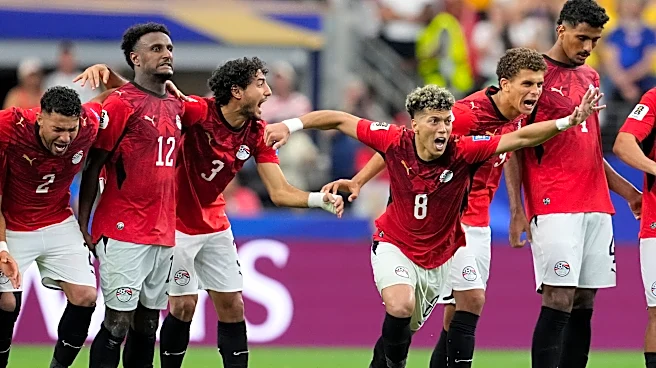
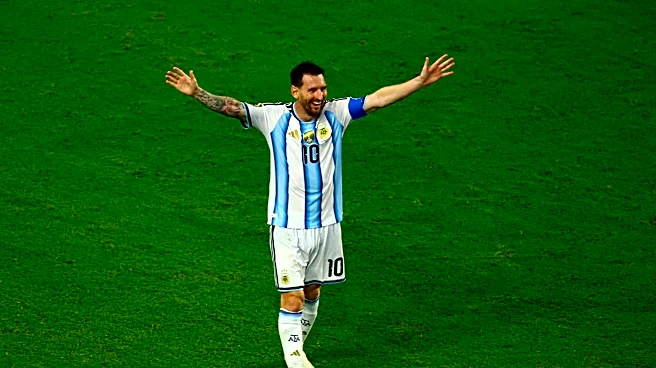
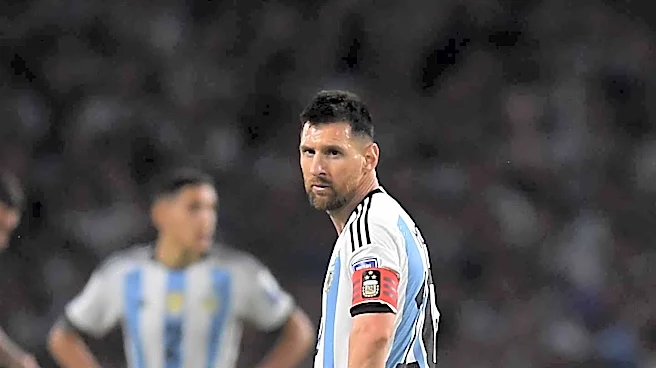
during Egypt's knockout victory over Australia, where defender Mohamed Hany scored an own goal. Later, Cape Verde's Diney Borges added another own goal in a match against Argentina, bringing the total to 14. With 16 matches still to be played, the record could increase further. Mohamed Hany also made history by becoming the first player to score two own goals in a single World Cup tournament.
Why It's Important?
The increase in own goals at the 2026 World Cup highlights potential defensive vulnerabilities and strategic challenges faced by teams. This trend may prompt teams to reassess their defensive strategies and player positioning to mitigate such errors. The record number of own goals could influence coaching tactics and player training, emphasizing the importance of defensive coordination and communication. Additionally, this development may impact the perception of team performances and individual player reputations, affecting future selections and transfers.
What's Next?
As the tournament progresses, teams may implement changes to their defensive strategies to prevent further own goals. Coaches might focus on enhancing defensive drills and player awareness to avoid similar mistakes. The remaining matches will be closely watched to see if the record for own goals continues to rise, potentially leading to further analysis and discussion among football analysts and fans. The outcomes of these matches could also influence future World Cup preparations and strategies.