



What's Happening?
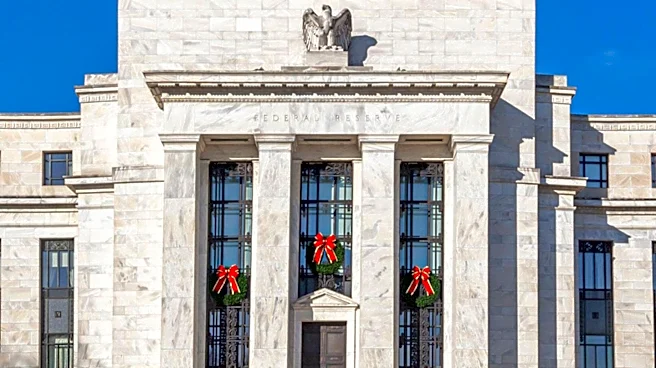
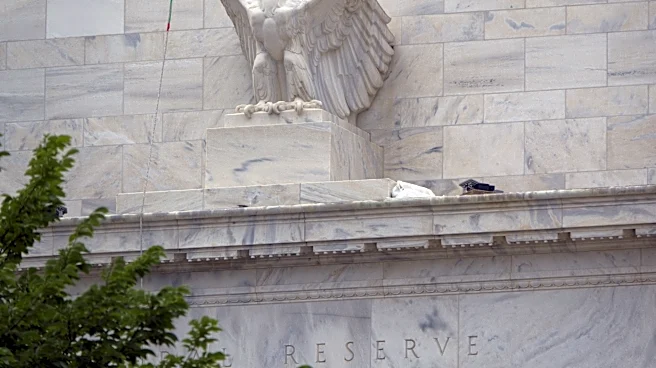
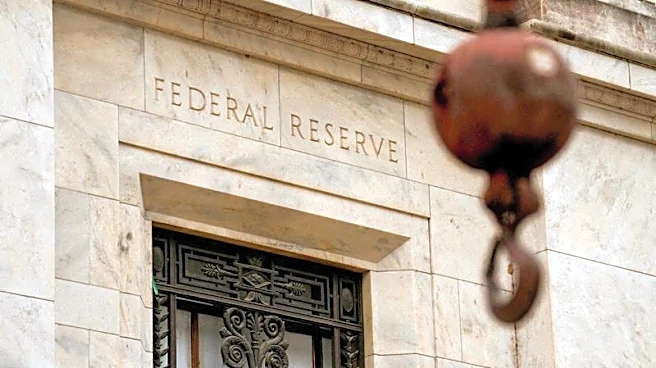
A recent Federal Reserve analysis indicates significant changes in the inflation process since the pandemic, specifically an increase in the persistence of core inflation and a stronger pass-through from oil prices to core inflation. The study, which
utilized panel data from five major advanced economies including the U.S., found that pre-pandemic, the response of core inflation to oil prices was minimal and statistically insignificant. However, post-pandemic, this pass-through has become statistically significant, meaning oil price shocks now transmit more strongly to core inflation. Additionally, core inflation has become substantially more inertial, with its persistence roughly doubling from 0.35 pre-pandemic to about 0.65 from Q1 2021 onward. These findings suggest that oil price shocks now transmit to core inflation both more strongly and more durably than before, posing greater challenges for monetary policy.
Why It's Important?
These findings from the Federal Reserve have significant implications for U.S. economic policy and stability. The increased persistence of core inflation means that price increases are likely to be more durable, making it harder for the Federal Reserve to bring inflation back to its 2% target. The stronger pass-through from oil prices to core inflation implies that energy price fluctuations will have a more pronounced and lasting impact on the broader economy, affecting consumer purchasing power and business costs. This could lead to more volatile inflation cycles and necessitate more aggressive monetary policy responses to supply shocks. For consumers, this means that higher energy costs are more likely to translate into higher prices for a wider range of goods and services. For businesses, it implies greater uncertainty in input costs and pricing strategies. The study suggests that if these post-pandemic dynamics continue, core inflation could climb to nearly 2.8% by mid-2027, significantly above pre-pandemic projections, creating a more challenging environment for economic management.
What's Next?
The Federal Reserve's analysis suggests that if the higher persistence of core inflation and stronger oil-price pass-through continue, monetary policy may face increased challenges. This could lead to a more hawkish stance from the Federal Reserve, potentially involving further interest rate hikes or a longer period of restrictive monetary policy to combat persistent inflationary pressures. Policymakers will likely closely monitor oil price movements and their transmission to core inflation, as these factors could significantly influence future economic forecasts and policy decisions. Businesses and consumers should anticipate that energy price volatility may have a more direct and sustained impact on overall price levels. The study also highlights the uncertainty surrounding how long these post-pandemic changes in the inflation process will endure, suggesting that ongoing vigilance and adaptability in economic strategies will be crucial for all stakeholders.
Beyond the Headlines
The Federal Reserve's research delves into a fundamental shift in how economic shocks, particularly from oil prices, propagate through the economy. This change suggests a potential alteration in the underlying structure of price-setting behavior or market dynamics. The pre-pandemic era saw oil price shocks as largely transitory for core inflation, but the post-pandemic environment indicates a more integrated and persistent effect. This could reflect changes in global supply chains, labor market dynamics, or even inflation expectations becoming more entrenched. The ethical dimension arises in how monetary policy might need to balance controlling inflation with potential impacts on economic growth and employment, especially if supply-side shocks become more inflationary. Legally, this could influence discussions around energy policy and strategic reserves. Culturally, sustained higher inflation could alter consumer saving and spending habits, potentially leading to a more cautious economic outlook among the populace. This shift represents a significant challenge to traditional macroeconomic models and policy frameworks.