
What's Happening?
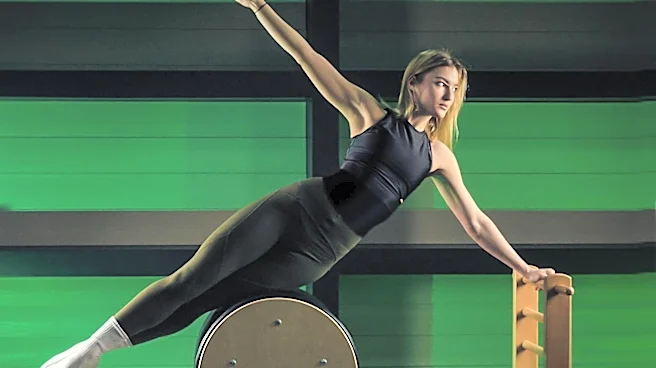
Reformer Pilates, a method utilizing a specialized machine with a sliding carriage, springs, and a footbar, provides a comprehensive full-body workout. This exercise modality challenges various muscle groups including the legs, hips, core, back, shoulders,
chest, and arms through controlled spring resistance. The reformer's design allows for adjustable resistance and support, making it adaptable for different fitness levels and training goals. Springs can either increase the challenge or assist movements, aiding in teaching proper movement patterns before progressing to less supported variations. Key exercises often include lower-body presses, feet-in-straps work, upper-body pulling, and trunk stabilization, all designed to enhance core and pelvic control by requiring the trunk to resist unwanted spinal or pelvic movement. While it can build muscle and muscular endurance, especially for those new to resistance training, continuous muscle growth necessitates progressively challenging exercises. The choice between reformer and mat Pilates depends on individual goals, access, experience, and preferences, as both offer distinct benefits.
Why It's Important?
Reformer Pilates offers a significant low-impact fitness solution that can benefit a wide range of individuals, from beginners to advanced practitioners. Its adjustable resistance and supportive features make it particularly valuable for rehabilitation and for those seeking to improve strength, flexibility, and balance without high-impact stress on joints. The emphasis on core and pelvic control is crucial for overall body stability and can help alleviate chronic back pain, a common issue in the U.S. population. For the fitness industry, the growing popularity of reformer Pilates highlights a demand for specialized, equipment-based workouts that offer personalized progression. This trend influences gym and studio offerings, as well as the market for home fitness equipment, with many companies now producing compact, foldable reformers for at-home use. This accessibility allows more people to integrate effective strength training into their routines, contributing to improved public health outcomes by promoting consistent physical activity.
What's Next?
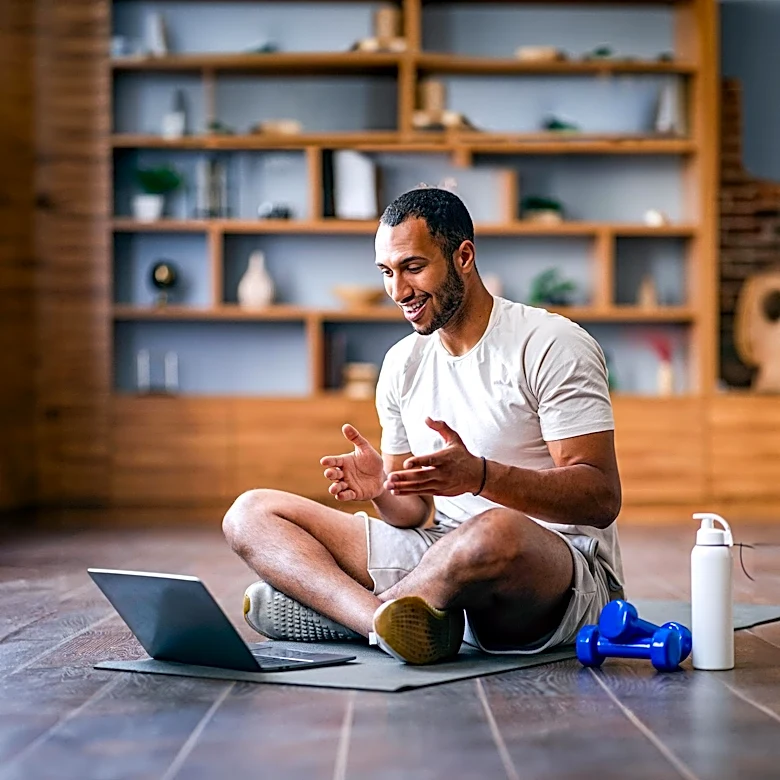
The continued evolution of Reformer Pilates is likely to see further integration into mainstream fitness and wellness programs. As demand for personalized and low-impact exercise grows, more studios may offer specialized classes, and home reformer sales are expected to increase, driven by innovations in compact and foldable designs. Instructors will continue to develop advanced techniques and modifications to cater to diverse populations, including those with specific physical limitations or rehabilitation needs. Research into the efficacy of Reformer Pilates for various health conditions, such as chronic pain management and athletic performance enhancement, will also likely expand, providing more evidence-based guidelines for its application. Furthermore, the development of digital platforms offering guided reformer workouts could make this form of exercise even more accessible, allowing individuals to benefit from professional instruction in their homes.
Beyond the Headlines
Beyond its immediate physical benefits, Reformer Pilates embodies a broader shift in fitness culture towards mindful movement and holistic well-being. The method's focus on precision, control, and breath integration encourages a deeper connection between mind and body, fostering improved body awareness and mental clarity. This contrasts with high-intensity, often competitive, workout environments, offering a more introspective approach to physical health. The investment in a reformer, whether at a studio or for home use, also reflects a commitment to long-term health and preventative care, moving beyond quick fixes to sustainable lifestyle changes. Ethically, the emphasis on proper form and individualized progression, often guided by certified instructors, promotes safer exercise practices and reduces the risk of injury, setting a higher standard for fitness instruction. This mindful approach to exercise can have profound cultural implications, encouraging a more balanced and sustainable relationship with physical activity.