
What's Happening?
A new Netflix documentary titled 'Freefall: A Reckoning for Boeing,' directed by Oscar-nominated filmmaker Rory Kennedy, is bringing renewed attention to whistleblower allegations against Boeing. The film focuses on former Boeing employees, including
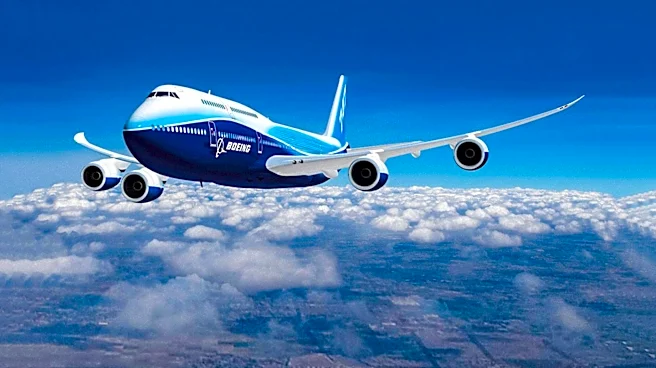
quality manager John Barnett, who raised concerns about declining safety and quality standards within the company. Barnett, a prominent whistleblower, died by suicide in 2024 while involved in a legal case against Boeing. The documentary features interviews with Barnett and other former quality workers who describe incidents of inadequate safety and quality controls and alleged retaliation for voicing their concerns. This release comes as Boeing is actively increasing its production, reporting stronger aircraft deliveries, a growing backlog, and progress towards higher output. Boeing has opened a new 737 MAX production line in Everett, Washington, aiming to increase production to 52 airplanes a month from the current 47. The company also recently regained responsibility for final safety checks on its 737 MAX and 787 aircraft from the Federal Aviation Administration (FAA).
Why It's Important?
The documentary's release is significant as it re-ignites public and regulatory scrutiny of Boeing's safety culture and manufacturing practices at a time when the company is striving to rebuild its reputation and ramp up production. The allegations of compromised safety and quality, particularly those from whistleblowers like John Barnett, directly challenge Boeing's efforts to assure the public and regulators of its commitment to safety. The timing is critical, given Boeing's recent regaining of FAA authority for safety checks and its push to increase output, especially for the 737 MAX family, which was involved in two fatal crashes. If the documentary's claims resonate widely, it could lead to renewed calls for stricter oversight from the FAA and other international aviation authorities, potentially impacting Boeing's production schedules, certification processes for new aircraft like the 737-10, and its financial performance. The public's perception of air travel safety, particularly concerning Boeing aircraft, could also be influenced, affecting airline orders and passenger confidence.
What's Next?
The Netflix documentary is likely to prompt renewed public discussion and media attention on Boeing's past and current safety protocols. This could lead to increased pressure on regulatory bodies like the FAA to conduct further investigations or enhance oversight of Boeing's manufacturing processes. Airlines that have placed orders for Boeing aircraft, particularly the 737 MAX variants, might face questions from customers and could potentially re-evaluate their commitments if public confidence erodes. Boeing will likely continue its efforts to publicly address safety concerns and demonstrate its commitment to quality, possibly through increased transparency or new safety initiatives. The company's financial performance and stock value could be sensitive to the public and regulatory reactions to the documentary. Furthermore, the film might encourage other current or former Boeing employees to come forward with additional whistleblower claims, potentially leading to new legal challenges or investigations.
Beyond the Headlines
Beyond the immediate concerns of aircraft safety and corporate accountability, 'Freefall' touches upon the broader ethical implications of corporate culture prioritizing production and profit over safety. The documentary highlights the challenges faced by whistleblowers who risk their careers and personal well-being to expose potential dangers within large corporations. This raises questions about the effectiveness of internal reporting mechanisms and the protections afforded to those who speak out. The narrative also explores the complex relationship between industry and regulators, and whether oversight bodies are sufficiently independent and empowered to enforce safety standards without undue influence. The film could contribute to a larger societal conversation about corporate responsibility, the balance between economic growth and public welfare, and the mechanisms necessary to ensure that lessons from past tragedies, such as the 737 MAX crashes, are truly learned and implemented across industries.