






What's Happening?
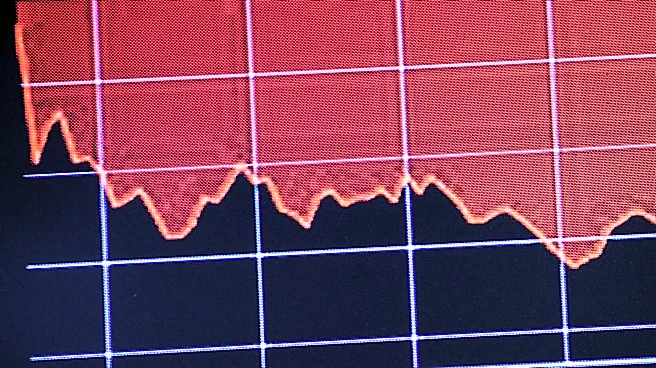
The U.S. Department of Agriculture (USDA) has reported a notable decline in boxed beef cutout values, indicating a softening in wholesale beef prices. This trend reflects a shift in market dynamics, where the price of primal cuts of beef, such as chuck,
round, loin, and rib, has decreased. The cutout value is a critical indicator for the beef industry, representing the estimated value of a beef carcass based on the wholesale prices of its individual cuts. This recent downturn suggests a potential oversupply in the market or a decrease in demand from retailers and food service providers, impacting the profitability of beef packers and producers.
Why It's Important?
The decrease in boxed beef cutout values has significant implications for the U.S. beef industry, affecting cattle ranchers, feedlots, and meatpackers. Lower cutout values translate to reduced revenue for meatpackers, which can then trickle down to lower prices paid to cattle producers. This could squeeze profit margins for farmers already facing rising input costs, such as feed and fuel. Consumers might eventually see lower beef prices at the grocery store, but the immediate impact is felt within the supply chain. The beef industry is a major component of the U.S. agricultural economy, and sustained declines in cutout values could lead to financial instability for many businesses and individuals dependent on this sector.
What's Next?
Industry analysts will closely monitor consumer demand and cattle supplies to predict future trends in boxed beef cutout values. If demand remains weak or cattle supplies increase, prices could continue to decline. Conversely, a resurgence in consumer spending or a reduction in cattle availability could help stabilize or increase prices. Meatpackers may adjust their production schedules in response to market conditions, potentially affecting the availability of certain cuts. Cattle producers might consider adjusting their herd sizes or marketing strategies to mitigate the impact of lower prices. The USDA will continue to provide weekly reports, which will be crucial for stakeholders to make informed decisions.
Beyond the Headlines
The fluctuations in boxed beef cutout values are not just economic indicators; they also reflect broader trends in food consumption and agricultural policy. Factors such as inflation, consumer preferences for alternative proteins, and global trade dynamics can all influence the demand for beef. Environmental concerns and sustainability initiatives within the agricultural sector could also play a role in shaping future production and pricing. The reliance on a few large meatpacking companies in the U.S. also means that market shifts can have concentrated impacts, raising questions about market competition and fairness for smaller producers. This situation highlights the complex interplay of supply, demand, and external factors in a vital agricultural commodity market.