






What's Happening?
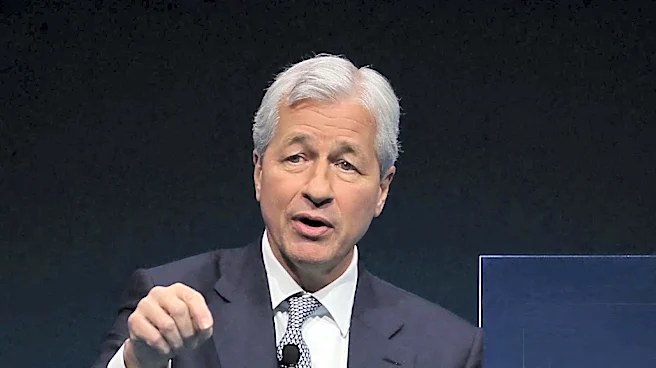
JPMorgan Chase CEO Jamie Dimon has indicated that a recent increase in the UK bank surcharge by the Labour government could lead to a reassessment of the bank's long-term investment commitments in Britain. Specifically, Dimon linked the tax hike to a potential
review of the bank's plans for its new £3 billion headquarters in Canary Wharf, London. This project represents one of JPMorgan Chase's most significant real estate investments in Europe. The bank's management is already managing a higher expense outlook for 2026, estimated at around US$107.5 billion, partly due to increased spending on technology and artificial intelligence. The additional levy on UK profits introduces another cost factor, prompting the firm to evaluate its long-dated projects in the region. JPMorgan Chase operates a global financial services franchise across various regions, including the US and Europe, making shifts in UK tax policy relevant to its extensive network of trading, payments, and corporate lending operations.
Why It's Important?
This development is significant as it highlights how tax policy changes in major financial hubs can directly influence the investment decisions of global financial institutions like JPMorgan Chase. A potential scaling back or delay of the Canary Wharf headquarters project could signal broader implications for foreign investment in the UK, especially within the financial sector. For JPMorgan Chase, the situation underscores the challenge of balancing cost management with long-term growth strategies, particularly when facing increased regulatory and tax burdens in key markets. The bank's response to the UK tax policy will be closely watched by investors and other multinational corporations, as it could set a precedent for how large firms react to similar fiscal pressures globally. The decision also impacts the UK's standing as a global financial center, as major investment withdrawals could affect job creation and economic activity.
What's Next?
The immediate next steps involve monitoring how Jamie Dimon and JPMorgan Chase's finance team articulate their regional capital and real estate plans in upcoming financial outlooks and expense guidance cycles. Investors and analysts will be particularly attentive to any quantified cuts, delays, or reallocations in UK spending, as these actions will directly reflect how tax policy is influencing the bank's long-term growth strategy. The bank's management will need to decide how far it is willing to adjust or postpone significant projects when tax and regulatory costs escalate in an important market. This situation could also prompt other financial institutions operating in the UK to re-evaluate their investment strategies, potentially leading to broader discussions about the competitiveness of the UK's tax environment for global businesses.
Beyond the Headlines
Beyond the immediate financial implications, this situation touches upon the broader dynamic between national governments and multinational corporations regarding taxation and investment. It highlights the ongoing tension where governments seek to increase revenue through taxation, while corporations evaluate the profitability and feasibility of their operations in response to such changes. This scenario could trigger a wider debate on the optimal tax policies for attracting and retaining global businesses, especially in sectors as mobile as finance. The decision by JPMorgan Chase could also influence future policy discussions in other countries considering similar tax increases on financial institutions, as they observe the potential impact on investment and economic activity. It underscores the complex interplay between fiscal policy, corporate strategy, and national economic competitiveness.