






What's Happening?
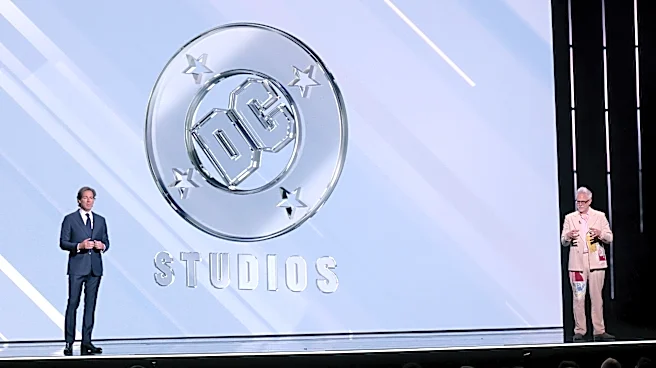
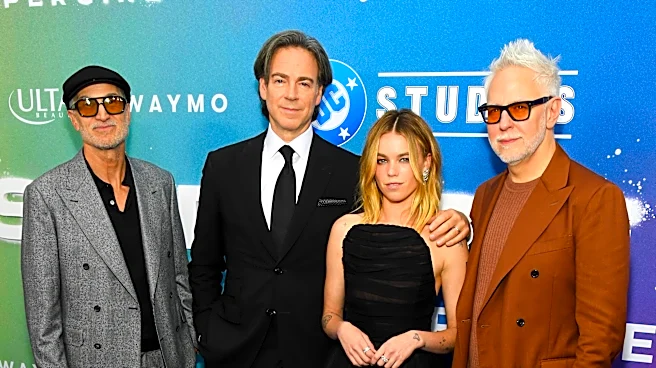
DC Studios, now under the leadership of former MCU producer Jeremy Latcham following the departure of James Gunn and Peter Safran, is reportedly shifting towards a more family-friendly approach for its cinematic universe. This change comes after Warner
Bros. Discovery was sold to SkyDance. Latcham has indicated a desire to move the DCU in a direction that emphasizes wholesome heroes. In response to this new directive, the Justice Society of America (JSA) is being highlighted as a prime candidate for future DC Studios projects. The JSA, recognized as the first superteam in comics, is characterized by its strong emphasis on family, legacy, and a traditional no-kill rule, making them suitable for a family-oriented narrative. The team's history includes training younger heroes and maintaining strong familial bonds among its members, which aligns with the new creative vision for the DCU.
Why It's Important?
This potential shift in DC Studios' creative direction could significantly impact the superhero film landscape, moving away from the more mature themes sometimes explored in previous DC Extended Universe (DCEU) films. By focusing on the Justice Society of America, DC Studios could tap into a rich history of characters known for their traditional values and intergenerational dynamics. This approach might appeal to a broader audience, including families, potentially increasing box office revenue and merchandising opportunities. For fans, it could signal a return to more classic superhero storytelling, emphasizing heroism, mentorship, and moral integrity. The decision to prioritize family-friendly content also reflects broader industry trends and audience preferences, as studios often seek to maximize appeal across various demographics. This move could also differentiate DC from competitors by offering a distinct tone and thematic focus.
What's Next?
If DC Studios proceeds with a family-friendly focus centered on the Justice Society of America, upcoming film and television projects could feature storylines set in various historical periods, such as World War II, showcasing the team's origins and battles against historical adversaries. This could allow for period superhero pieces, offering a fresh take on the genre. Future narratives might also explore the JSA's role in mentoring the next generation of heroes, emphasizing themes of legacy and responsibility. The studio will likely begin developing scripts and casting for these potential projects, which could include both established Golden Age characters and their legacy counterparts. The success of these initial projects will likely determine the long-term direction of the DCU under its new leadership and its commitment to a family-friendly brand.
Beyond the Headlines
The strategic pivot towards family-friendly content with the Justice Society of America could have deeper implications for the superhero genre as a whole. It might signal a broader industry trend where studios prioritize universal appeal and positive messaging over darker, more complex narratives. This shift could influence how other comic book adaptations are developed, potentially leading to a resurgence of more traditional heroic archetypes. Furthermore, by emphasizing the JSA's 'old school American values' and its diverse membership, DC Studios could navigate contemporary cultural discussions while maintaining a broad appeal. This approach could also serve as a way to rebuild audience trust and engagement after previous DCU installments received mixed reactions, by offering a clear, consistent, and wholesome brand identity.